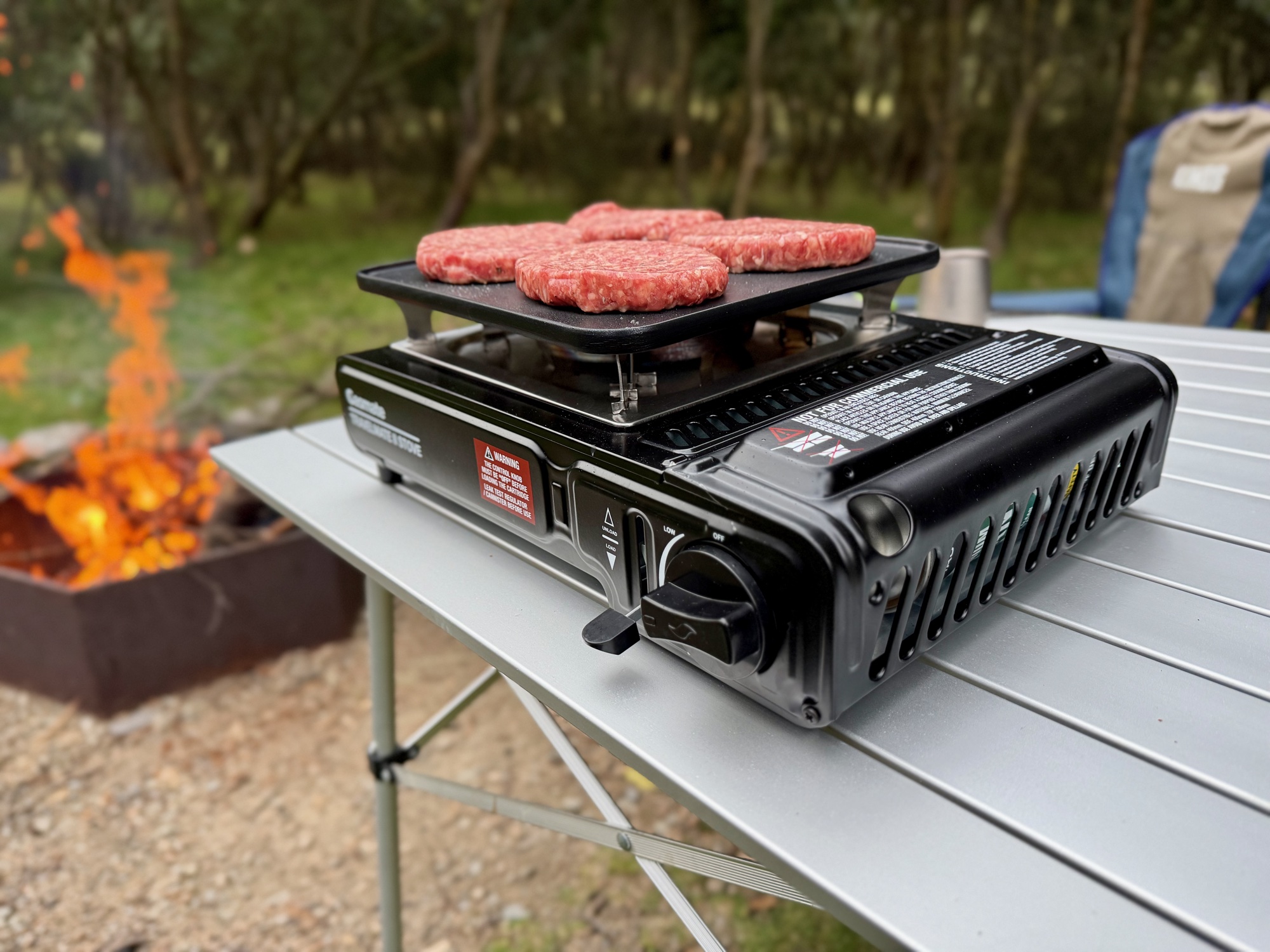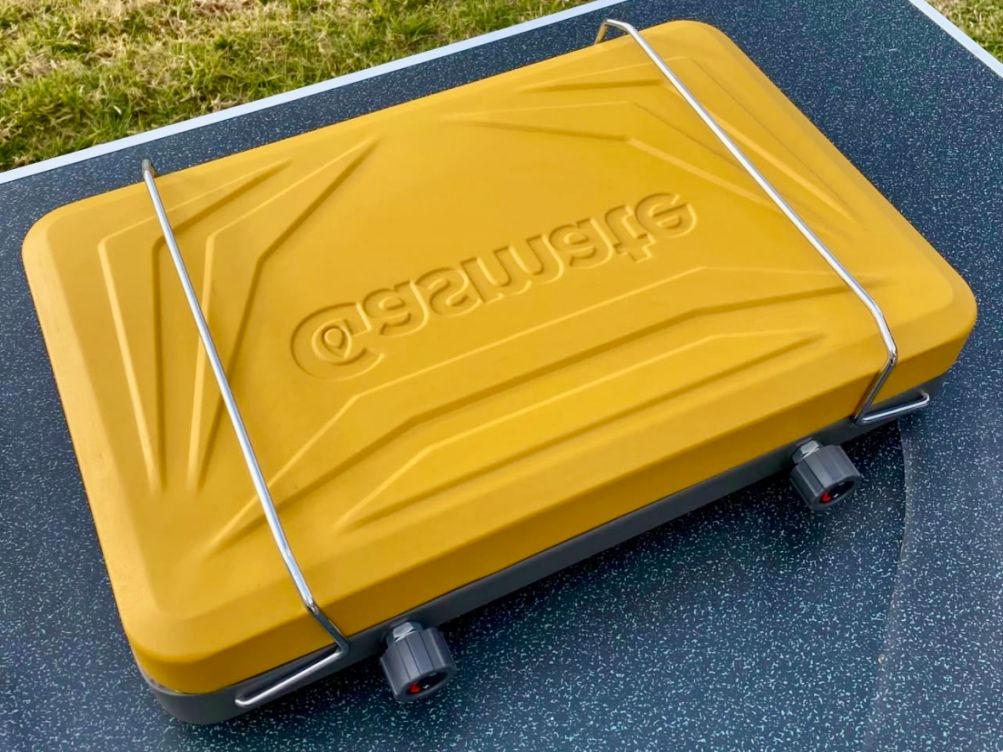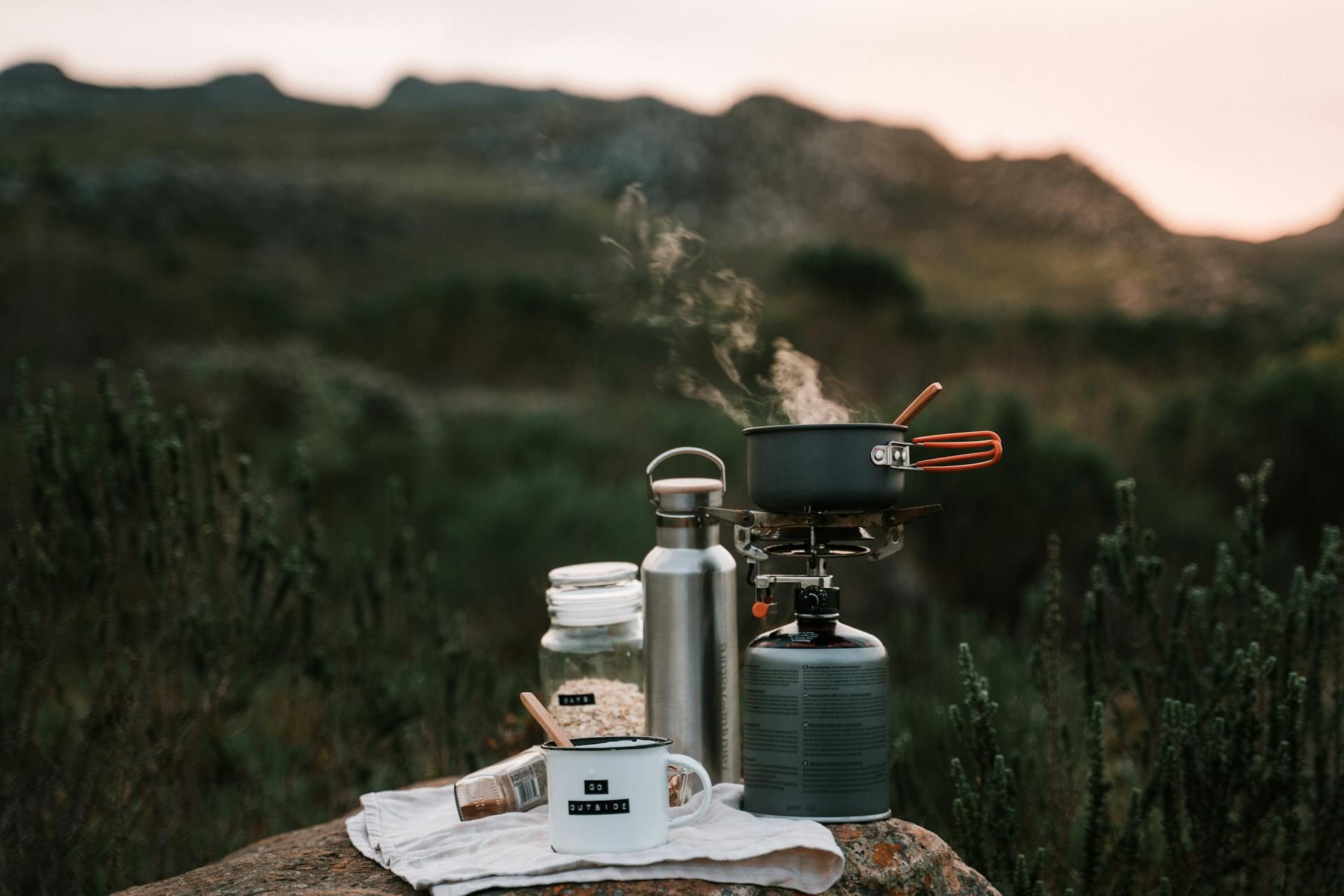
Standing over a camp stove waiting for the morning coffee water to boil is a slow start to the day. How long that wait is comes down to a number on the stove’s box: the BTU output. Shops list it on every stove, and once you know what it means you can tell a stove that will boil a billy in minutes from one that will keep you waiting.
What is a BTU?
BTU stands for British Thermal Unit, a unit of heat energy. One BTU is roughly the heat needed to warm a cup of water by half a degree. On a camping stove the BTU figure is how much heat a burner can put out in an hour, so a higher number means a hotter burner and faster boiling, other things being equal.
A small hiking stove might be rated around 8,000 BTU. A big two-burner car camping stove can add up to 28,000 BTU or more across its burners. That difference shows up directly in how fast a pot of water boils or a steak sears.
How many BTU do you need?
There’s no single right number: it depends on how many people you cook for and what you cook. Use these three bands as a starting point, and check wind protection and flame control too (more on both below).
- Lightweight /
Solo < 8,000 BTU
Boiling water, simmering meals for one
- General Purpose
8,000–15,000 BTU
Cooking for small groups, versatile meals
- High-Output /
Groups 15,000+ BTU
Cooking for a family, frying, quick boiling
Matching BTU to your trip and cookingMatching BTU to your trip
Think about who you cook for. Boiling a small pot of water for a dehydrated meal on a solo trip needs very little, and a low-BTU stove is usually smaller and lighter too. Cooking for four or more is different: you want enough output on each burner that running two pots at once doesn’t slow both down.
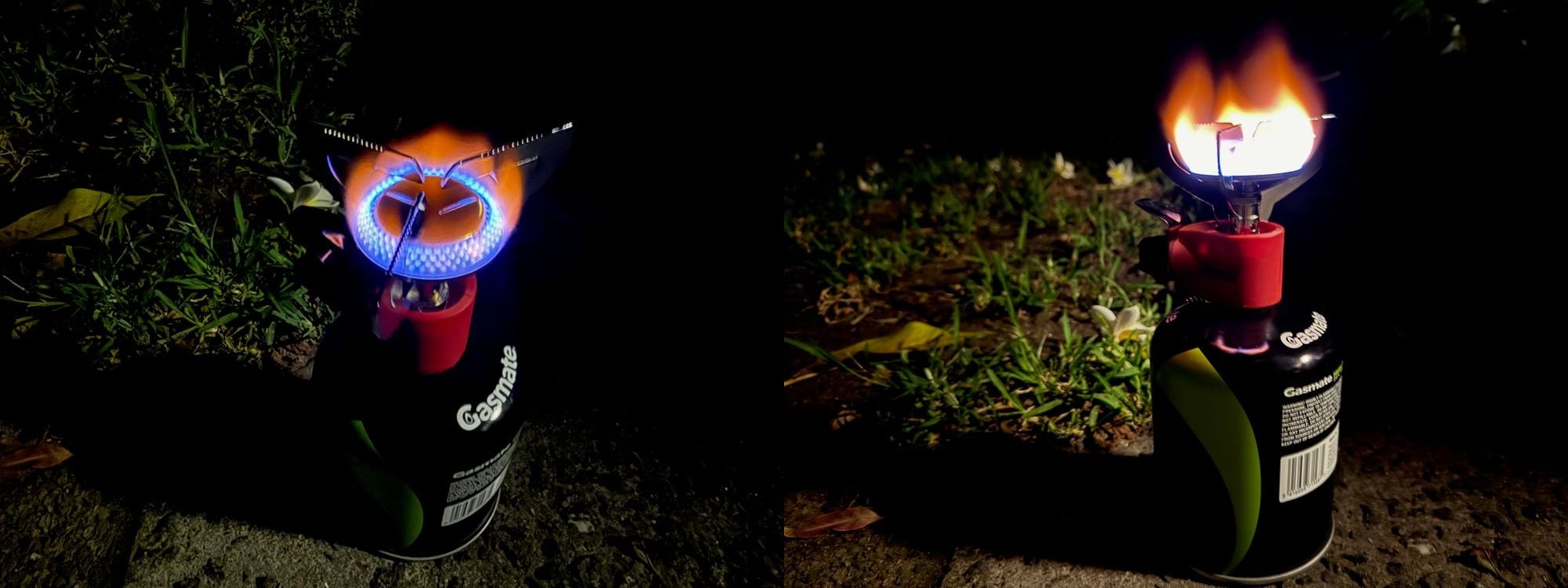
The kind of cooking matters as much as the number of people. Searing, stir-frying or getting a big pot to a rolling boil wants a high BTU. Simmering a sauce or warming soup wants good flame control more than raw power. A powerful burner that won’t turn down low burns food, so check the low end of the flame as well as the high end.
Wind, altitude and fuel use
BTU is the rated output in still air. Out at camp, wind pulls heat away from the pot, which is why a built-in windscreen (or a separate stove windshield) makes such a difference. At altitude the thinner air also drops a stove’s output. A well-designed stove with good pressure control can beat a higher-rated basic one in those conditions.
A hotter burner also uses more gas. On a long trip where you carry every canister, that counts. The right stove is the one with enough power for your cooking without burning through fuel or taking up half the drawer, not simply the biggest number.
Summary
BTU is the stove’s heat output, and a higher number means faster boiling and cooking. For solo trips and simple meals a low-BTU stove is fine and saves weight; for family cooking a higher output makes life easier. But wind, altitude, flame control and fuel use decide how a stove performs at camp as much as the rating does, so read the number alongside those.
Do's
- Do check the BTU rating
- Do match BTU to your group size
- Do consider the type of cooking
- Do look for wind protection
- Do remember fuel efficiency
Don'ts
- Don't assume higher is always better
- Don't forget about flame control
- Don't ignore the design
Recommended gear
The right stove is one part of a good camp kitchen. Our reviews of titanium camp cookware and compact camp tables cover the rest of the setup.