If your camp stove splutters on a cold morning, the stove is usually not the problem. The gas is. Camping fuel is mostly one of two gases, propane and butane, and although both are LPG they behave very differently once the temperature drops.
The difference decides what kind of bottle or canister the gas comes in, how heavy that is to carry, and whether the stove will light at all on a frosty morning. We mainly carry butane canisters, because most of our trips are in warmer weather, and that choice makes sense once you know what sets the two gases apart. Here is the difference and which one to take.
What is the difference between propane and butane gas?The difference
Both are hydrocarbon gases that turn to liquid under pressure, which is what makes a bottle of fuel small enough to carry. Both burn cleanly. The thing that separates them is the boiling point: the temperature at which the liquid turns back into gas that a stove can burn.
Propane boils at about -42°C, so it keeps turning into gas even in serious cold. That also means it has to be stored under high pressure, in thick-walled steel cylinders like the 9 kg barbecue bottle.
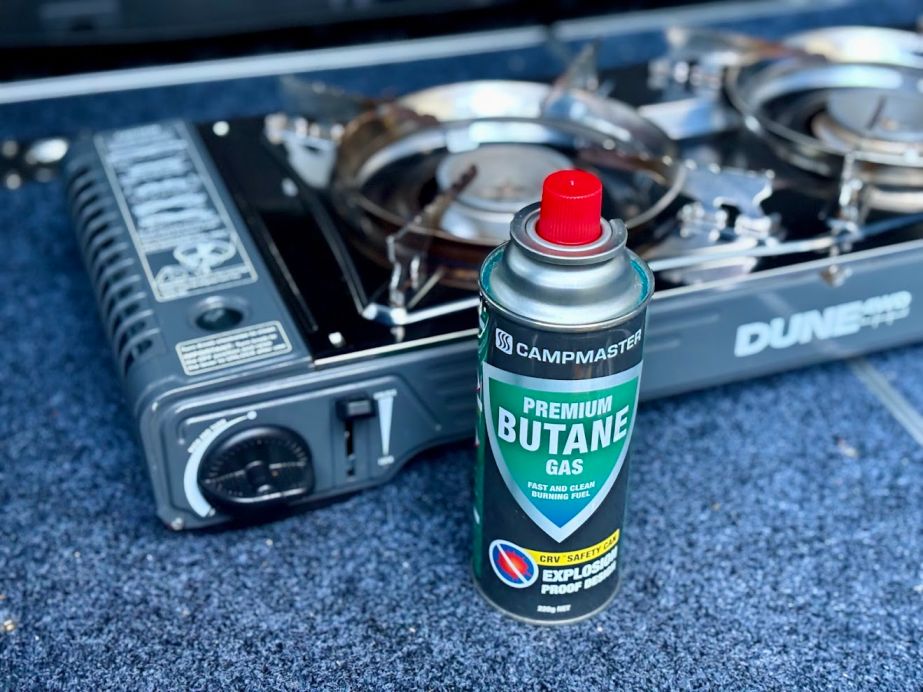
Butane boils at about 0°C. Below that it stays liquid and the stove gets nothing. Because it needs far less pressure, it comes in the light, thin-walled disposable canisters most portable stoves use.
When to choose butane vs propaneButane or propane
It comes down to where and when you camp. Winter trips, the high country, anywhere nights drop below 0°C: propane is the only gas that will reliably keep burning. It suits a bigger camp kitchen and longer touring, where carrying a 9 kg bottle is no trouble.
In summer and on the coast, where it stays above about 10°C, butane works well and costs less. That covers most of our trips, which is why butane canisters are what we normally carry. It holds slightly more energy per volume than propane, and the small canisters are easy to pack for a weekend or a hike. Many portable stoves only take the small butane cartridges anyway. If you want one fuel for all seasons, an iso-butane or propane/butane mix canister handles cold mornings much better than pure butane.
| Feature | Propane | Butane |
|---|---|---|
| Boiling Point | -42°C | 0°C |
| Cold Weather Performance | Excellent (Works in extreme cold) | Poor (Stops working below 0°C) |
| Storage Pressure | High (Requires heavy steel bottle) | Low (Uses light disposable canisters) |
| Energy Density | Lower per volume | Higher per volume (More efficient) |
At what temperature does butane stop working?Butane in the cold
Butane doesn’t freeze at camping temperatures: its freezing point is around -138°C. What stops a stove is the boiling point, about 0°C at sea level. Below that the butane in the canister stays liquid and doesn’t turn into gas, so the flame weakens and dies. In practice a pure butane canister starts to struggle a few degrees above zero, because drawing gas off cools the canister further, and the colder it gets the less it gives.
On a frosty morning you have three options: warm the canister (inside a jacket, never with a flame), use an iso-butane/propane mix canister, which keeps working well below zero, or carry propane. Once the day warms up a butane stove behaves normally again.
Safety: regulators, fittings and storageSafety
The fittings are the main thing to get right. Propane is stored at high pressure and needs a regulator made for propane cylinders. The connectors on propane and butane gear are deliberately different, so never force one onto the other.
Butane’s weakness is the cold. If a butane stove struggles on a chilly morning, warm the canister a little first: a few minutes inside your jacket is enough to get the liquid vaporising again. Never warm it with a flame. Whichever gas you use, store the bottles and canisters upright, away from heat and out of direct sun, so pressure can’t build up inside them.
Summary
The difference that matters is cold weather. Propane boils at -42°C and keeps working in winter; butane stops below 0°C, which makes it a warm-weather fuel in light disposable canisters.
Match the gas to the trip: a propane bottle for cold conditions and long trips, butane canisters for summer and short stops. For our mostly warm-weather travel that means butane, with a propane/butane mix canister in the drawer for the odd cold morning. Use the right regulator and fittings for each, store the gas upright and out of the heat, and your camp kitchen will light every morning.
Do's
- Do use propane below 0°C
- Do check the label for gas type
- Do use butane for summer trips
- Do warm butane canisters in the cold
- Do use a proper propane regulator
Don'ts
- Don't mix connectors or appliances
- Don't store cylinders in the sun
- Don't refill disposable canisters
Recommended gear
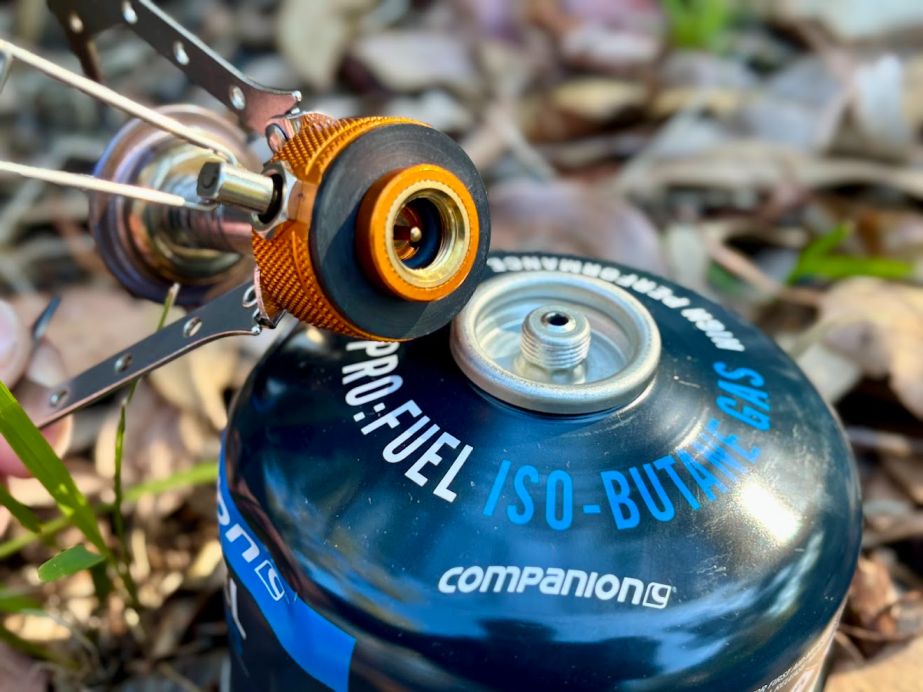
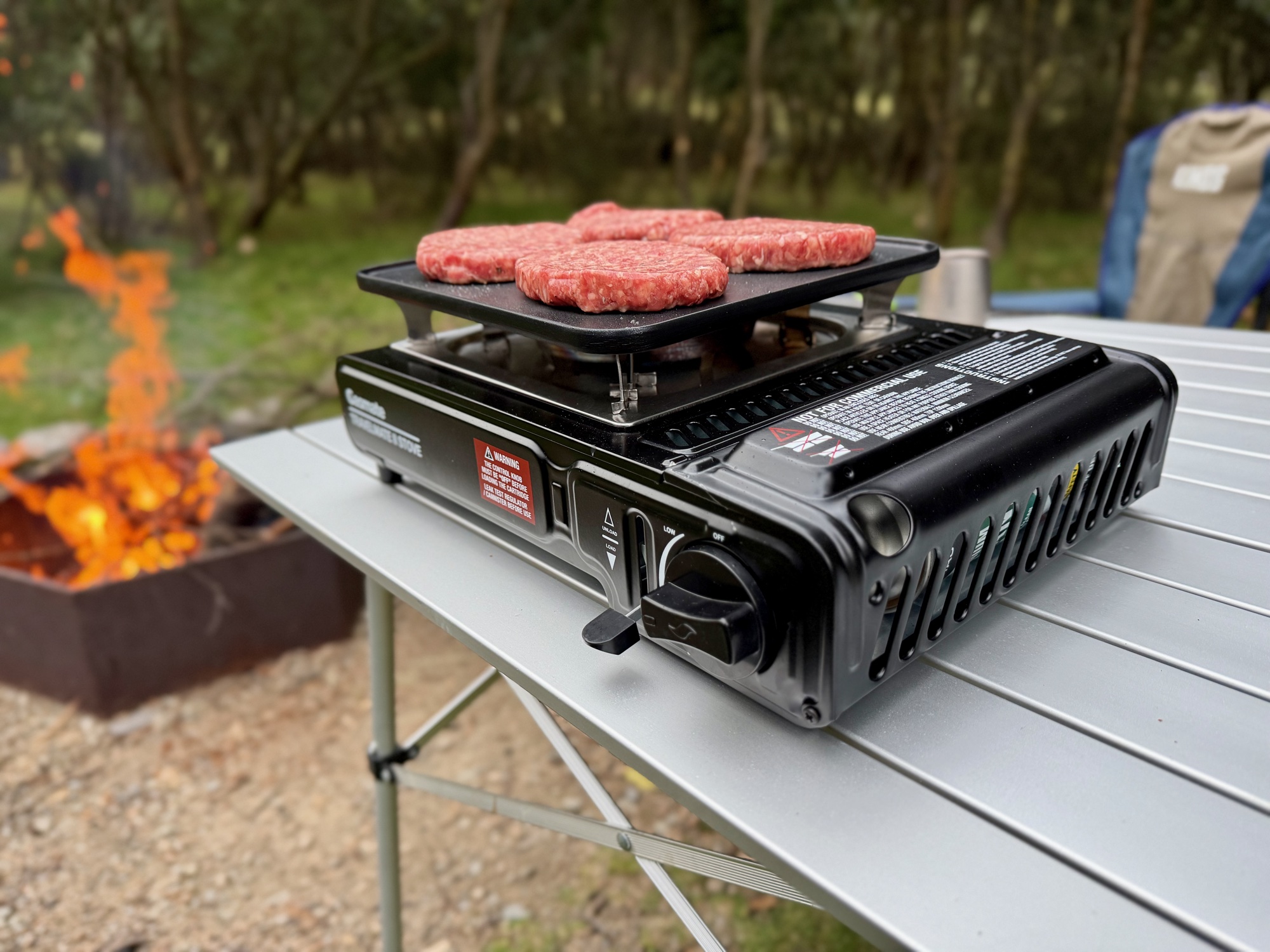
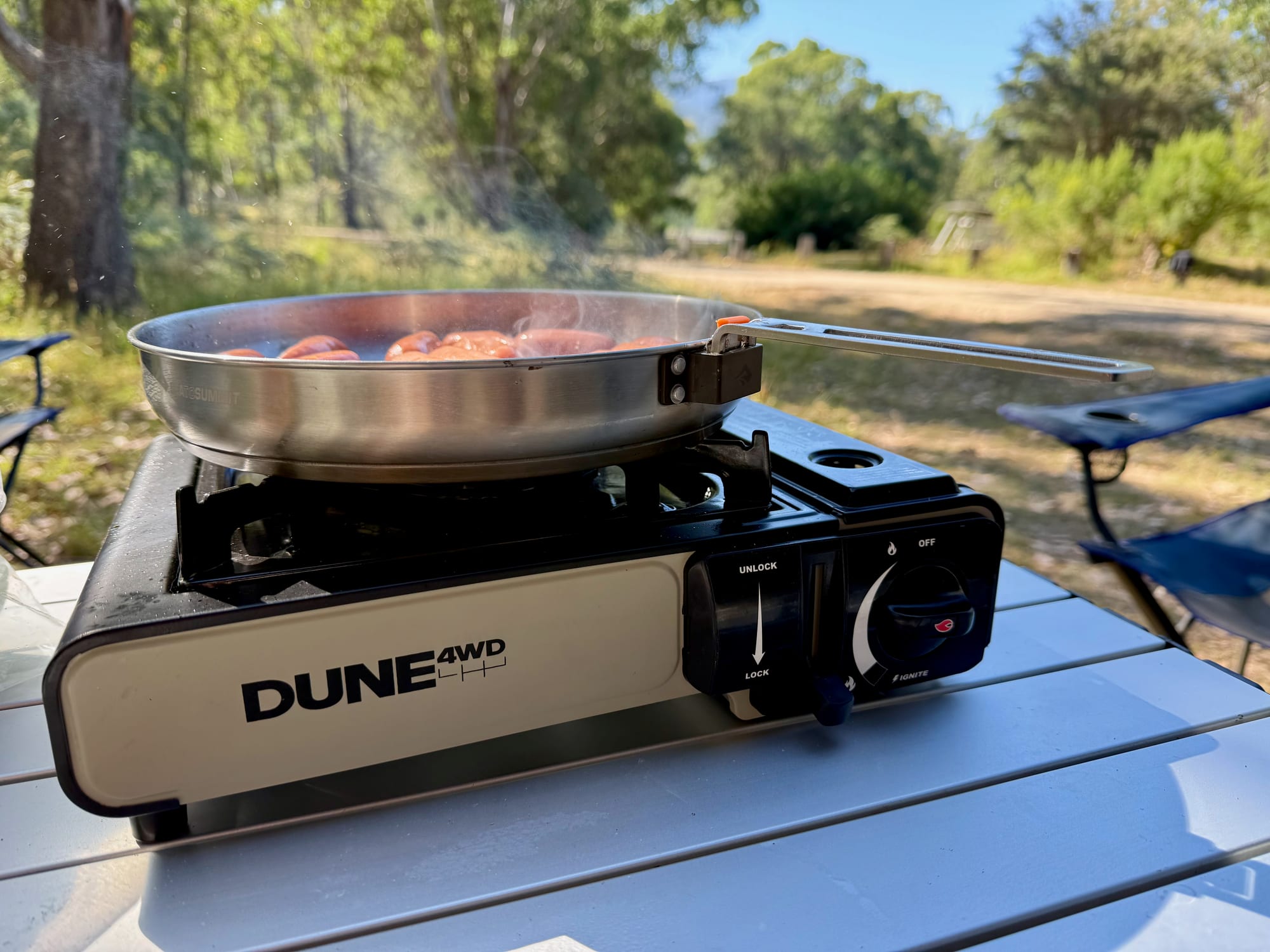
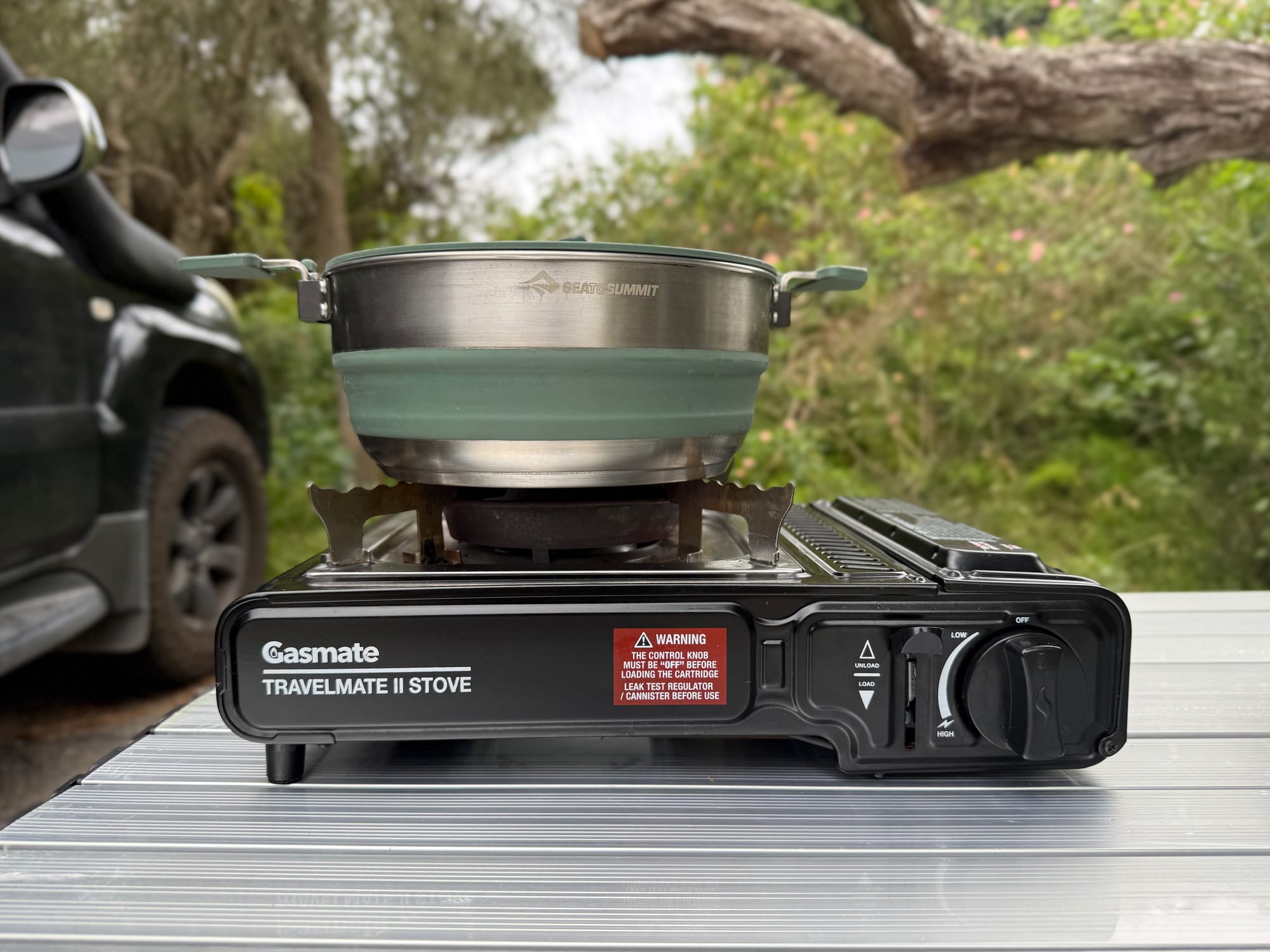
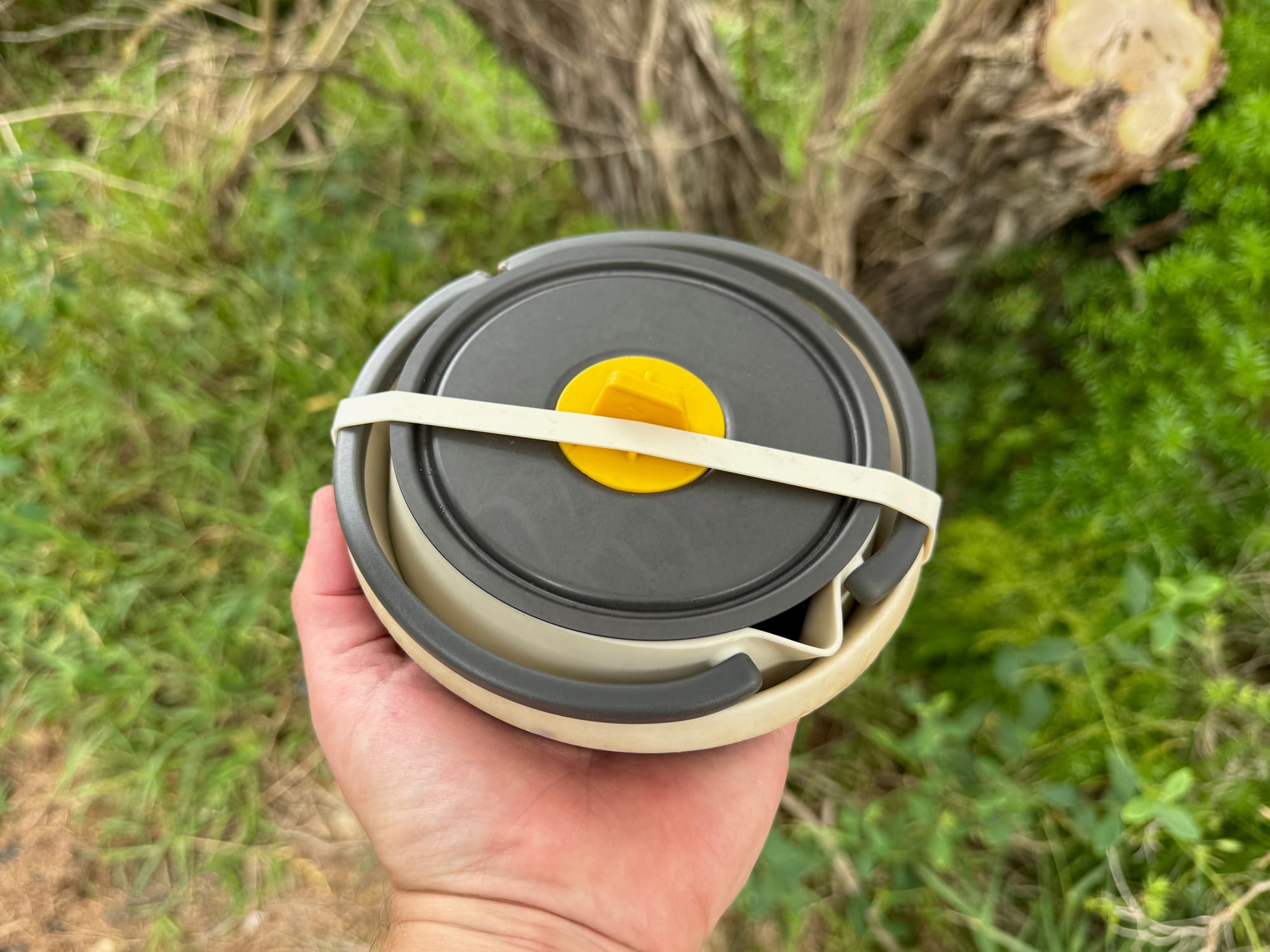
A gas cartridge, a compact canister stove and two butane stoves from our reviews. See the camping stoves guide for the full ranking.