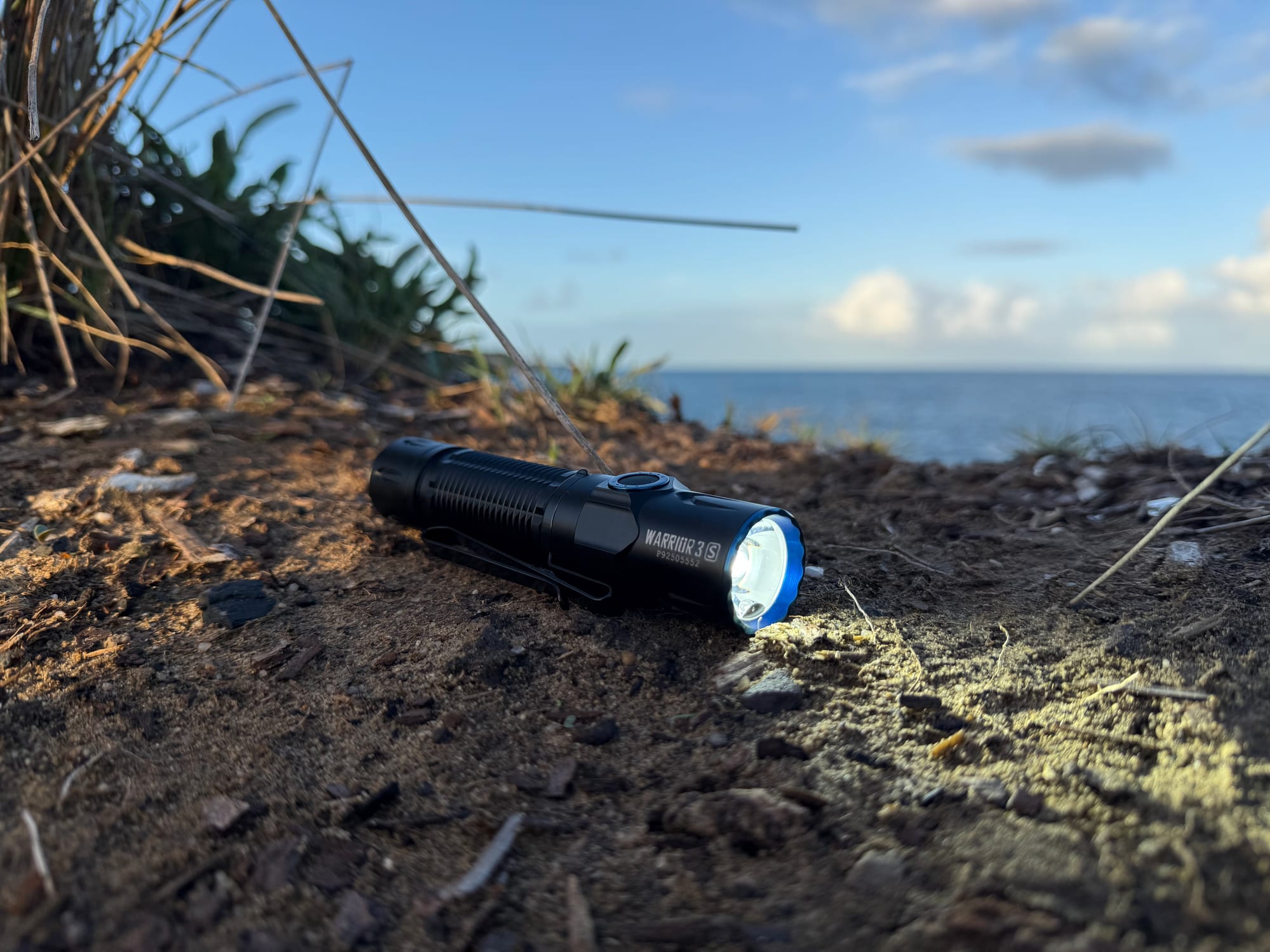
Every torch, head torch and lantern on the shelf has a lumen figure on the box, and the numbers run from 20 to 2,000. Most of the time the right light for camping is not the brightest one. This guide explains what a lumen is, how many you need for reading, cooking, walking and lighting a campsite, and what else to look at besides the number.
What is a Lumen?
A lumen measures how much visible light a source gives off. More lumens, brighter light. We grew up judging bulbs by watts, but watts measure power used, not light produced, and with LEDs the two have little to do with each other. Lumens are the fair comparison between a head torch, a torch and a lantern.
The range is wide. A head torch on its low setting might give 20 lumens, enough to read by. A big lantern can put out 1,000 or more and light a whole campsite. Picking the right number for each job is the whole trick.
How many lumens for each camping taskLumens for each task
More lumens isn’t always better: the right brightness depends on what you’re doing. Use these ranges as a guide, from reading in the tent to signalling in an emergency.
- Reading in a tent
10–50 lumens
- Inside a small tent
50–100 lumens
- Cooking or eating at a table
100–200 lumens
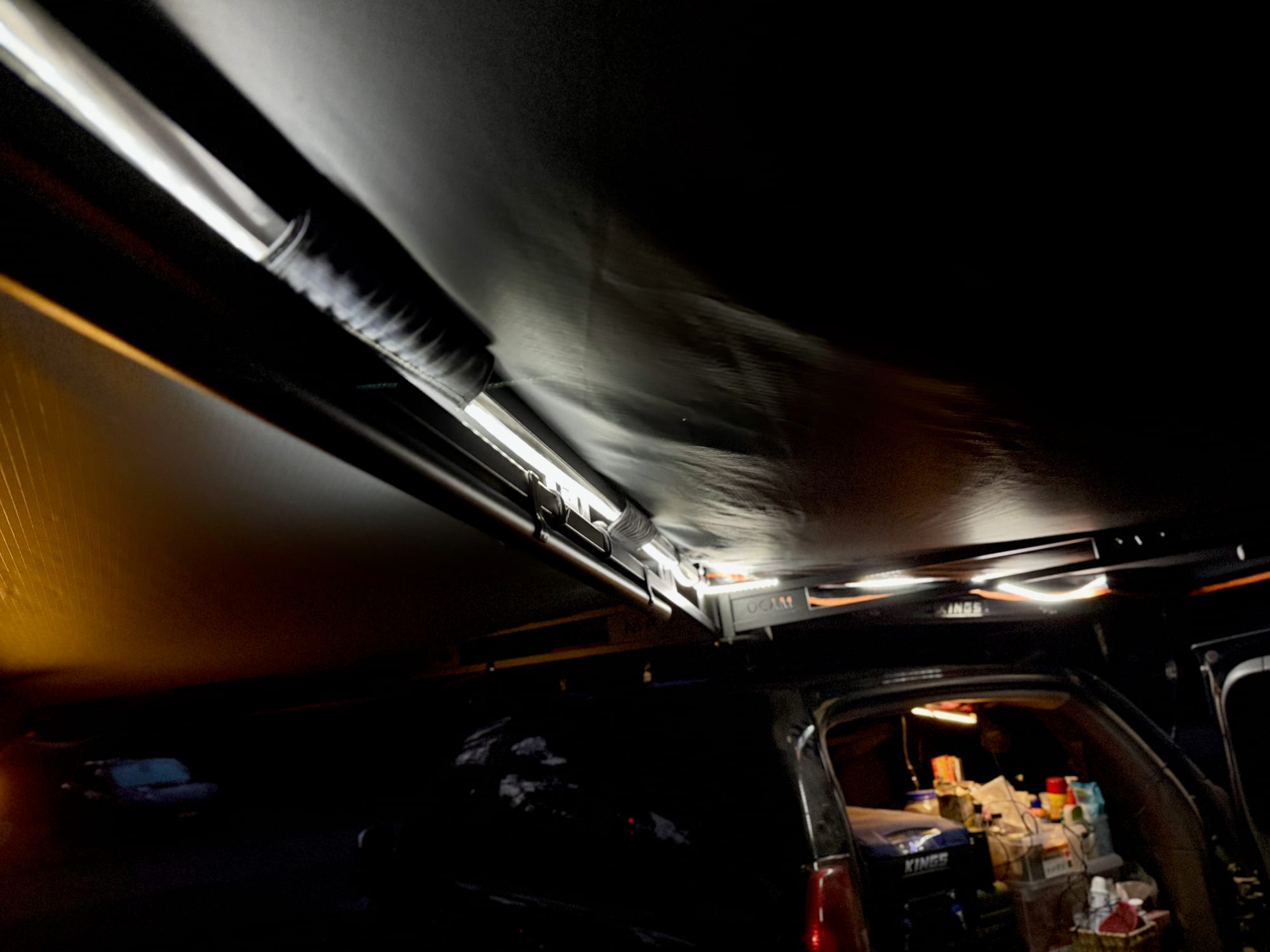
- Lighting a large campsite
200–500 lumens
- Hiking on a trail
150–300 lumens (with focus)
- Emergency signalling
500+ lumens (high visibility)
Matching brightness to the taskBrightness for the task
Reading in the tent needs about 20 lumens. Anything brighter dazzles you, wakes whoever is next to you and flattens the battery for nothing. Finding something in a bag or walking to the toilet is the same story: low setting.
Cooking is where you want more. Somewhere between 150 and 200 lumens lights a table and a stove properly. Most head torches and lanterns have several settings, so try them at home before the trip and learn which click gives you what; it is easier than working it out in the dark.
Beam, colour temperature and red lightBeam, colour & red light
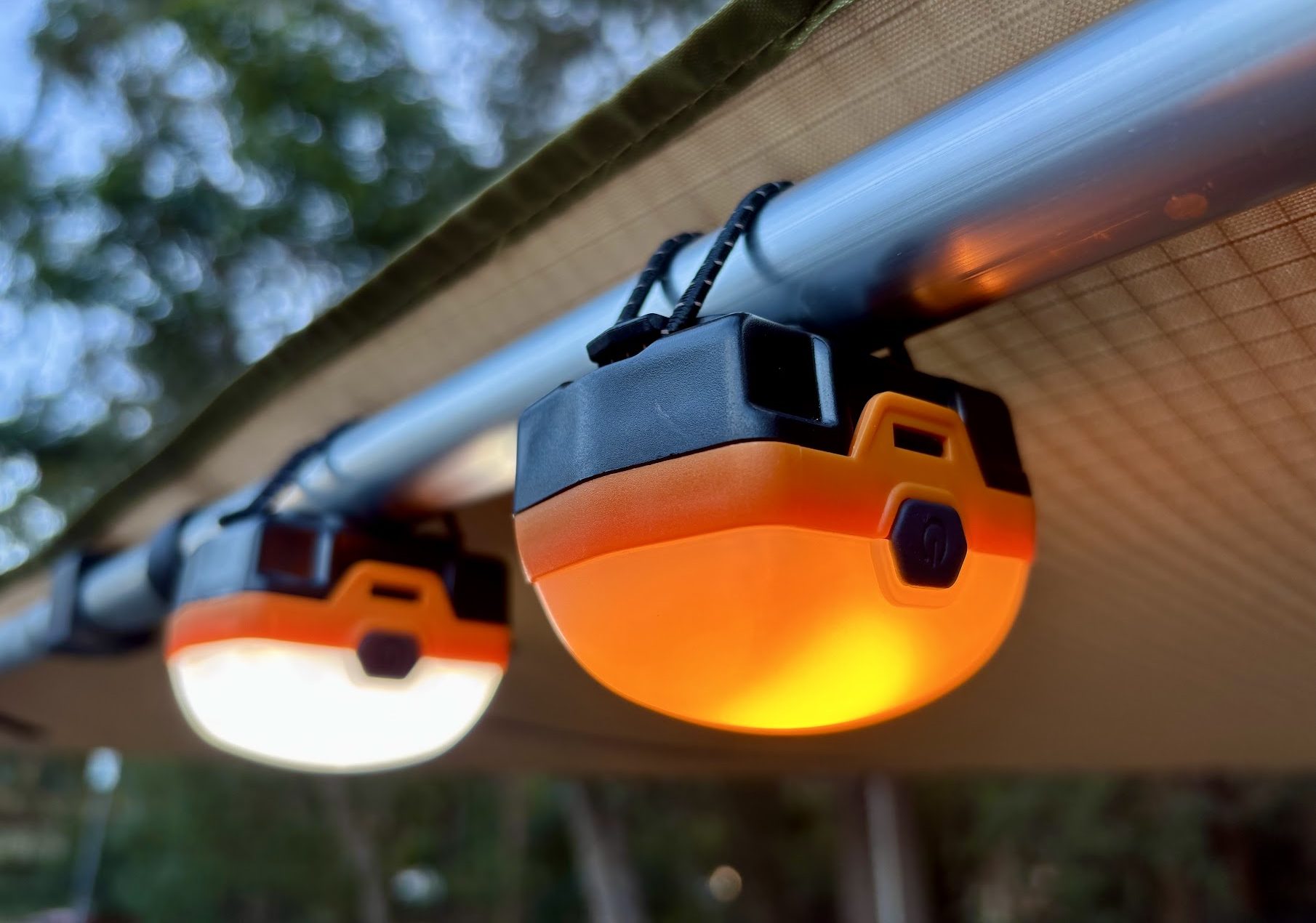
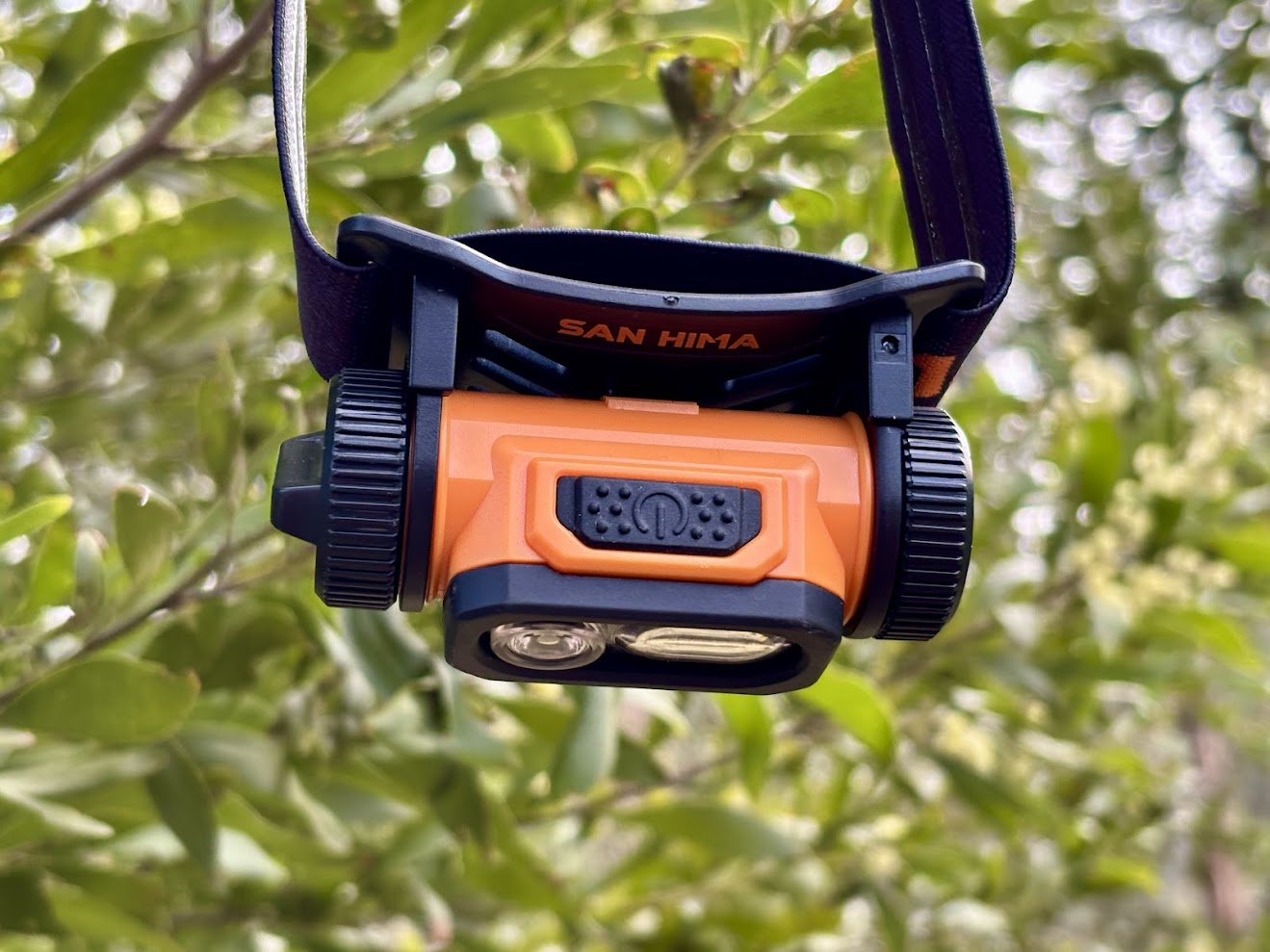
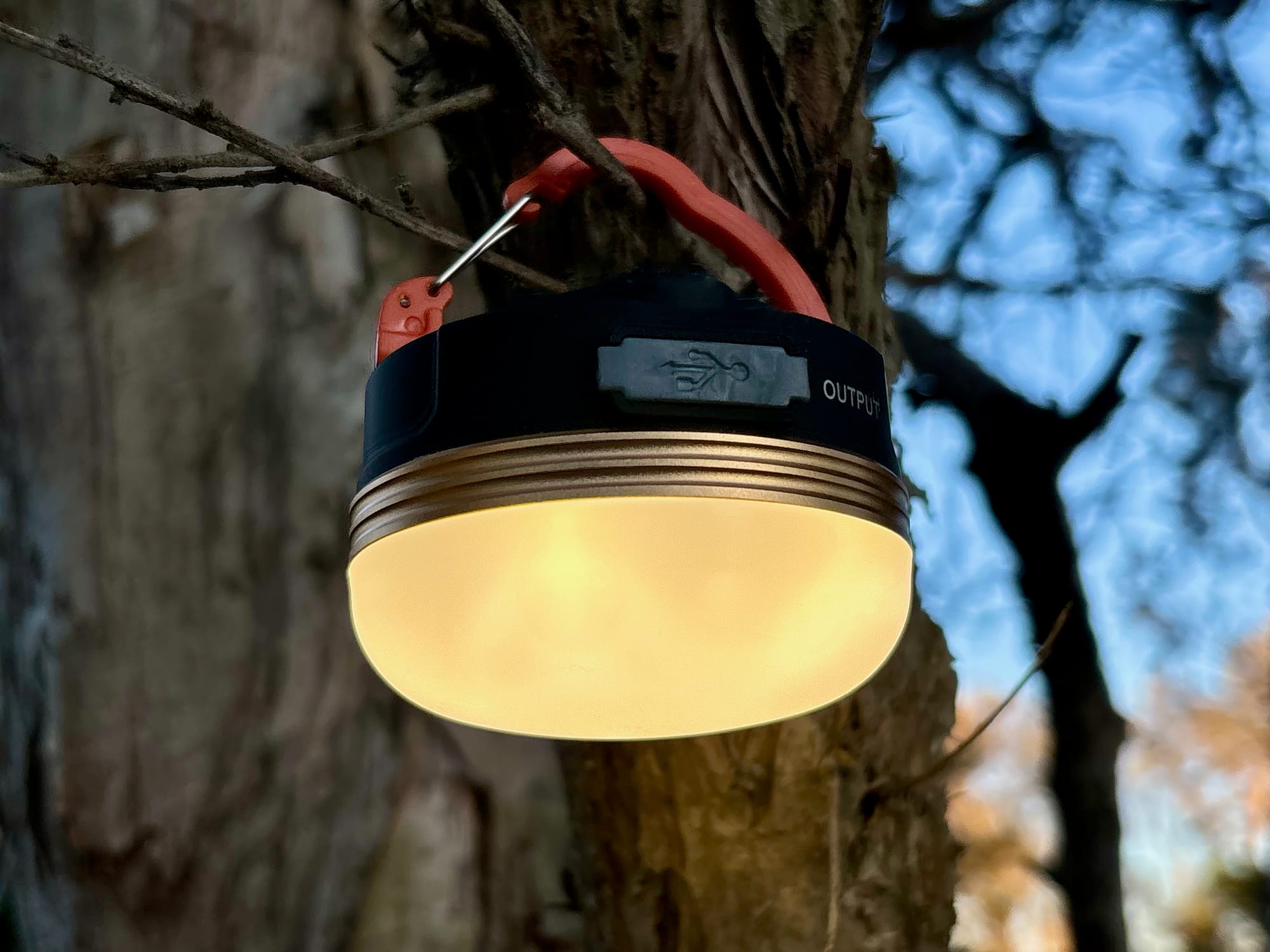
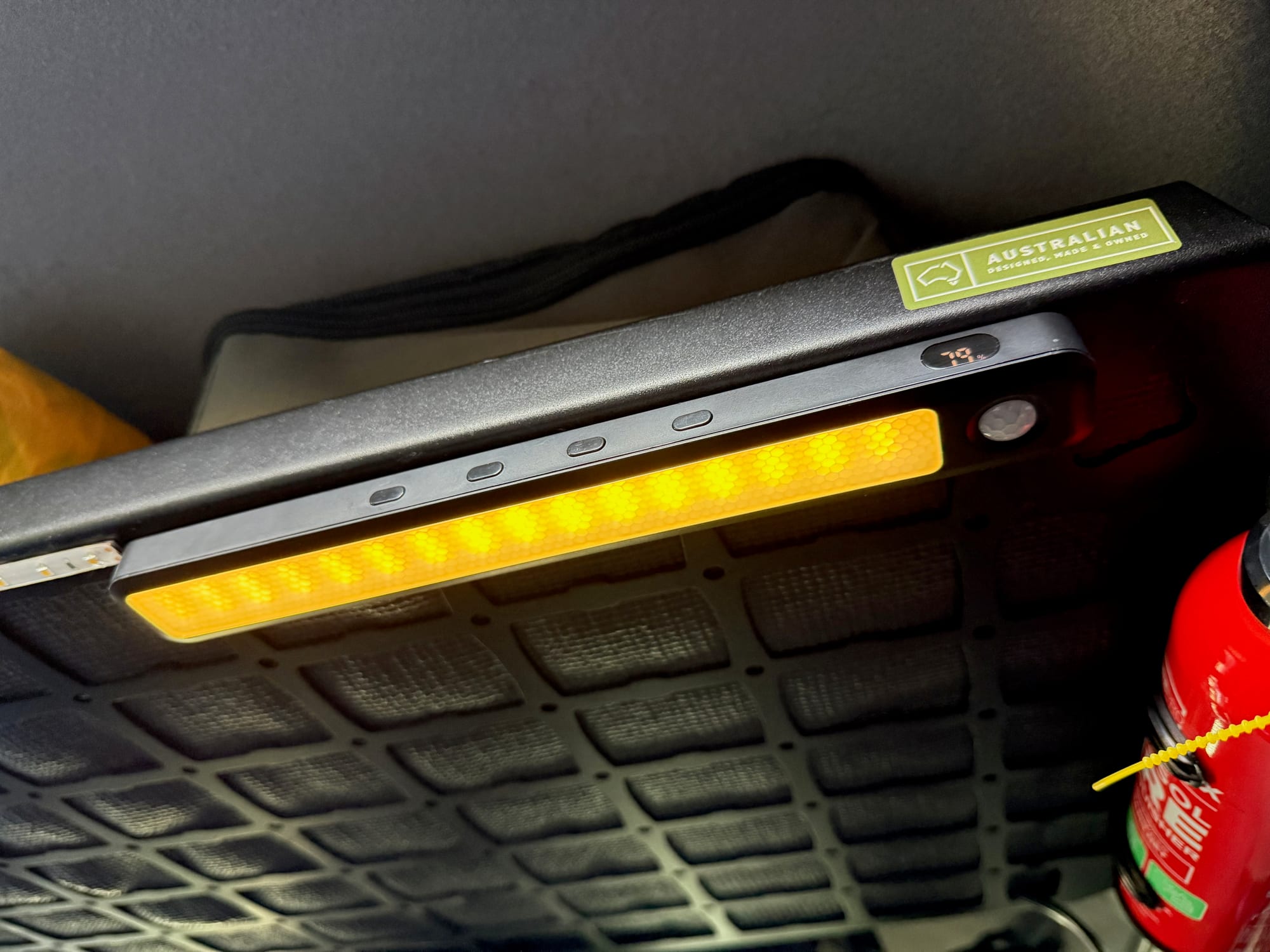
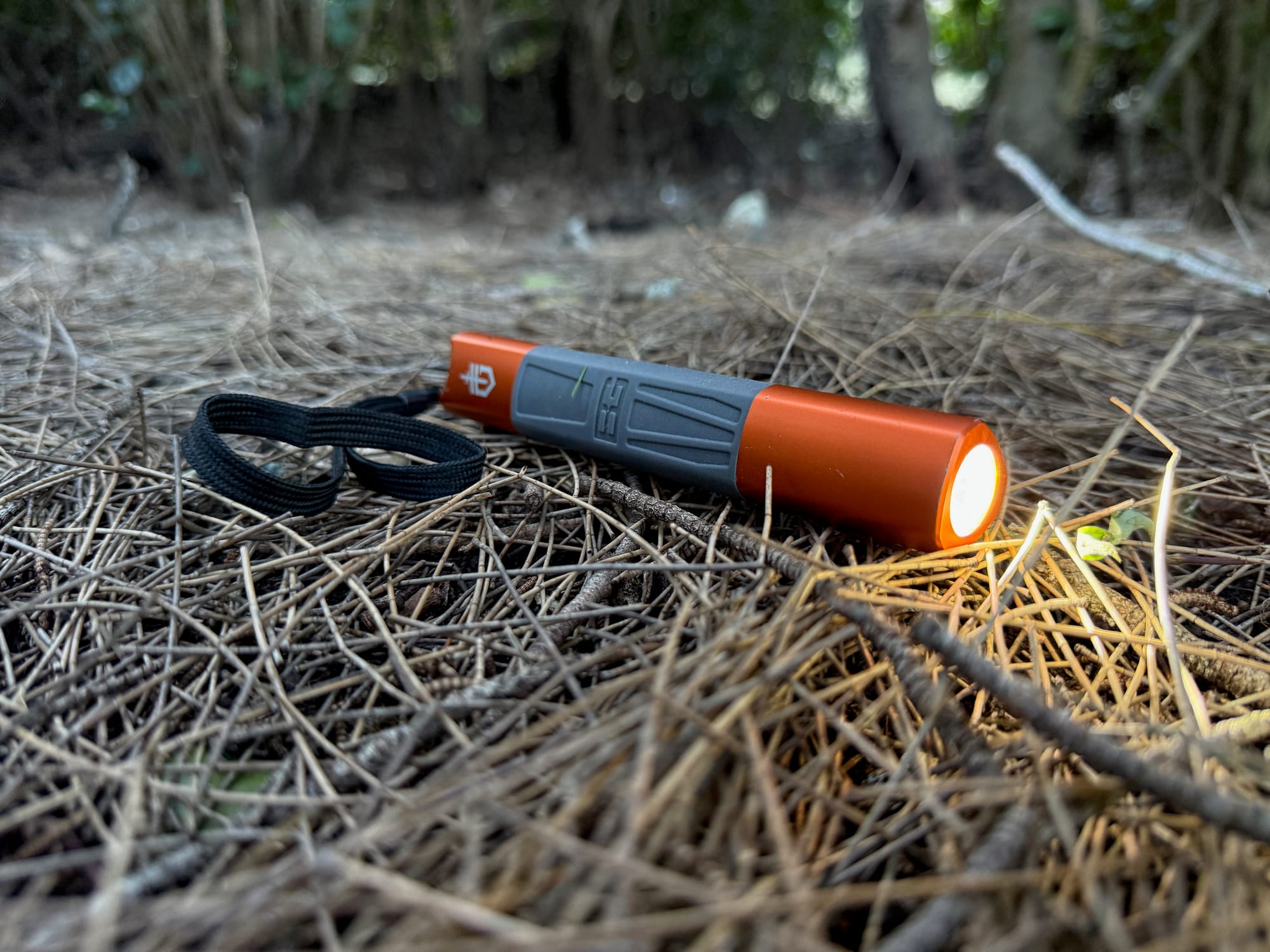
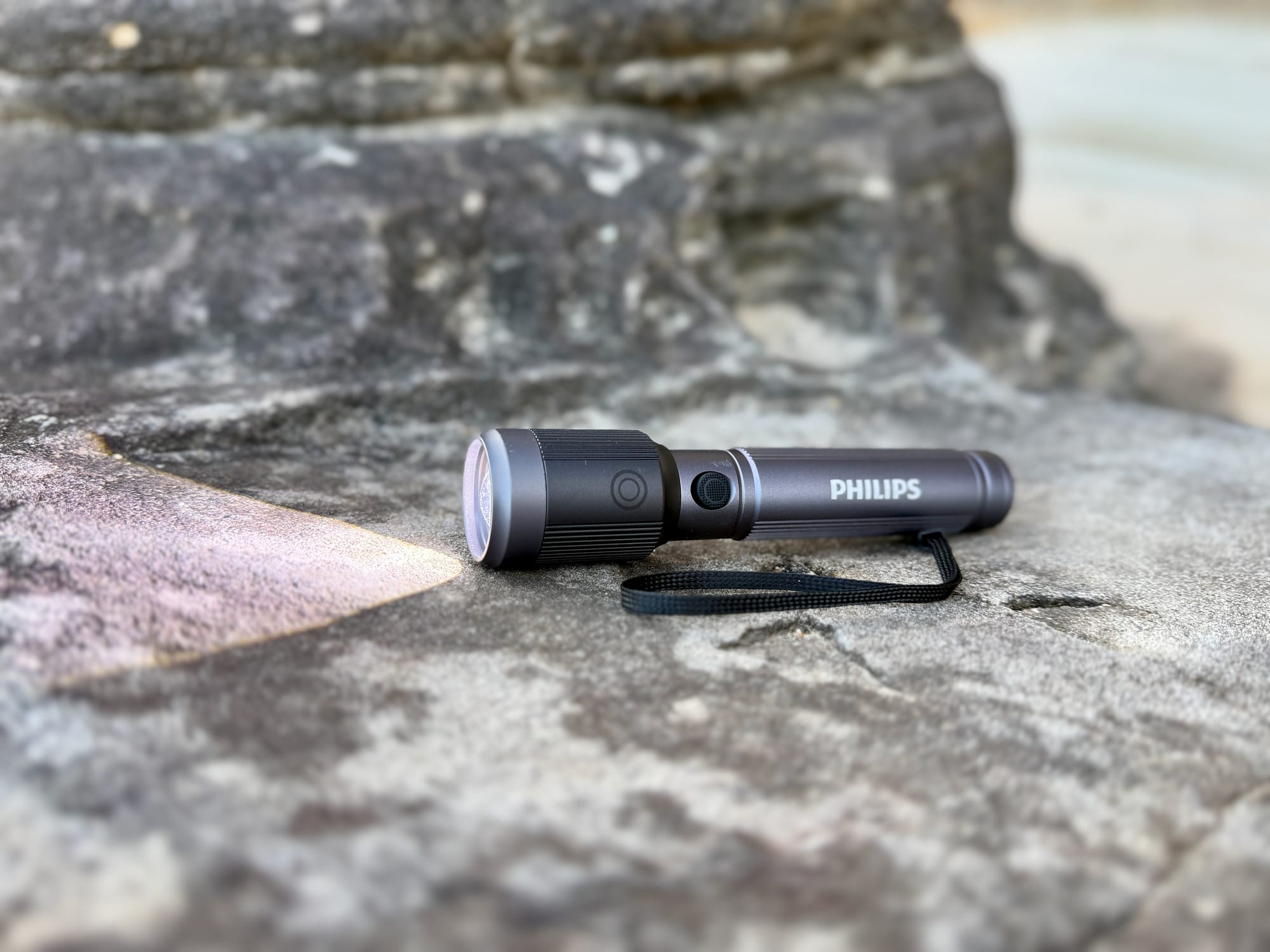
Lumens say how much light, not where it goes. A torch throws a narrow beam a long way, which is what you want on a track at night. A lantern spreads the same light evenly over the table and the tent, which is what you want at camp. Many head torches do both with a spot and a flood setting.
Colour matters too. Warm, yellowish light is easier on the eyes and nicer to sit in; cool blue-white light looks harsh after dark. And a red mode is worth having: it lets you see what you are doing without wrecking your night vision, so you can turn it off and still see the stars.
Summary
You don’t need the brightest light, you need the right amount for each job: about 20 lumens for reading, 150 to 200 for cooking, a few hundred to light a campsite, and a focused beam for walking.
Look at the beam, the colour and whether there is a red mode as well as the number. A good camp lighting setup is a head torch for walking and hands-free jobs, a lantern for the campsite and a small light for the tent.
Do's
- Bring multiple light sources
- Always check battery life
- Use red light for night vision
- Charge lights before a trip
- Choose lights with multiple settings
Don'ts
- Only rely on one light
- Use max brightness for small tasks
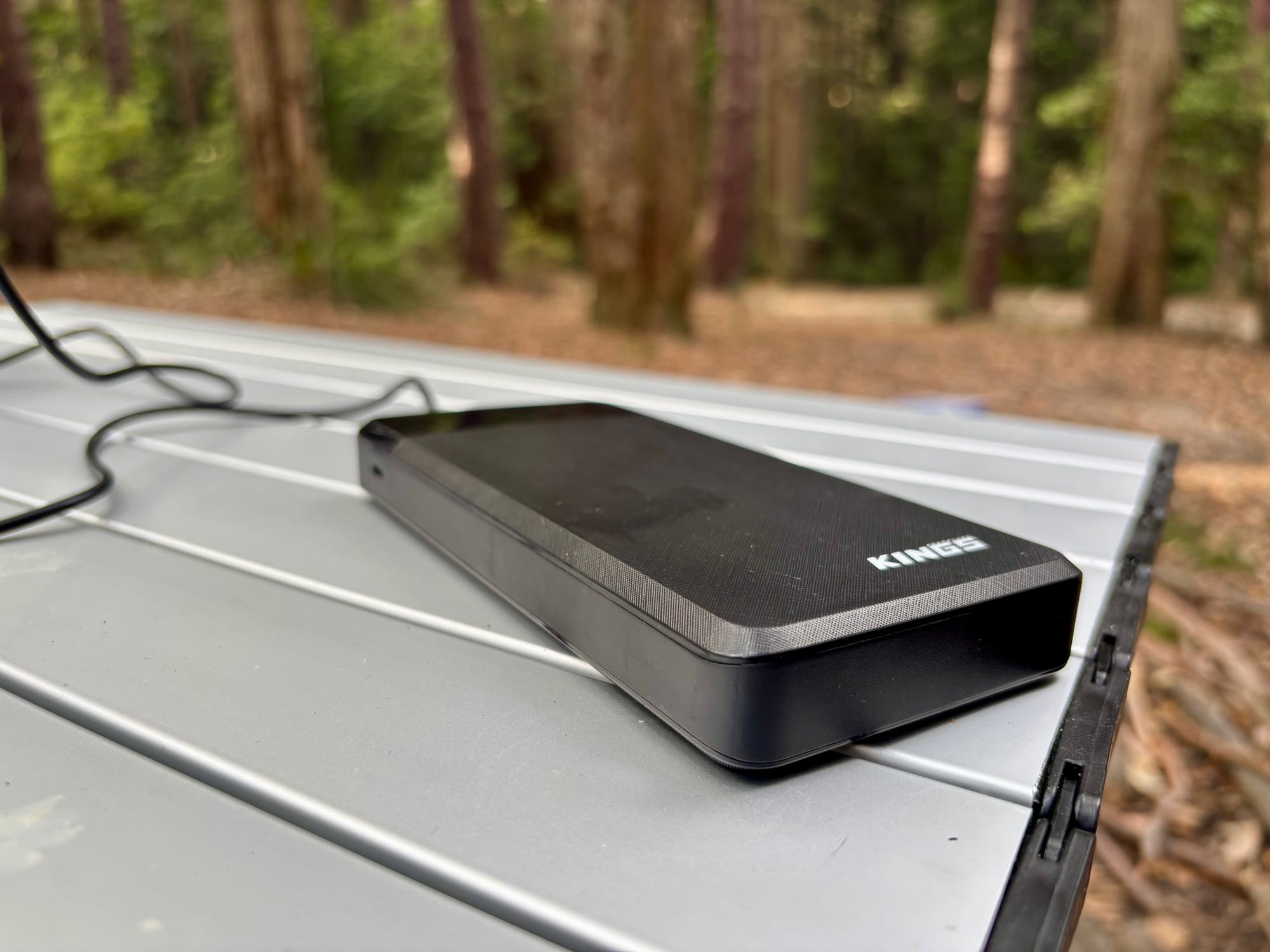
- Forget a portable power bank
Recommended gear
For most camps that means a head torch for moving around and a camping light for the table or tent, with a power bank to keep them charged.