If you’re craving a true off-grid camping experience without leaving New South Wales, Coorongooba Campground hits the mark. Nestled at the end of Glen Davis Road in the western reaches of Wollemi National Park, this free, NSW National Parks-run campground sits beside the Capertee River and offers dramatic escarpment views, grassy campsites, and total peace, assuming you don’t mind the odd kangaroo hopping past.
What we like
- Free, $6 booking fee
- Grassy sites by the Capertee River
- Big escarpment views
- Kangaroos daily, lots of birds
- Plenty of space, even when busy
- No generators: very quiet
What we don’t
- No water and no reception
- Road can get boggy after rain
- Long-drop toilets only
What drew me in initially was the location: it’s remote without being impossible to access. While you don’t strictly need a 4WD, I found it handy, especially after rain. The grassy sites are generous and flat, and there’s plenty of space even on long weekends. There’s no phone reception, no shops, no powered sites, and that’s the appeal.

About Coorongooba CampgroundAbout
Coorongooba offers wide-open grassy areas right by the river, perfect for stargazing. I spotted kangaroos daily, plus wombat burrows nearby. Birds are everywhere. Bring binoculars if you’re into that. One thing I loved was the silence. No generators, no highway hum, just the breeze in the gums and the occasional crackle from another camper’s fire. Even in peak periods, it didn’t feel crowded thanks to the natural spacing.

Quick facts
- AddressCapertee River Trail, Glen Davis NSW 2846See on the trip map →
- Phone receptionNo reception
- FacilitiesPicnic tablesBarbecue facilitiesToiletsNo waterNo binsNo pets
- Good to knowGlen Davis 10 km2WD in the dryBest in spring or autumn
- FeesFree$6 booking fee
- 8.2/10Overall rated
- Book via NSW National Parks
Getting There and AccessibilityGetting there
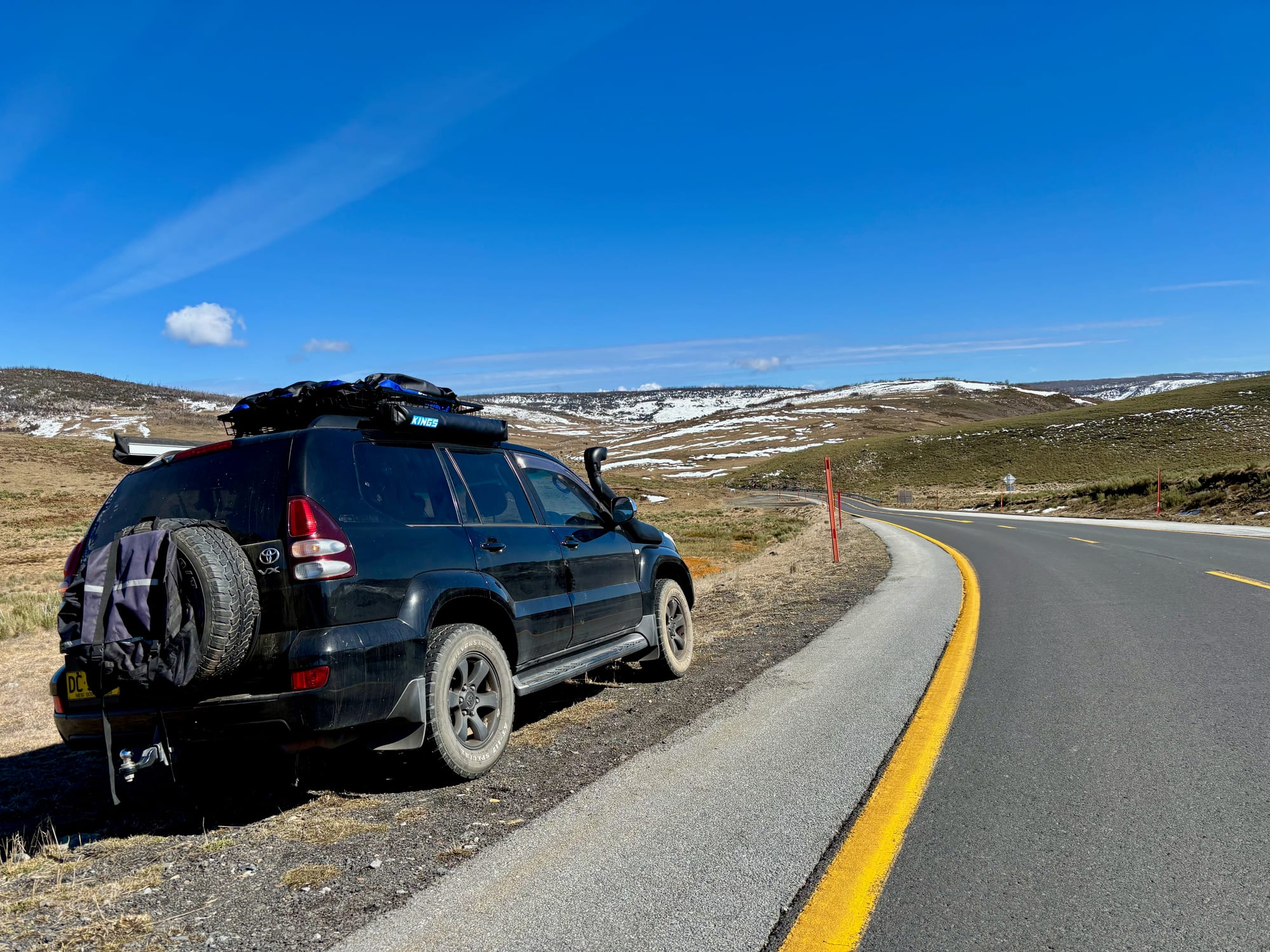
To reach Coorongooba, you’ll drive through Glen Davis, a tiny village with a few old ruins and a surreal, time-frozen vibe. The road is unsealed for the last stretch but manageable. I tackled it in my Toyota Prado with no stress, even loaded with all camp gear and the fridge humming off the Kings Power Pack. While the road is usually in decent shape, it can get boggy in wet weather, and the steep escarpments funnel water fast, so check the forecast. Still, for most 2WDs in dry weather, it’s passable with care.
If you’re planning a longer trip into Capertee or Wollemi, it’s worth pairing Coorongooba with a visit to Glen Davis Ruins or extending your off-grid loop into nearby Newnes.


The Campground Experience
Coorongooba truly offers an escape into nature’s embrace, starting with its inviting landscape. You’re treated to wide-open grassy areas sprawling right by the Capertee River, creating a perfect canvas for relaxation. Come nightfall, this expansive openness transforms into an astronomer’s delight; the minimal light pollution here means the stargazing is simply phenomenal, allowing the Milky Way to arc vividly across the inky sky, uninterrupted by city glow.
Wildlife is a constant presence. I spotted kangaroos grazing peacefully daily, often right near our camp, offering charming photo opportunities. Evidence of wombat burrows nearby suggests these chunky marsupials are frequent visitors too, even if they’re a bit shy during daylight hours. And if you’re a keen observer, birds are everywhere. The air buzzes with their calls, from vibrant parrots to stealthy raptors. Definitely bring binoculars if you’re into that, as the variety is astounding, making it a birdwatcher’s paradise.
One thing that truly stood out, and frankly, I loved, was the profound silence. There are no generators droning, no distant highway hum, just the soothing symphony of the wilderness. It’s simply the gentle breeze rustling through the gum leaves and the occasional comforting crackle from another camper’s fire off in the distance. Even during what might be considered peak periods, the campground never felt crowded. This is largely thanks to the natural spacing between sites and the sheer vastness of the area, allowing everyone to enjoy their slice of tranquility without feeling on top of their neighbours.


This is bush camping with the basics. Expect long-drop toilets (clean, for a national park), picnic tables, and fire pits, and not much else. No showers, no bins, and no water. You’ll need to bring everything, including your own drinking and washing water. I brought my San Hima Portable Shower for rinsing off after hot hikes, worth it. For storing water, I had two 12 Litre Camping Containers strapped in the back, which made camp life much easier.
Essentials to Pack
- Water (20L+ per couple for 2 nights)
- Firewood (collection not allowed on-site)
- Portable shower or river rinse option
- Insect repellent: lots of mozzies after sunset
- Headlamp or camp lighting for evening setup

Activities and Surroundings
The campground is a playground for outdoor enthusiasts. I waded into the shallow Capertee River, finding spots deep enough for a refreshing swim, a perfect way to cool off. Birdwatching was a joy, with parrots and raptors filling the air, and my binoculars caught some stunning sights.
The Capertee River Trail offered a gentle bushwalk, and we explored the nearby Glen Davis Ruins, a fascinating peek into the past. Stargazing at night was unbeatable, and the open space made it easy to set up. It’s a spot that invites you to unwind and connect with nature.

How to Book Coorongooba CampgroundHow to book
While it offers the appeal of a free camping experience, it’s crucial to understand that bookings are now mandatory through NSW National Parks and Wildlife Service (NPWS). Previously a first-come, first-served site, the NPWS introduced a booking system for all campgrounds to manage visitor numbers, enhance safety, and protect these precious natural areas.
Although there are no per-night camping fees, a small booking fee of $6 per site applies to secure your spot. This fee contributes directly to the management and maintenance of the campground’s basic facilities. You can easily make your reservation online via the official NPWS website or by contacting their National Parks Contact Centre. Always book in advance, especially during peak seasons, to guarantee your tranquil spot by the Capertee River.

Summary: Is Coorongooba Campground Worth It?Summary
What sets it apart is its serene riverside setting and seclusion. The free entry (with a $6 fee) is a bargain, and the escarpment views and wildlife make it a gem. I loved the proximity to Glen Davis added flexibility. It’s not for glampers, because you need a vehicle suited to unsealed roads and self-reliance, but for nature lovers, it’s a hidden paradise.
If you’re the kind of camper who thrives on isolation, silence, and space, Coorongooba is one of the best free campgrounds in NSW.
It’s not for glampers or crowds, and that’s what makes it special. I’d come back in a heartbeat, especially with good gear and a couple of days to disconnect. It's a perfect base for exploring the western edge of Wollemi without crowds or caravan parks.
- Campers
- 4WD tourers
- Hikers
Yes. Camping is free with only a $6 booking fee, in a river valley surrounded by towering cliffs. Facilities are basic: long-drop toilets and fire pits.
Recommended Gear for Coorongooba Campground
If you’re heading here, packing the right gear makes a big difference. Given the remote location and lack of facilities, I’d strongly recommend bringing a portable camping shower like the San Hima Rechargeable Shower, a solid water container such as the 12L PE tank, and a reliable off-grid power source like the Kings Power Pack.
For setting up a comfortable base, I used my go-to camp lightweight Naturehike Camping Chairs and a set of camp lights to make evenings easier around the fire. You’ll want gear that’s compact, reliable, and built for bush-style camping. Coorongooba rewards the self-sufficient camper.