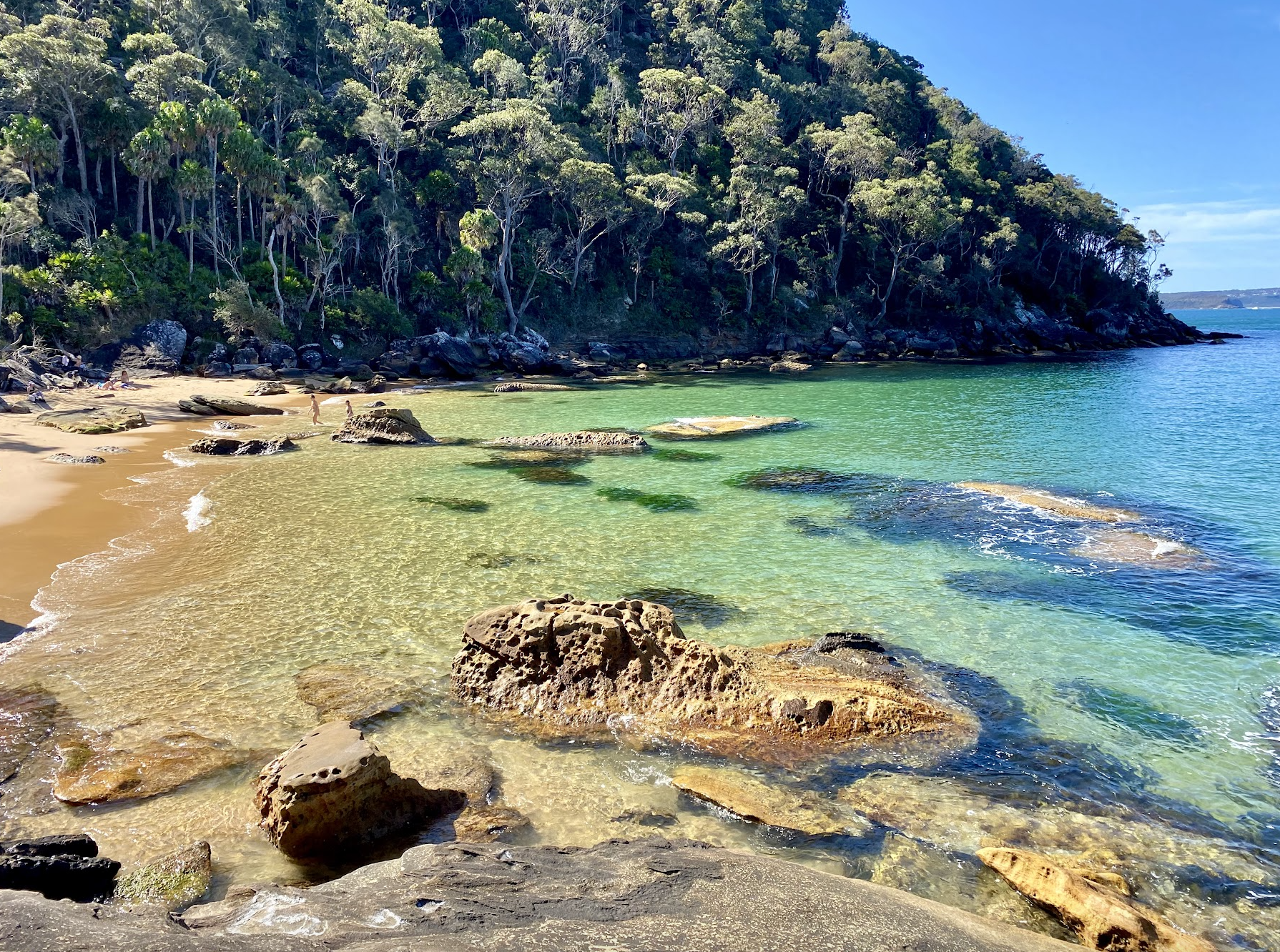
There’s remote camping, and then there’s Capertee Valley National Park camping. Tucked into the western edge of the Blue Mountains, Capertee is one of those rare places that still feels completely wild. Towering escarpments, sprawling valleys, no crowds, no reception, just the kind of rugged beauty that makes your everyday problems feel very far away.
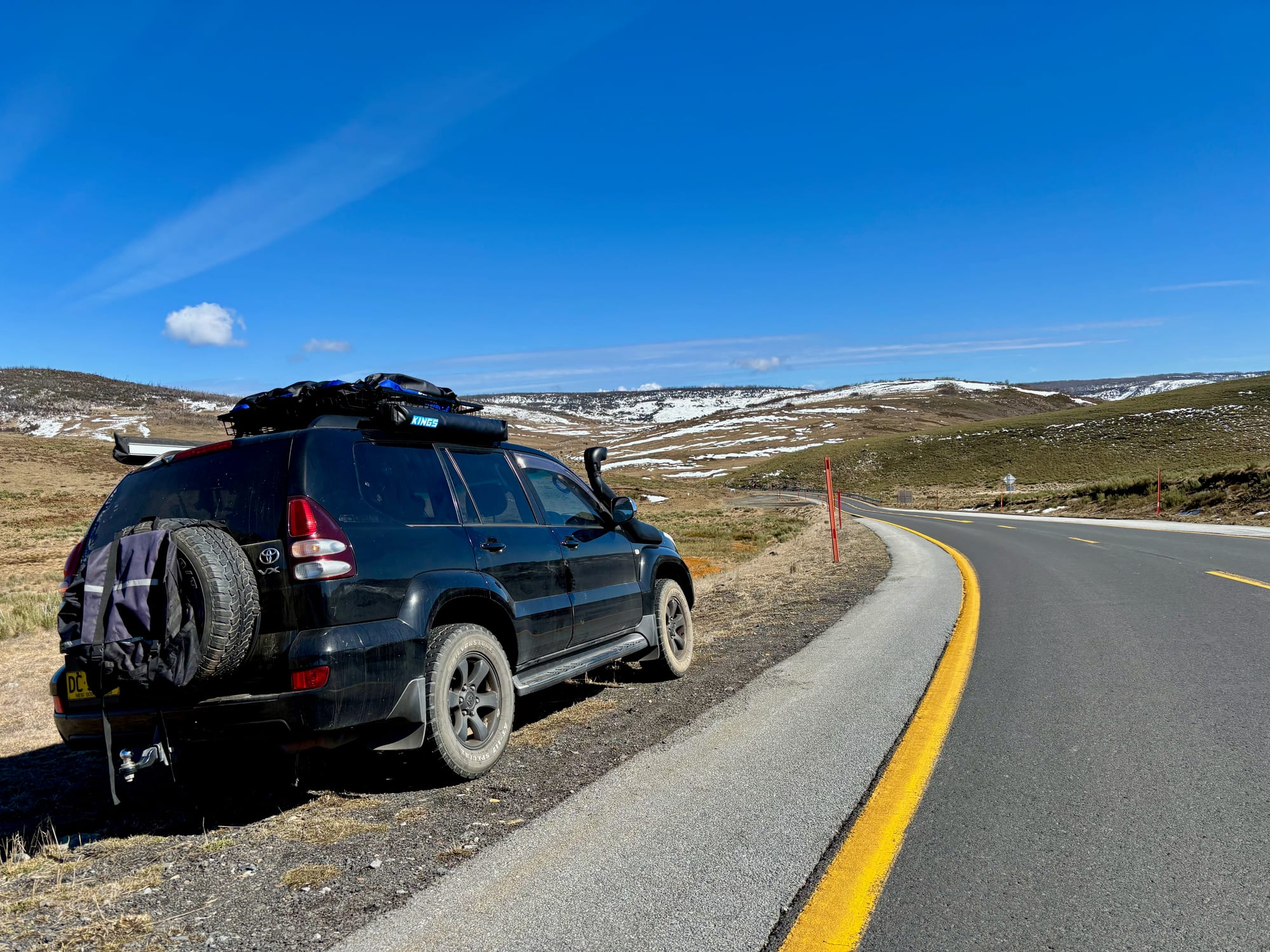
I recently took the Prado out here for a long weekend escape. With a tent packed, our Powerpack topped up, and the Kings Console Fridge stocked, we rolled into Capertee for three nights of off-grid camping, hiking, and stargazing. Here’s everything you need to know if you’re planning your own Capertee Valley mission. Below you’ll also find the campgrounds and lookouts we’ve reviewed around the valley, ranked by our scores.
About Capertee Valley National ParkAbout
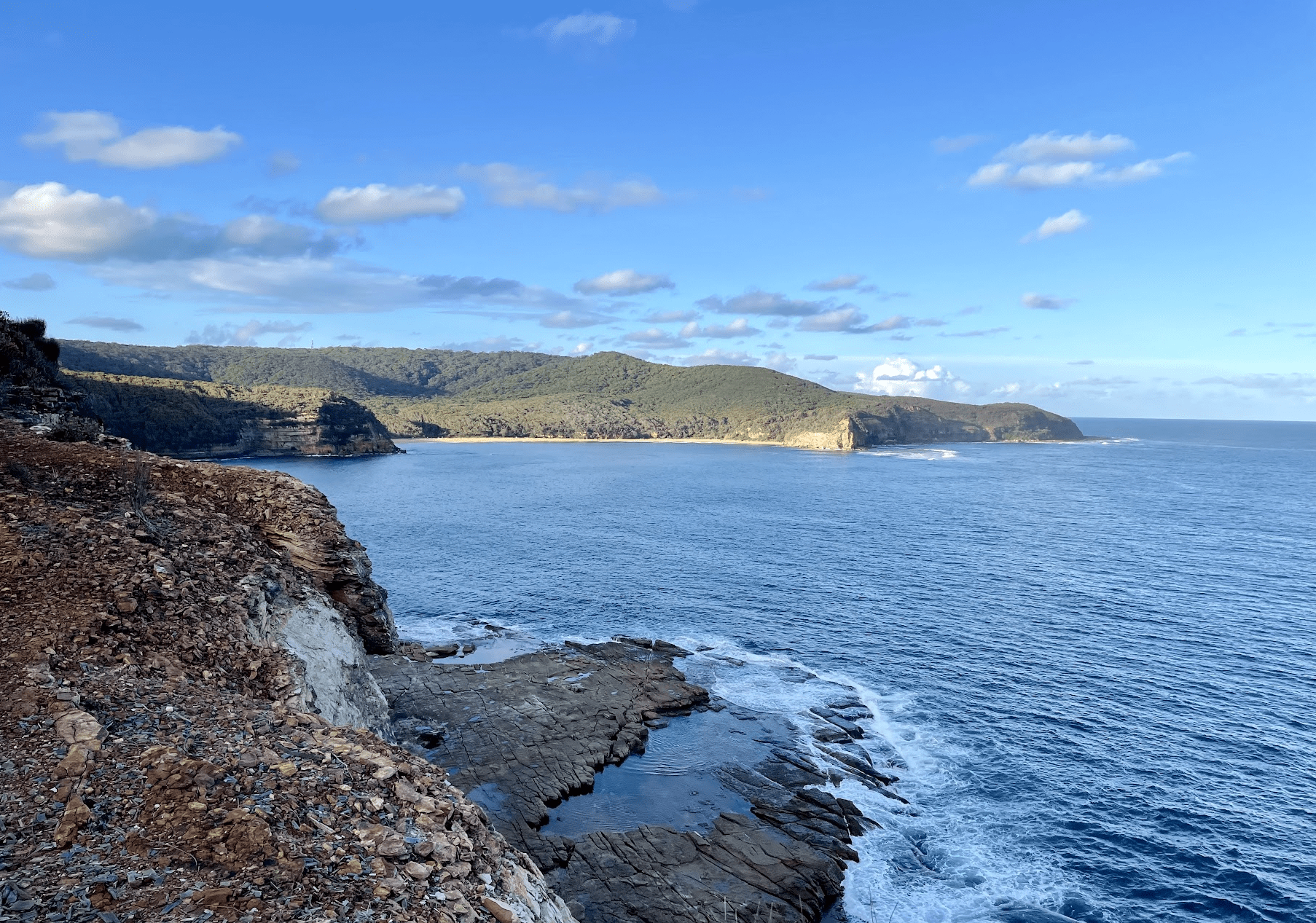
Capertee Valley National Park is a protected area in the Central Tablelands of New South Wales, renowned as one of the world’s largest canyons. Located within the Greater Blue Mountains World Heritage Area, the valley is a spectacular landscape of soaring sandstone cliffs, unique rock formations, and eucalypt woodlands. It is internationally recognised as an Important Bird Area (IBA) and is a prime destination for birdwatchers, home to over 200 species. The park offers breathtaking scenic drives and opportunities for remote bushwalking and camping.
Best time to go
Autumn and spring are the best seasons for the Capertee Valley, with mild weather and the best birdwatching. Nights get cold early: on our late-autumn trip it dropped to 5°C. Whatever the season, the dirt roads turn slick after rain and the park can close them, so check the alerts before you leave.
- AutumnBest timeMarch–MayMild daysGreat birdwatchingCold nights
- WinterFairJune–AugustVery cold nightsQuiet campsPack warm
- SpringBest timeSeptember–NovemberMild weatherBest birdwatchingGood walking weather
- SummerTake careDecember–FebruaryHot daysHigher fire riskCheck alerts before you go
Getting There and AccessibilityGetting there
Capertee Valley National Park is located about 3.5 hours northwest of Sydney, depending on traffic and your chosen route. We headed west via the M4 and followed the Great Western Highway through Lithgow before turning off at Capertee township onto Glen Davis Road. After roughly 7 kilometres, we took a right onto Port Macquarie Road, clearly signposted for Capertee National Park.
From there, it’s about another 20 minutes on dirt to reach the park entrance. The unsealed road is generally graded but expect loose gravel, a few ruts, and occasional washouts. Nothing overly technical, but you’ll definitely want a proper 4WD with decent clearance.

Campgrounds around the Capertee ValleyCampgrounds
Camping around the Capertee Valley is about as raw and real as it gets. There are no powered sites, no camp kitchens and no caravan crowds, just wide open space, rugged escarpments and the kind of silence that resets your brain. These are the campgrounds we’ve stayed at and reviewed in the parks around the valley, from our highest score down. They’re all free with a $6 booking fee, and none of them has drinking water.
Coorongooba sits in a river valley under the cliffs near Glen Davis, and you can reach it in a 2WD when it’s dry. Mount Airly, above Capertee, is 4WD only and has no toilets. The Diggings and Woolshed Flat are in neighbouring Turon National Park, right on the Turon River, and both are 4WD only with river crossings on the way in.

Coorongooba Campground
Scored 8.2 out of 10- Free + $6 booking fee
- No phone reception
- Toilets
- No dogs
Our take: A free, peaceful national park camp on the Capertee River, with grassy sites, cliff views and plenty of space. Bring your own water, and check the forecast before you go. Read more
What we like
- Free, $6 booking fee
- Grassy sites by the Capertee River
- Big escarpment views
- Kangaroos daily, lots of birds
- Plenty of space, even when busy
- No generators: very quiet
What we don’t
- No water and no reception
- Road can get boggy after rain
- Long-drop toilets only

The Diggings Campground
Scored 7.4 out of 10- Free + $6 booking fee
- 4WD only
- No phone reception
- Toilets
- No dogs
Our take: A riverside 4WD camp on the Turon with grassy flats, fishing and gold-rush history. It's not a hard drive in a 4WD, but you need to be self-sufficient. Read more
What we like
- Free, $6 booking fee
- Grassy flats on the Turon River
- Trout fishing and canoeing
- 4WD access keeps crowds away
- Gold rush history
- Kangaroos around camp
What we don’t
- 4WD only: river crossing, steep hill
- No water or power
- No pets

Woolshed Flat Campground
Scored 7.1 out of 10- Free + $6 booking fee
- 4WD only
- No phone reception
- Toilets
- No dogs
Our take: A free riverside camp in Turon National Park with gold-rush history and real seclusion, behind three 4WD-only river crossings. Bring water, and check the weather first. Read more
What we like
- Free, $6 booking fee
- Right on the Turon River
- A 4WD adventure on the way in
- Fishing and river swims
- Toilets, tables and fire pits
- Quiet and secluded
What we don’t
- 4WD only; rain can close crossings
- No water
- No pets

Mount Airly Campground
Scored 6.9 out of 10- Free + $6 booking fee
- Patchy phone reception
- No toilets
- No dogs
Our take: A wild, quiet camp beneath Mount Airly's cliffs, with hiking and mining history nearby. A 2WD can get in when it's dry, but there are no toilets or water, so come fully self-sufficient. Read more
What we like
- Free, $6 booking fee
- Under towering sandstone cliffs
- Hiking, canyons and mining ruins
- Wide, grassy plateau
- Very quiet: hardly anyone around
- Eagles and great stargazing
What we don’t
- No toilets and no water
- Steep in places; tricky after rain
- No pets
Lookouts in the Capertee ValleyLookouts
The valley is best understood from above. Pearsons Lookout is right beside the Castlereagh Highway near Capertee, with step-free access and a view across the whole valley to Pantoney’s Crown. At the far end of the valley, Glen Davis Lookout is a short walk up stone steps to a view over the ruins of the old works.
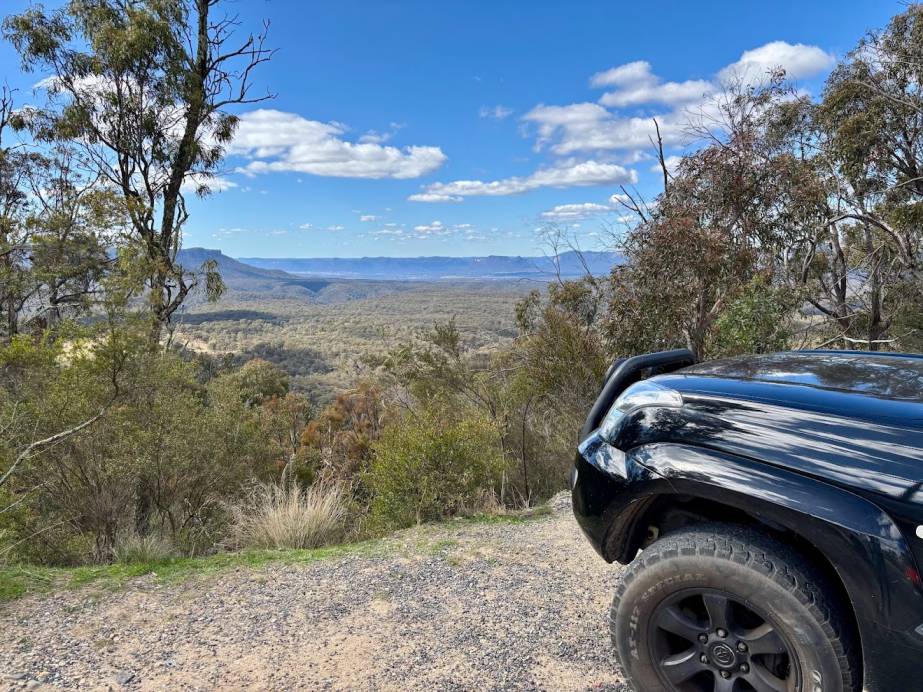
Pearsons Lookout
Scored 9.1 out of 10- Free
- Good phone reception
- No toilets
Our take: Pearsons Lookout offers one of Australia’s most magnificent, yet easily accessible, panoramic views. Read more
What we like
- Panoramic view of Capertee Valley
- Easy, step-free access from parking
- Convenient roadside location
- Free entry without time limits
- Stunning views of Pantoney's Crown
What we don’t
- No toilet or amenities on site
- Very exposed, must check weather
- Access turn can be tricky northbound
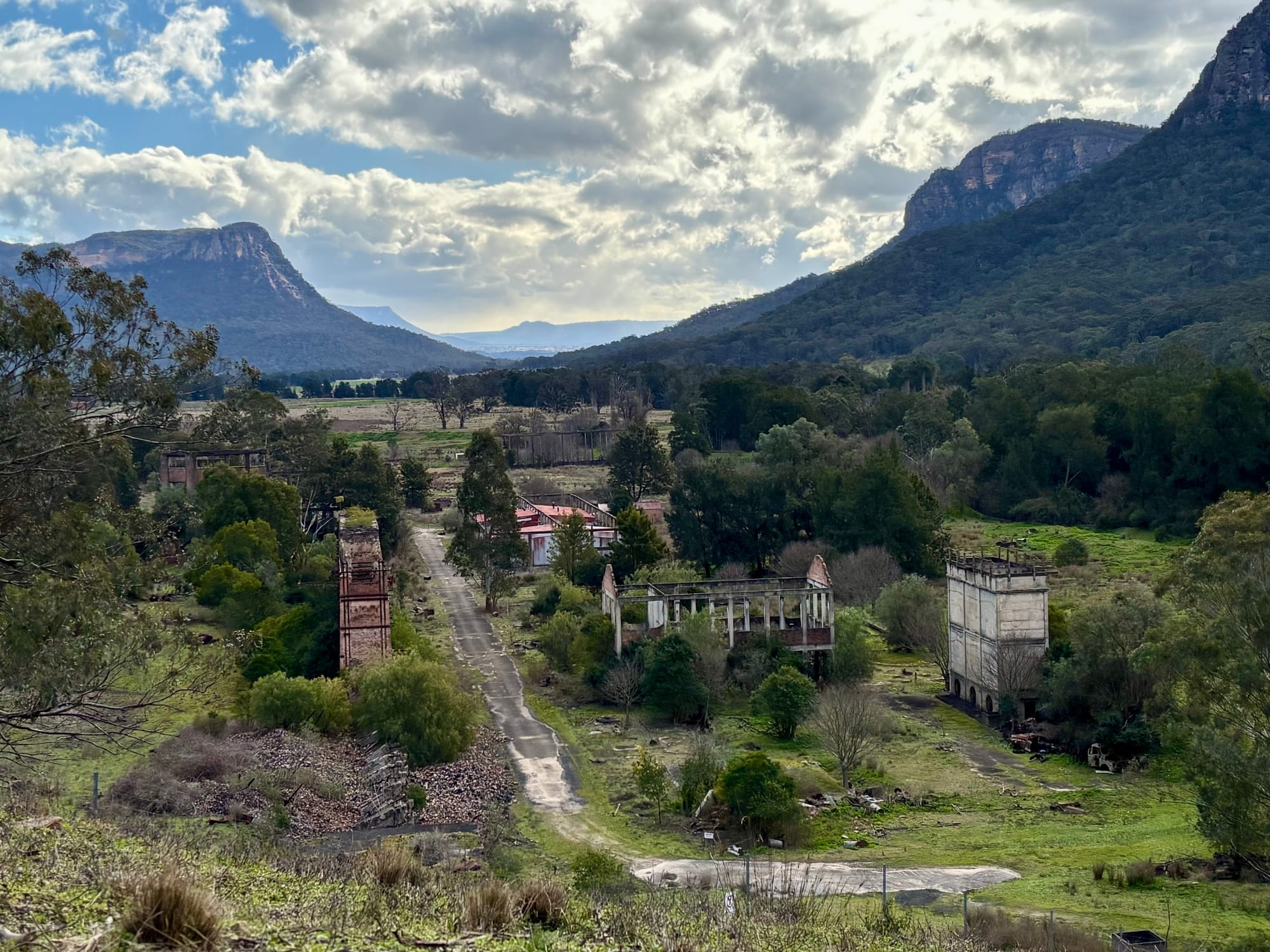
Glen Davis Lookout
Scored 8.7 out of 10- Free
- No phone reception
- No toilets
Our take: A short walk up stone steps to a view over the ruins of the old Glen Davis works, with the cliffs of the Capertee Valley behind them. Read more
What to do in Capertee Valley National ParkWhat to do
Camping in Capertee Valley might feel remote, but there’s no shortage of ways to fill your days once you settle in. Whether you’re into bushwalking, birdwatching, photography, or just sitting still and soaking in the silence, this park delivers a deep connection to the landscape. With vast open skies, towering cliffs, and valleys that stretch for miles, it’s the kind of place where even doing nothing feels like time well spent. Here are a few ways we made the most of our stay.
Capertee Valley Lookout: This is the park’s signature view, and one of the best I’ve seen in NSW. The Valley Lookout sits on a ridgeline just past the campground and overlooks a yawning chasm of cliffs, gums, and golden grassland. If you’re into photography, it’s golden hour heaven. You can drive close (track depending), then it’s a short walk to the edge.
Hike the Historic Port Macquarie Stock Route: There are several old stock routes and bridle trails running through the park, and while they’re not formally marked, they’re passable with a good offline map. This particular track snakes down into the valley through bushland and scattered ruins.
Go Birdwatching: The Capertee Valley is one of the most important bird habitats in Australia, home to over 240 species, including the endangered regent honeyeater. We brought a set of compact binoculars and were blown away. Cockatoos, crimson rosellas, and lyrebirds were everywhere. If birding’s your thing, this place is top-tier.
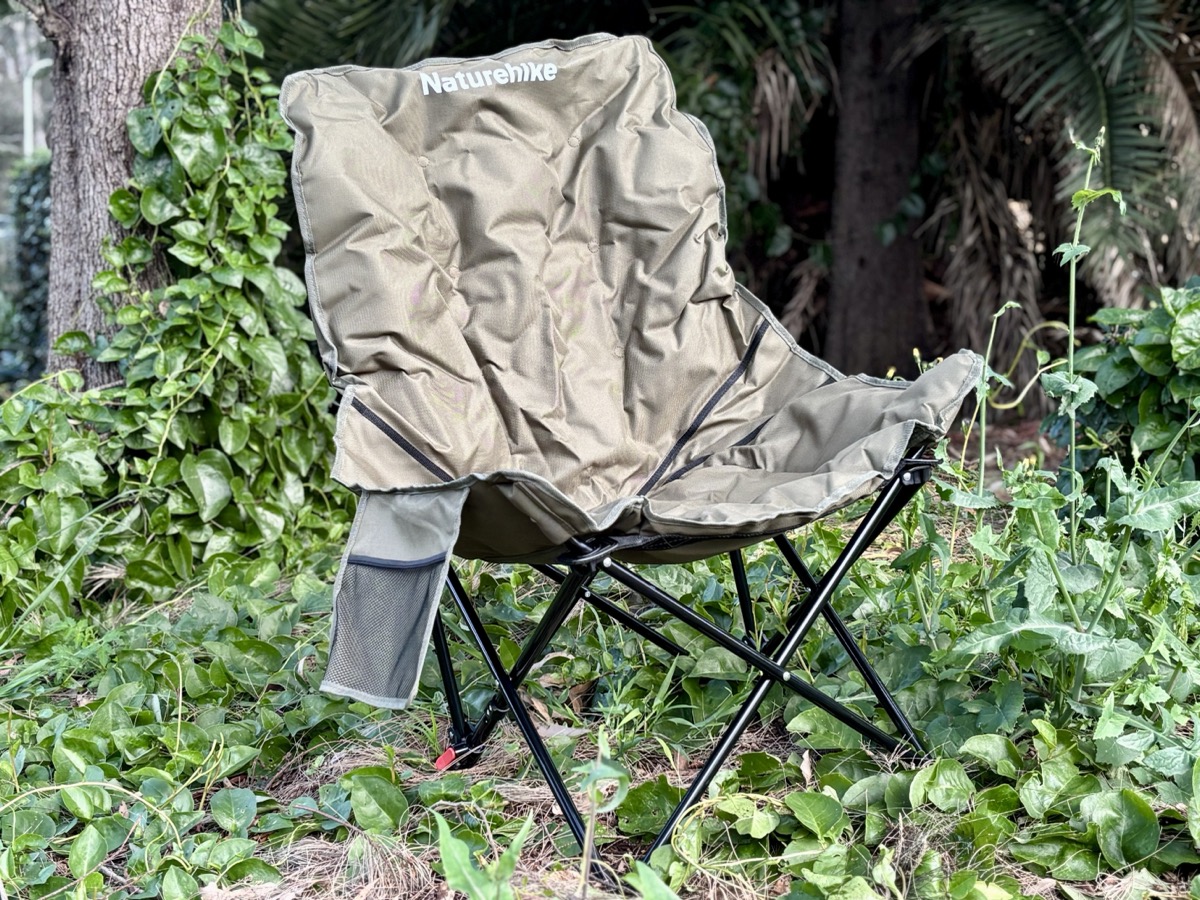
Stargazing: With no phone signal, light pollution, or nearby towns, the night skies here are phenomenal. We lay back in camp chairs next to the rooftop tent and watched satellites, shooting stars, and the full sweep of the Milky Way. Bring a tripod if you’re into night photography.


Practical Tips before you hit the roadPractical tips
While you won’t need lockers or a winch, the access roads into Capertee Valley camping areas are strictly 4WD only, especially after rain. The drive includes steep switchbacks with erosion, narrow winding ridgelines, and a few mild rock and rut sections that require careful tyre placement. Certain stretches of clay can turn slick quickly in wet conditions, making traction tricky.
That said, it’s all very manageable with decent clearance and all-terrain tyres; our Prado handled it comfortably even with a full camp load. Just keep in mind that road conditions can change fast, NSW National Parks may close access after heavy rain. So always check NSW National Park alerts before your trip.
Summary: Is Capertee Valley National Park Worth It?Summary
Capertee Valley National Park is one of those places you almost don’t want to tell people about. It’s wild, raw, and stunning. There’s no playground, café, or booking app. Just a gate, a long dirt road, and the kind of camping that reminds you why you bought a 4WD in the first place.
We came home dusty, recharged, and already talking about going back. If you’re kitted out with a rooftop tent, some off-grid power source, and a reliable rig, this is a must-do destination for any off-grid camper looking for real solitude and serious scenery.
The Capertee Valley is wild, quiet and stunning: the widest canyon in the world, with free camps under the cliffs and almost nobody around.
There’s no phone reception and no drinking water, and several of the camps are 4WD only. If you’re set up to be self-sufficient for a few nights, it’s a must-do.
- Campers
- 4WD tourers
- Hikers
Yes. The camps are free with a $6 booking fee and the lookouts cost nothing. It’s a long drive, so stay at least two nights.
Recommended Gear for Capertee Valley National Park
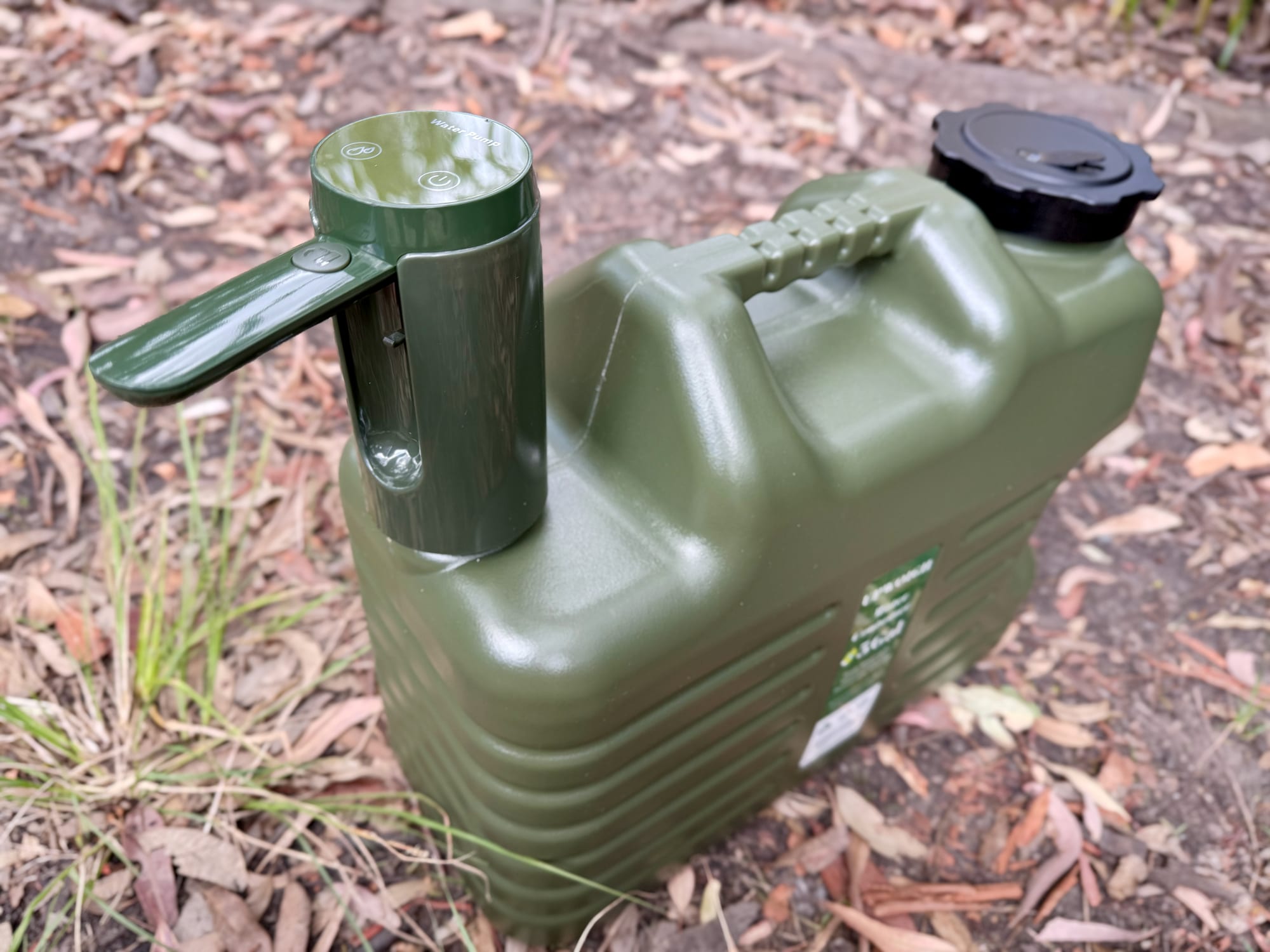
None of the camps has drinking water, so start with a water container big enough for the whole stay. A portable camping fridge keeps food fresh when the nearest shop is a long drive away, and LED strip lighting makes camp easier under those dark skies. For the dirt roads, pack your tyre tools so you can air down and back up again.