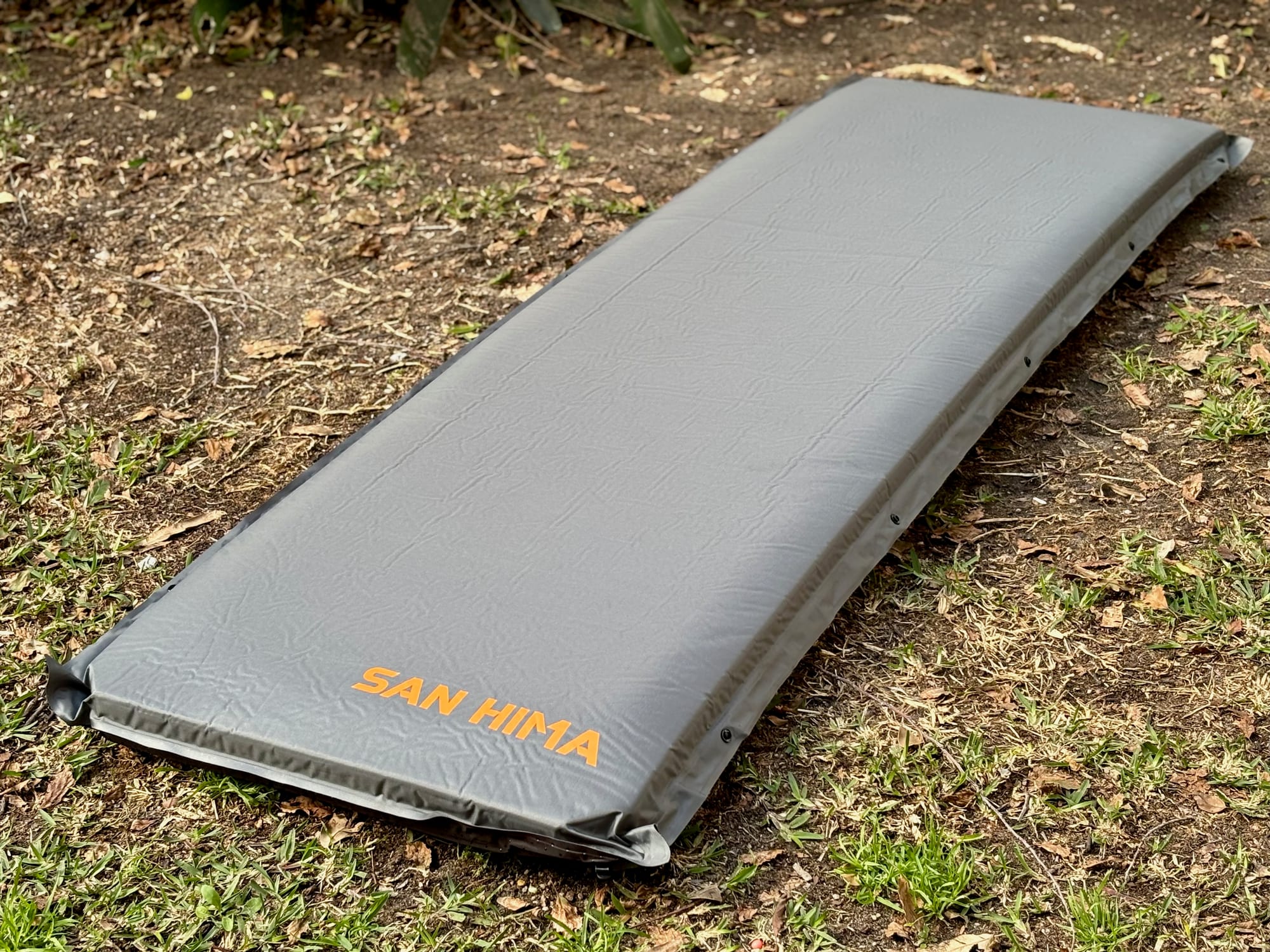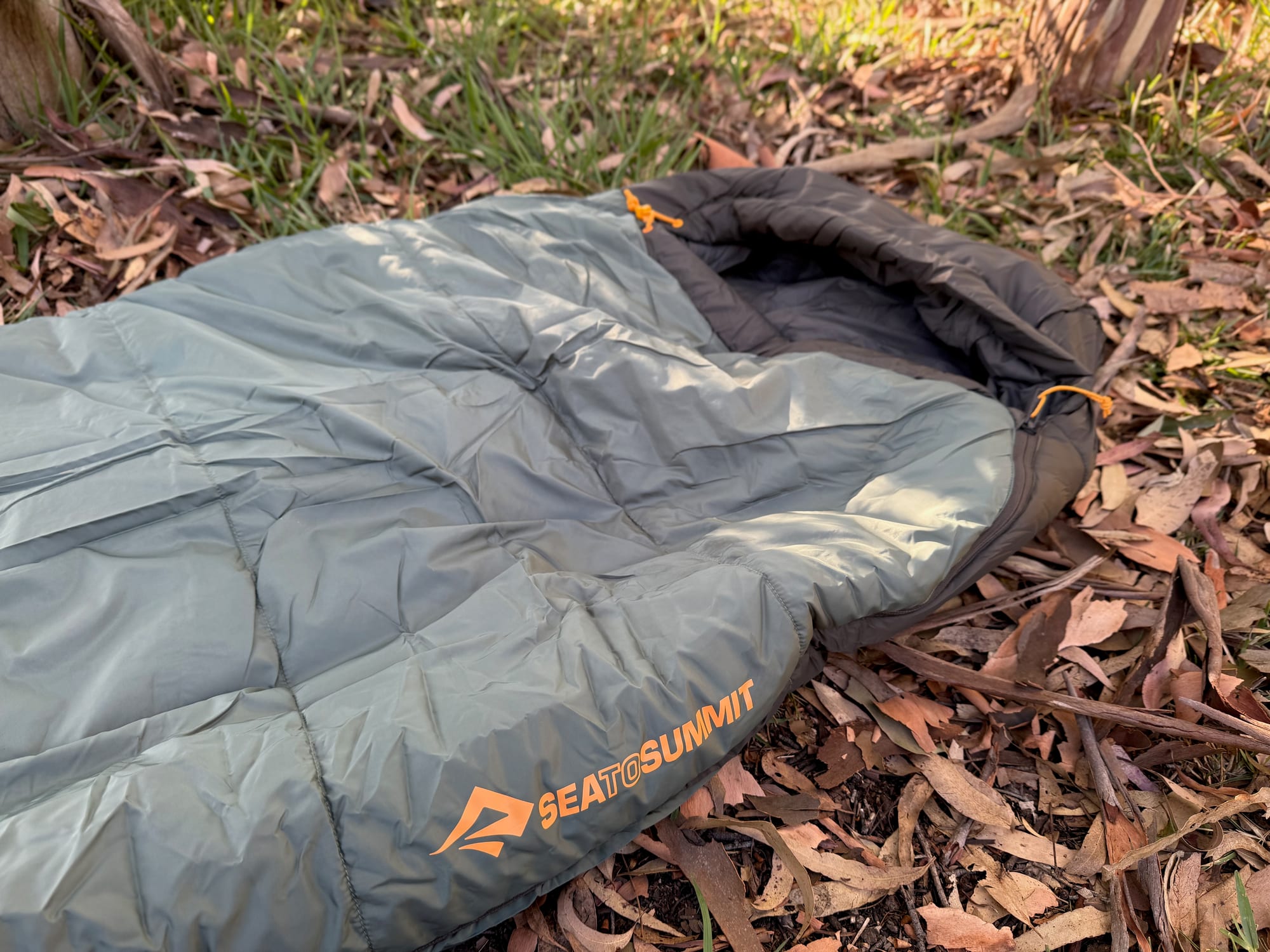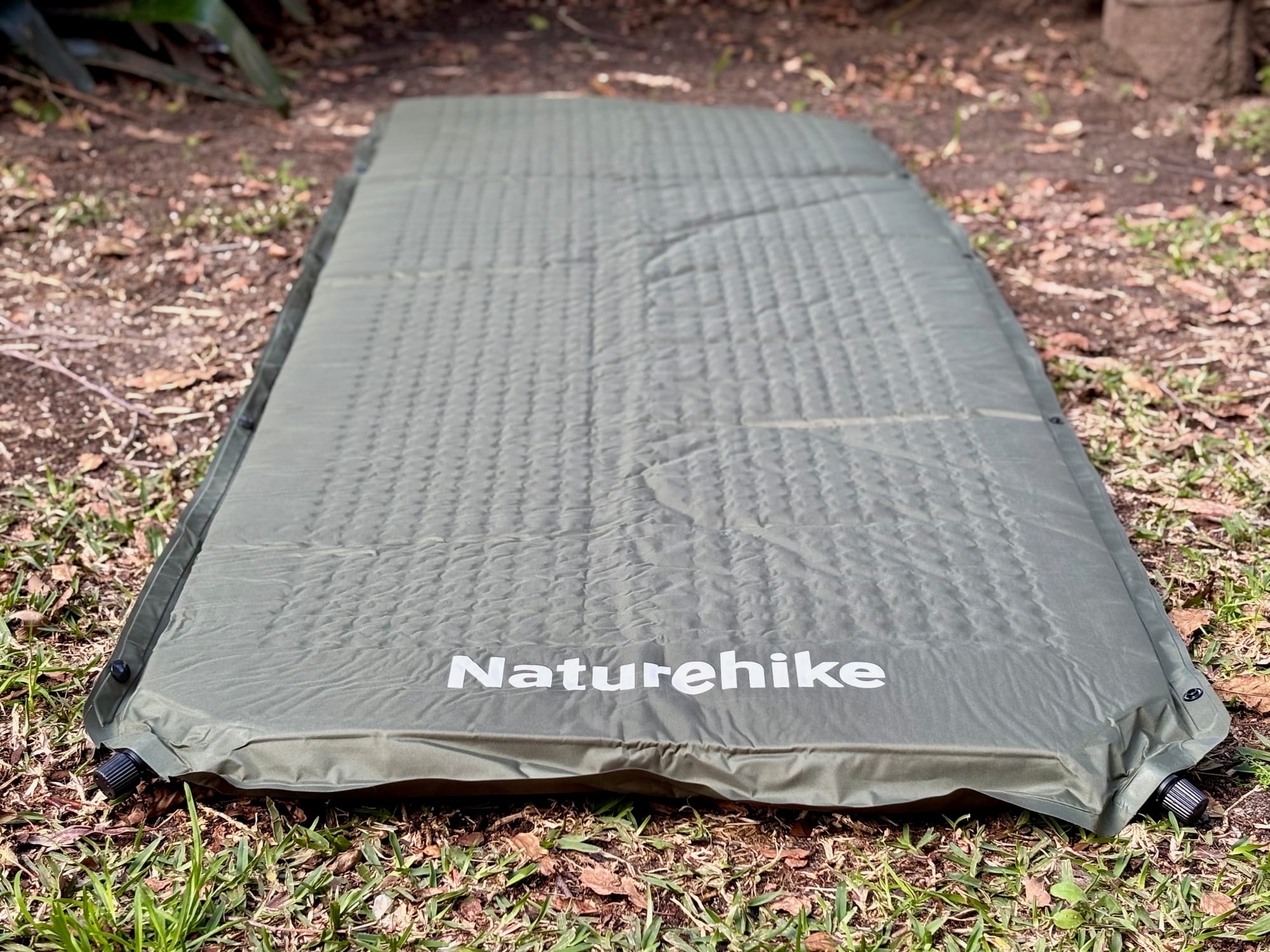
You can have a good sleeping bag and still spend the night cold, because the cold comes up from the ground, not down from the air. What stops it is the sleeping mat, and how well a mat does that is its R-value. It is the one number to understand before buying a mat, and this guide explains it, with a calculator at the end for your own trips.
What is R-value?
R-value is resistance to heat flow: how well the mat stops the ground pulling warmth out of you. Same idea as the insulation in a house ceiling; the higher the number, the less heat gets through. Lying on cold ground is the biggest heat loss a sleeper has, so the mat matters as much as the bag, often more.
Brands used to test mats their own way, which made the numbers useless for comparing. Since the ASTM F3340-18 standard every brand tests the same way, so an R-value of 4 from one maker means the same as 4 from another, and a mat rated 4 insulates twice as well as one rated 2.
R-Value Guide
The overnight temperature you expect is the best guide to the R-value you need. These three bands cover summer to winter, and the calculator below works it out for your own trip.
- Warm Weather /
Summer 0–2 R-Value
Overnight temps above 10°C
- Shoulder Seasons
2–4 R-Value
Overnight temps down to 0°C
- Cold Weather /
Winter 4+ R-Value
Overnight temps below 0°C
Which R-value for which seasonR-value by season
For summer trips with warm nights an R-value of 1 or 2 is plenty, and those mats are the lightest and pack smallest. Autumn and spring, or anywhere nights get near zero, call for 2 to 4. Winter, alpine trips and anything with snow: 4 or higher, no exceptions.
A mat we’ve tested that sits just above that mark is the Sea to Summit Camp Mat SI: a self-inflating mat with an R-value of 4.2 that weighs 780 g, light enough to carry to a walk-in campground.
If your mat is rated too low for a colder trip you don’t have to replace it. R-values add up, so a closed-cell foam mat with an R-value of 2 under an inflatable rated 3 gives you 5. It is the cheapest way to make a summer mat work in winter.
Your sleeping bag and how warm you sleepYour sleeping bag
The mat is one part of the sleep system; the bag and what you wear to bed are the rest. Sleeping bag temperature ratings are tested on a high R-value mat, so if you are cold in a bag that should be warm enough, the mat is the likely culprit. And if you know you sleep cold, pick a mat one step warmer than the table says.
One worry you can drop: a high R-value mat will not make you hot in summer. It doesn’t make heat, it only slows heat leaving you into the ground. On a warm night a mat rated 4 just keeps more of your own warmth with you, which is rarely a problem.
Summary
R-value is the standard measure of how well a sleeping mat insulates you from the ground. Low numbers are fine for warm nights; as the temperature drops, the R-value needs to go up with it, and you can stack two mats to add their values. A warm mat never makes a summer night too hot. Get the number right for the trip and the cold from below stops being part of camping.
Do's
- Do check the R-value for your trip
- Do match the pad to coldest temps
- Do consider stacking pads for winter
- Do go higher if you sleep cold
- Do remember R-values are additive
Don'ts
- Don't pick a pad on weight alone
- Don't forget your bag's rating
- Don't use a low R-value in the cold
Recommended gear
A warm night comes from the whole sleep system: the sleeping pad’s R-value and the right sleeping bag together. Our reviews of ultralight gear cover mats and bags that pack small, and the camp kitchen guides help with the hot meal before bed.