
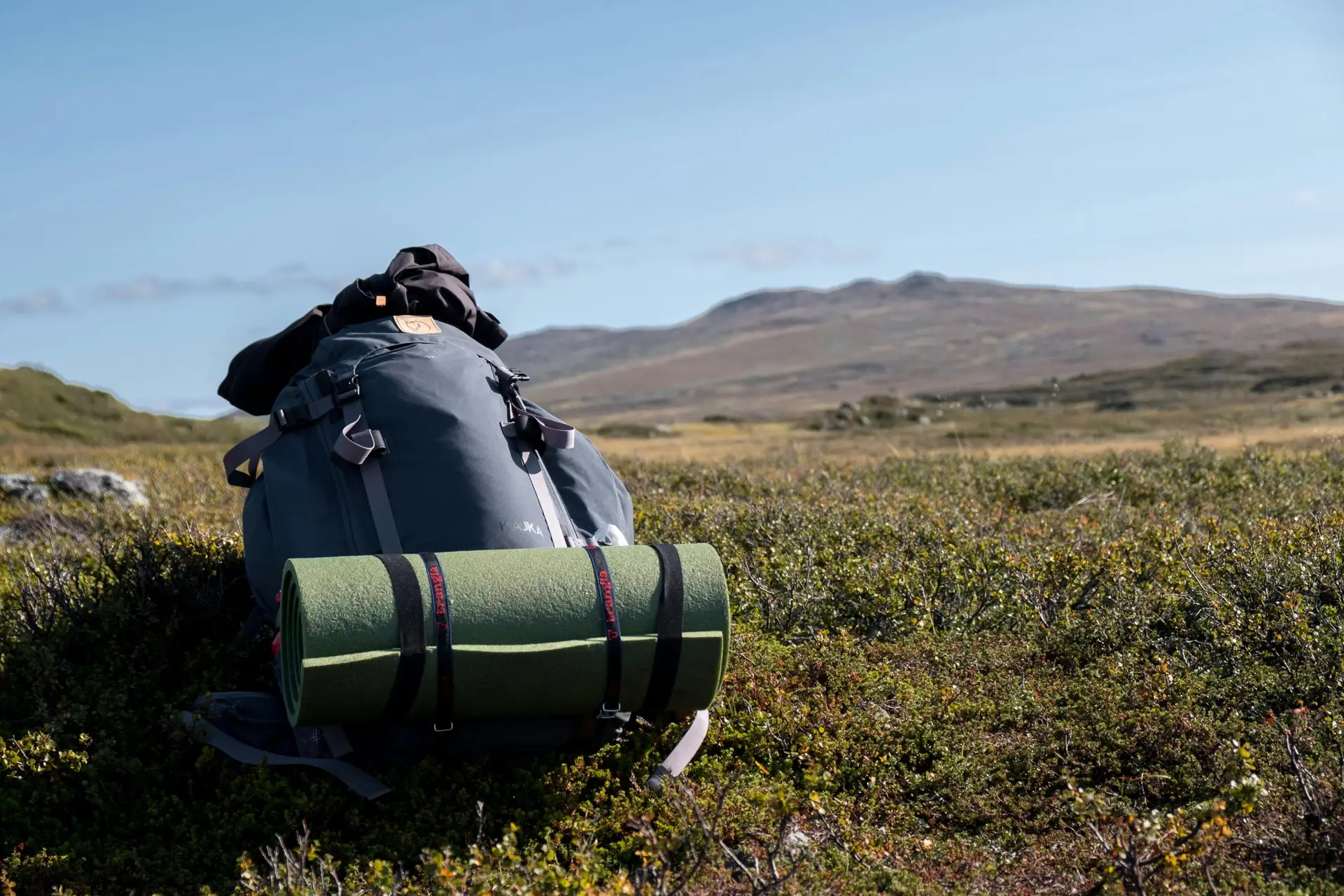
A good camping mattress decides how you feel the next morning. Too thin and you feel every stick and rock; too cold and the ground pulls the heat out of you all night. The right one depends on how you camp: what you can carry, how cold it gets and how much room you have in the car.
We’ve reviewed nine camping mattresses and sleeping pads, from a 369 g pad for hiking to a thick self-inflating mat for the rooftop tent or swag. Here’s how they compare and which one suits each kind of trip.
Quick picks: the best camping mattresses comparedQuick picks
| Product | Score | Price | Thickness | Weight | R-value | Check price |
|---|---|---|---|---|---|---|
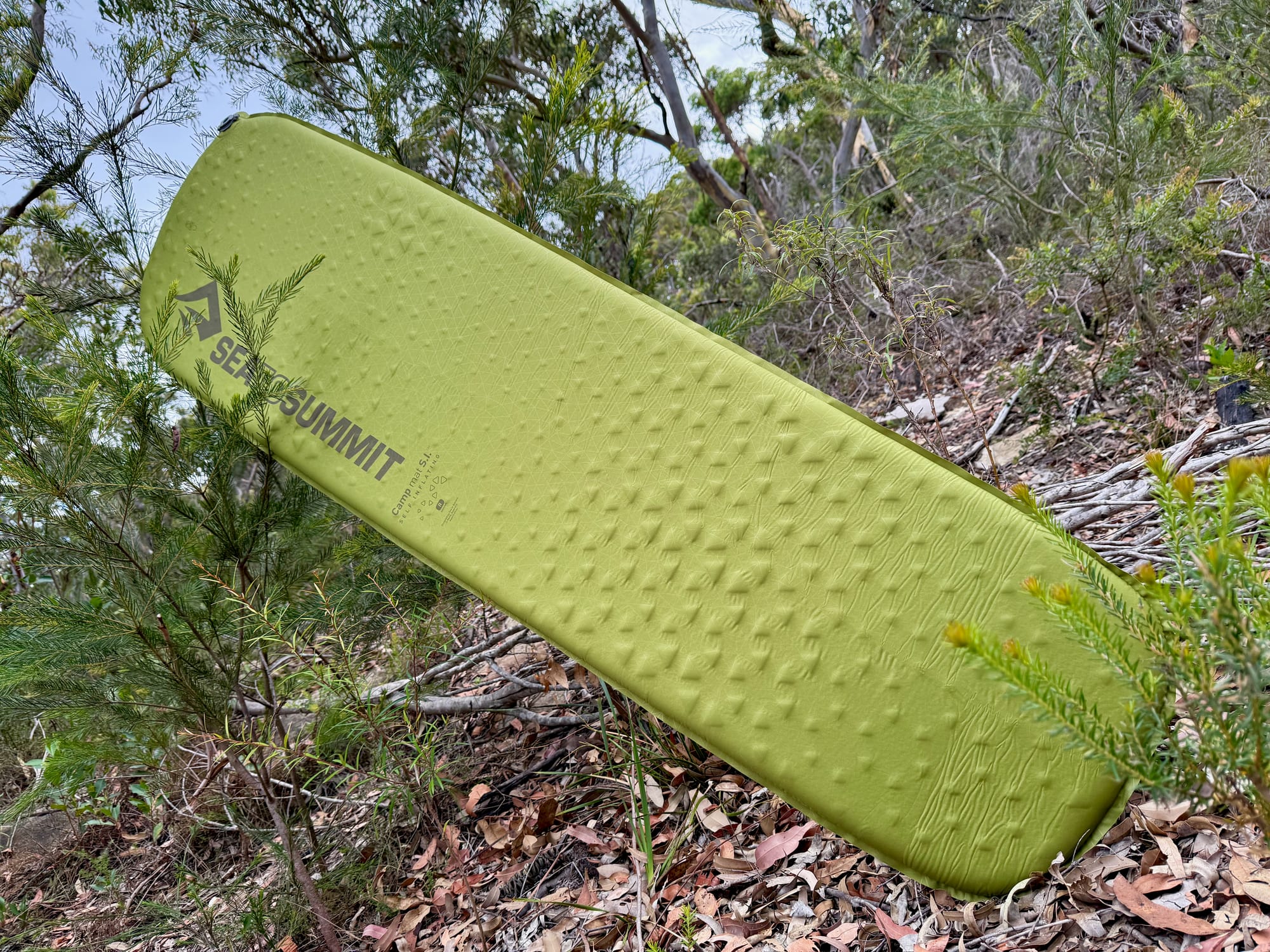
Best overallSea to Summit Camp Mat SI | 9.4 | High | 3.8 cm | 780 g | 4.2 | Check price at Amazon |
Best for hikingNEMO Tensor Ultralight Sleeping Pad | 9.2 | High | 8.9 cm | 369 g | 2.8 | Check price at Amazon |
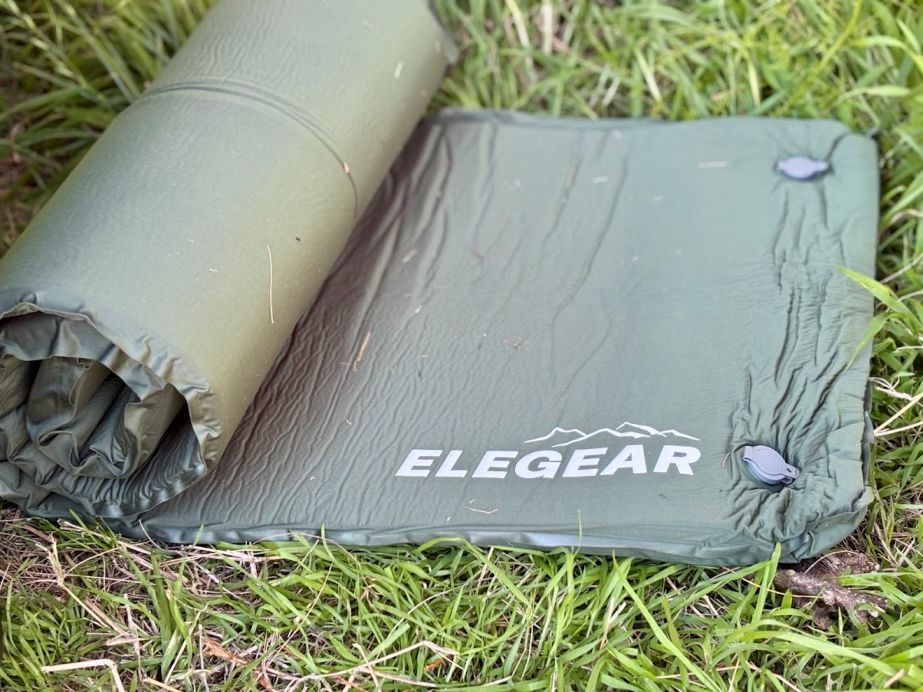
Best for car campingElegear Self-Inflating Sleeping Pad | 8.9 | Mid | 8 cm | 3.7 kg | 9.5 | Check price at Amazon |
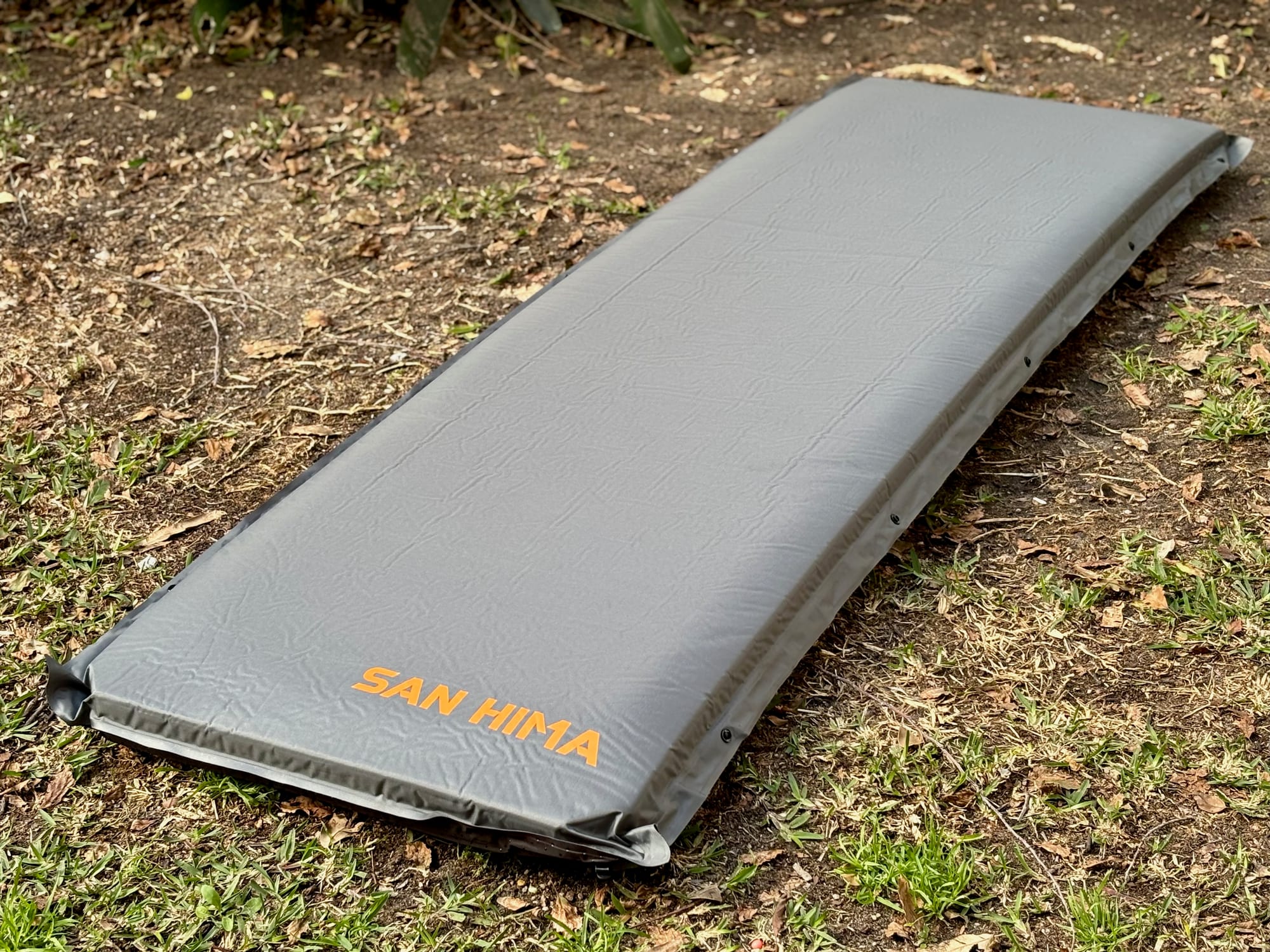
Quickest to inflateSan Hima Self-Inflating Mattress 10 cm | 8.9 | Mid | 10 cm | 3.2 kg | – | Check price at Vic Offroad |
Best insulated valueMountain Designs Airlite 5.5 | 8.8 | Mid | 5.5 cm | 600 g | 3.3 | Check price at Anaconda |
Best lightweight valueTrekology Aluft UL80 Sleeping Mat | 8.7 | Mid | 10 cm | 568 g | 1.6 | Check price at Amazon |
Best value self-inflatingNaturehike D-Series Self-Inflating Pad | 8.3 | Mid | 5 cm | 2.1 kg | 4.8 | Check price at Amazon |
Best budgetWeisshorn Self-Inflating Mattress | 8.1 | Low | 9.5 cm | 3.3 kg | – | Check price at Amazon |
Best backup padNaturehike Inflatable Sleeping Pad | 7.8 | Low | 6.5 cm | 570 g | – | Check price at Amazon |



Price bands are based on what we paid.
Best overall: Sea to Summit Camp Mat SIBest overall: StS Camp Mat
The Sea to Summit Camp Mat SI scored highest of the mats we’ve tested. It’s a self-inflating mat that’s far lighter than the other foam-filled mattresses here, and it insulates well from cold ground. The valve makes it easy to fine-tune and quick to deflate, and Pillow Lock patches keep a pillow in place.
It’s comfortable enough but not super thick, which is the trade-off for the light weight, and the Regular is on the narrow side. It’s very easy to set up with a few big breaths and easy to roll up again. For a simple, warm mat that’s light enough to carry to a walk-in campground, it’s our first choice.
Sea to Summit Camp Mat SI
Scored 9.4 out of 10Our take: A 780 g self-inflating mat with an R-value of 4.2 that’s very easy to set up and roll up again. It’s comfortable enough but not super thick at 3.8 cm, and the Regular is 51 cm wide. Read review
We may earn a commission if you buy through these links.What we like
- Set up with a few big breaths
- R-value of 4.2 for cold ground
- 780 g in Regular
- Multi-function valve
- Pillow Lock keeps a pillow in place
- Easy to roll up again
What we don’t
- Not super thick at 3.8 cm
- Regular size is 51 cm wide
Best for hiking: NEMO Tensor Ultralight Sleeping PadHiking: NEMO Tensor
The NEMO Tensor scored highest of the air pads we’ve tested. It’s light, thick and very quiet, without the crinkling of many air pads, the baffles stop it wobbling, and a pump sack comes with it.
It’s the most expensive pad here, the top fabric is thin and the mummy shape isn’t for everyone. It’s a three-season pad, not a winter one. For hikers who want real comfort at a low weight, it’s the one.
NEMO Tensor Ultralight Sleeping Pad
Scored 9.2 out of 10Our take: A light, quiet pad that's worth the money if you carry your bed. Read review
We may earn a commission if you buy through these links.What we like
- Ultralight at 369 g
- 8.9 cm thick
- Stable, no wobble
- Quiet, no crinkle
- Packs to water-bottle size
- Vortex pump sack included
What we don’t
- Thin 20D top fabric
- Mummy shape feels narrow
- 2.8 R-value limits cold use
Best for car camping: Elegear Self-Inflating Sleeping PadCar camping: Elegear
The Elegear is a thick, wide self-inflating pad with memory foam inside, and it’s by far the warmest mat here, so it keeps you warm on cold ground. The stretch-knit fabric is quiet and soft.
It’s heavy, packs large and the first inflation takes about a day. That rules it out for hiking, but for car camping, swags and rooftop tents it’s the most comfortable choice.
Elegear Self-Inflating Sleeping Pad
Scored 8.9 out of 10Our take: The pad gives very good support and warmth, and is far more comfortable than a standard thin mat. The R-value of 9.5 makes it suitable for cold weather. Read review
We may earn a commission if you buy through these links.What we like
- Comfortable 8 cm thickness
- High insulation with R-value 9.5
- 26D Hi-Tech memory foam interior
- Noiseless and skin-friendly fabric
- Dual-use valve for easy deflation
What we don’t
- Heavy at 3.67 kg
- Very slow first inflation (24 h)
- Large when packed
Quickest to inflate: San Hima Self-Inflating Mattress 10 cmQuickest: San Hima 10 cm
The San Hima is a thick self-inflating mattress that gives a lot of support, and its inflation is incredibly quick: much faster than the other self-inflating mats we’ve tested. It has a non-slip base, snap buttons to join two together, and comes with straps and a storage bag.
The single is quite small, and with this thickness it’s easy to fall off; connecting two with the snap buttons helps. It’s bulky when packed, so it’s a mattress for the car. For car campers and swag sleepers who want a thick mattress that’s ready fast, it’s a very good pick.
San Hima Self-Inflating Mattress 10 cm
Scored 8.9 out of 10Our take: A 10 cm self-inflating mattress with a lot of support and the quickest inflation of the mats I’ve tested. Read review
We may earn a commission if you buy through these links.What we like
- 10 cm thick, with a lot of support
- Inflates incredibly quickly
- Non-slip base
- Snap buttons join two together
- Quiet: no creaking when you move
- Straps and storage bag included
What we don’t
- Narrow at 184.5 × 54.5 cm
- Bulky packed: for the car only
- Not the cheapest at $90
Best insulated value: Mountain Designs Airlite 5.5Insulated value: Airlite
The Mountain Designs Airlite 5.5 is an insulated air mat for $100: PrimaLoft fill inside makes it warmer than the other air pads here, and the diamond baffles spread your weight evenly, so it suits side sleepers. It’s light, packs down small and comes with a pump sack.
It’s thinner than the NEMO Tensor and the Trekology, squeezing out the last of the air takes a little time, and if you sit upright on it you’ll feel the floor. For hikers who want a warm air mat without the premium price, it’s good value.
Mountain Designs Airlite 5.5
Scored 8.8 out of 10Our take: A 600 g insulated air mat with PrimaLoft fill, diamond baffles and a pump sack, for $100. It packs down to 28 × 11 cm and suits side sleepers. Read review
We may earn a commission if you buy through these links.What we like
- PrimaLoft fill for warmth, not weight
- Diamond baffles suit side sleepers
- Packs down to 28 × 11 cm
- Pump sack: no blowing by mouth
- Ripstop nylon, heat-welded seams
- Good value at $100
What we don’t
- Slow to squeeze out all the air
- Needs care on sharp ground
- Bottoms out when you sit on it
Best lightweight value: Trekology Aluft UL80 Sleeping MatLight value: Trekology UL80
The Trekology UL80 gives you a lot of loft for very little weight, and it packs down small. The curved sides help stop you rolling off, which suits side sleepers.
It’s narrow, needs a separate pump sack and isn’t warm enough for winter. For three-season trips on a budget, it’s a lot of comfort for the weight.
Trekology Aluft UL80 Sleeping Mat
Scored 8.7 out of 10Our take: Real comfort at a low weight, and very good value. It gives 10 cm of loft at 568 g, packs to 18.5 × 12 cm and the curved sides stop you rolling off, in tough 40D nylon. Read review
We may earn a commission if you buy through these links.What we like
- Light at 568 g
- Packs to 18.5 × 12 cm
- 10 cm of loft
- Curved sides stop you rolling off
- Big valve deflates fast
What we don’t
- Narrow at 57 cm
- R-value of 1.6: not for winter
- Pump sack not always included
Best value self-inflating: Naturehike D-Series Self-Inflating PadValue SI: Naturehike D
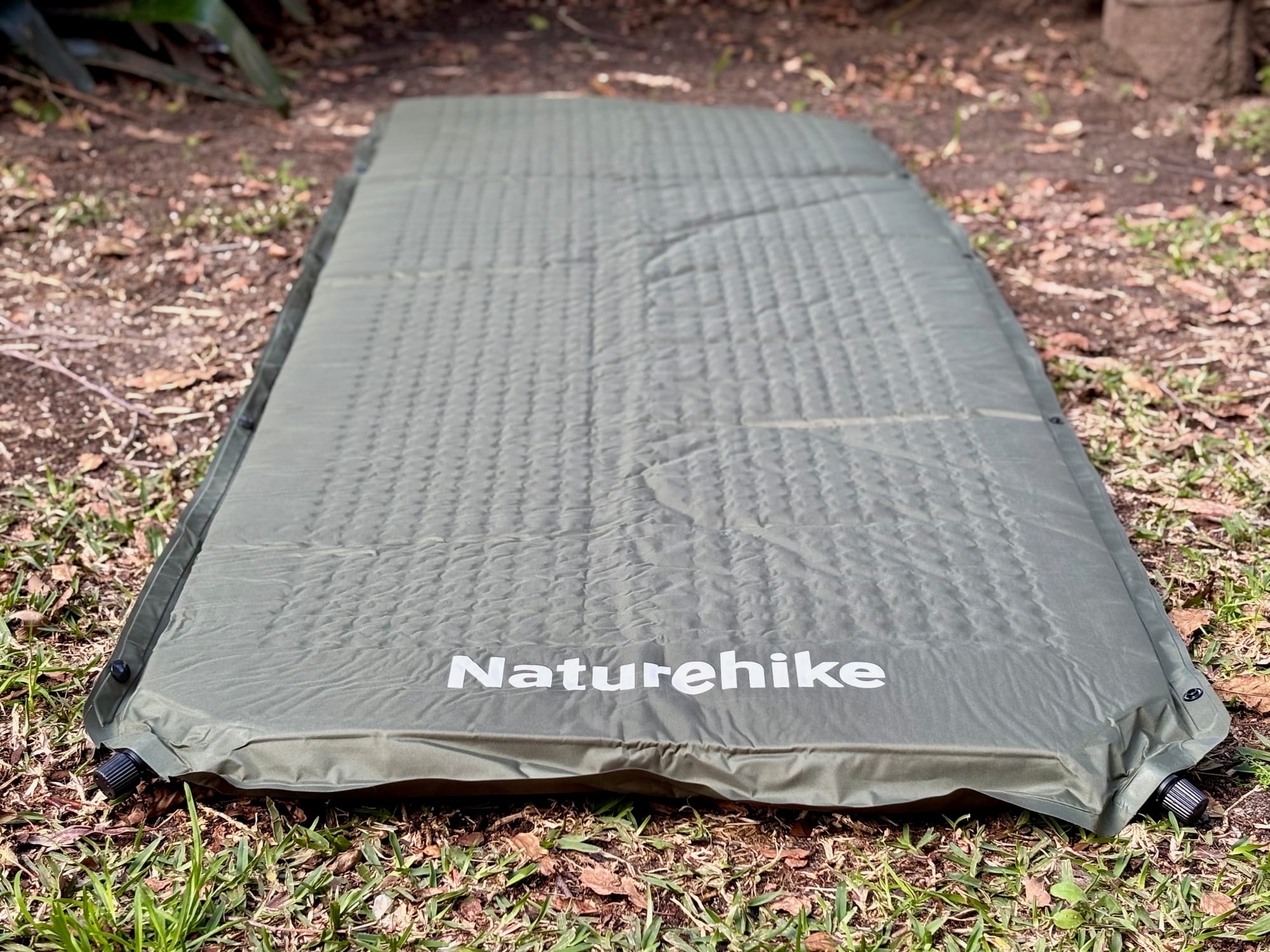
The Naturehike D-Series is a self-inflating pad that balances comfort and packed size. It’s long and wide, it’s warm, and snap buttons along the sides join two pads into a double.
The self-inflating took a really long time on the first go and only gets most of the way, so you top it up yourself, and it’s a mat for the car, not the backpack. For campers who want comfort without a bulky mattress, it’s good value.
Naturehike D-Series Self-Inflating Pad
Scored 8.3 out of 10Our take: A 5 cm pad with a good balance of comfort and packed size. It's long and wide at 200 × 63 cm, insulates well from cold ground with an R-value of 4.8 and packs to 20 × 32 cm, for $60. Read review
We may earn a commission if you buy through these links.What we like
- 5 cm of comfort that still packs
- Packs down to 20 × 32 cm
- Long and wide at 200 × 63 cm
- R-value of 4.8 for cold ground
- Snap buttons join two into a double
- Good value at $60
What we don’t
- Slow to self-inflate the first time
- Self-inflates to about 70% only
- 2.14 kg: for the car, not the pack
Best budget: Weisshorn Self-Inflating MattressBest budget: Weisshorn
The Weisshorn is a thick self-inflating mattress with a soft, grippy flocked top that doesn’t sag overnight. The valves do most of the inflating, and it’s a good size for a single swag or tent.
It’s heavy, takes a fair bit of space when rolled and is noisy if you move a lot. It’s an affordable step up from a thin mat for short trips by car.
Weisshorn Self-Inflating Mattress
Scored 8.1 out of 10Our take: A comfortable, reliable self-inflating mattress for a budget price. Read review
We may earn a commission if you buy through these links.What we like
- 9.5 cm of foam
- Inflates in under a minute
- Soft, grippy flocked top
- Doesn’t sag overnight
- Snap buttons join two mats
What we don’t
- PVC base is a bit noisy
- Bulky when rolled
- Flocked top attracts dirt
Best backup pad: Naturehike Inflatable Sleeping PadBackup pad: Naturehike
The Naturehike inflatable pad is light, packs away very small, inflates quickly and comes with a repair kit. It’s the cheapest pad we’ve reviewed.
There isn’t much padding and the thin material can be fragile, so it’s best on soft ground. It scored lowest here for comfort and durability. Keep it as a backup or for minimalist trips.
Naturehike Inflatable Sleeping Pad
Scored 7.8 out of 10Our take: The Naturehike Nylon TPU Sleeping Air Pad is dependable, very light and good for the price. It packs very small, which suits minimalist trips. Read review
We may earn a commission if you buy through these links.What we like
- Weighs only 570 g
- Packs away extremely small
- Quick and easy to inflate/deflate
- Comes with a repair kit
- Great for minimalist trips
What we don’t
- Thin material can be fragile
- Not much padding for comfort
- Best for use on soft ground
How to choose a camping mattressHow to choose
Start with how you camp. If you carry the mattress on your back, weight and packed size come first; in a car, a swag or a rooftop tent, you can have a thick, warm mat that sleeps more like a bed. Side sleepers need more thickness than back sleepers to keep hips and shoulders off the ground.
Then check how warm it is: the R-value tells you how well a mat insulates you from the cold ground. Camping mattresses come in three types:
- Air pad
600 g or less
The lightest and smallest to pack. You blow it up or use a pump sack.
ThicknessAround 5–10 cmWarmthCheck the R-value: some are for summer only - Self-inflating
0.8–2.5 kg
Foam inside makes it warmer, quieter and more forgiving than an air pad.
ThicknessAround 4–5 cmWarmthWarm, thanks to the foam - Car camping
3 kg+
A thick self-inflating mattress that sleeps most like your bed at home.
ThicknessAround 8–10 cmWarmthWarmest of the threeLike
Also check
- R-valueAround 1.5–3 covers the warmer months; for cold nights look for 3.5 or more. See R-values explained.
- WidthNarrow pads, under 60 cm, save weight; wider mats give you room to roll over.
- Side sleepersLook for 8 cm or more, so your hips and shoulders don’t touch the ground.
- Packed sizeIn the car, how much space the rolled mat takes matters more than its weight.
To round out your sleep gear, pair your mattress with a camping pillow, such as this washable memory foam pillow, and one of the sleeping bags we’ve reviewed. New to remote touring? Our beginner’s guide to 4WD touring helps you prepare before hitting the road.
Blowing up a big air mat by mouth takes a while and puts moisture inside it. We use the Flextail Tiny Pump: 80 g, it fills a mattress in about a minute and a half and deflates it again when you pack up.
How we test
We buy the gear ourselves and take it on camping trips around Australia to put it to the test in real outdoor conditions, in the 4WD and at camp, and to see how it holds up over a few trips. We weigh everything on our own scale and photograph it ourselves. If we haven’t used something, we say so, and if anything fails later on, we update the review.
Scored out of 10 on
- Ease of use
- Performance
- Portability
- Durability
- Value