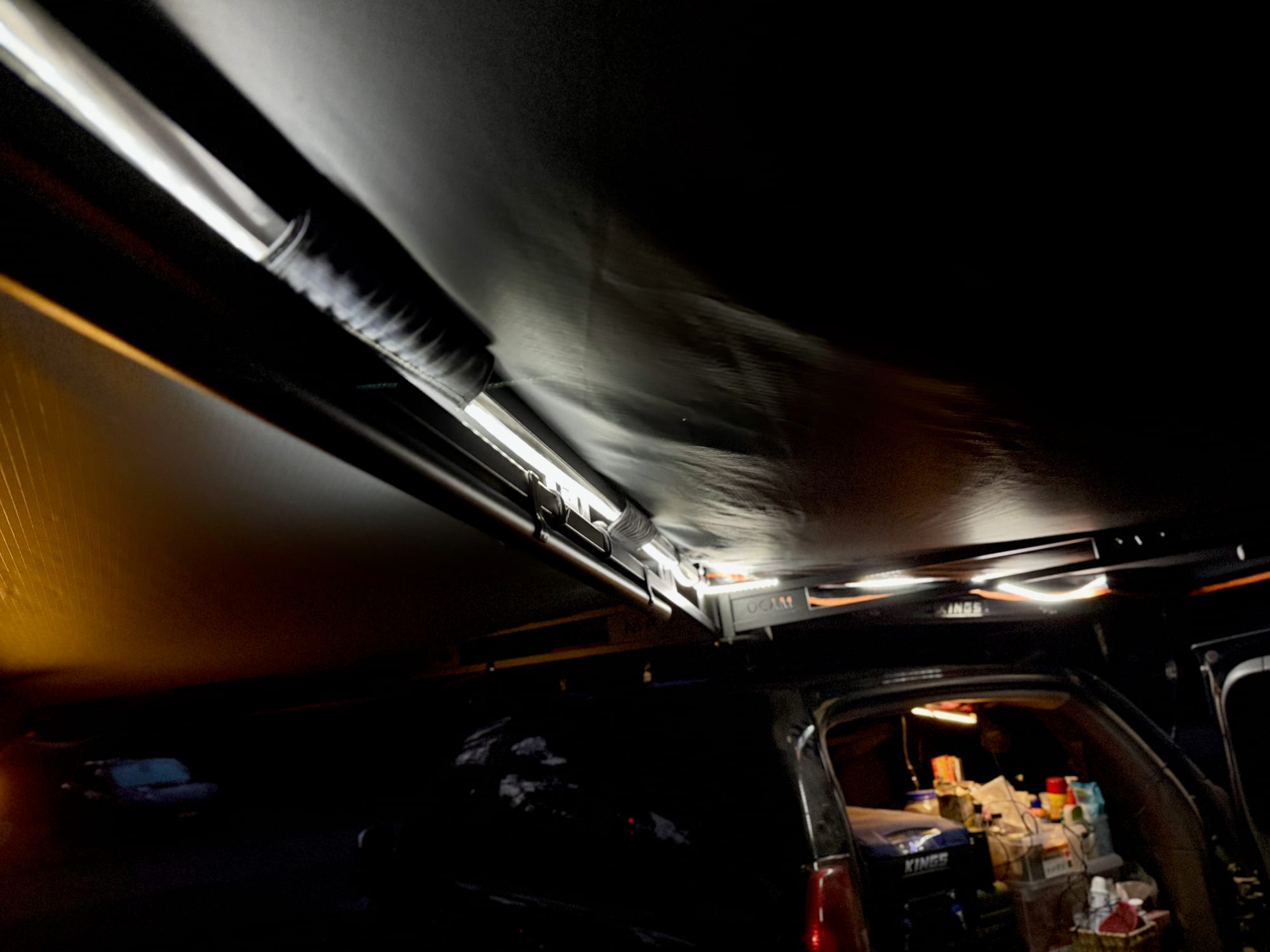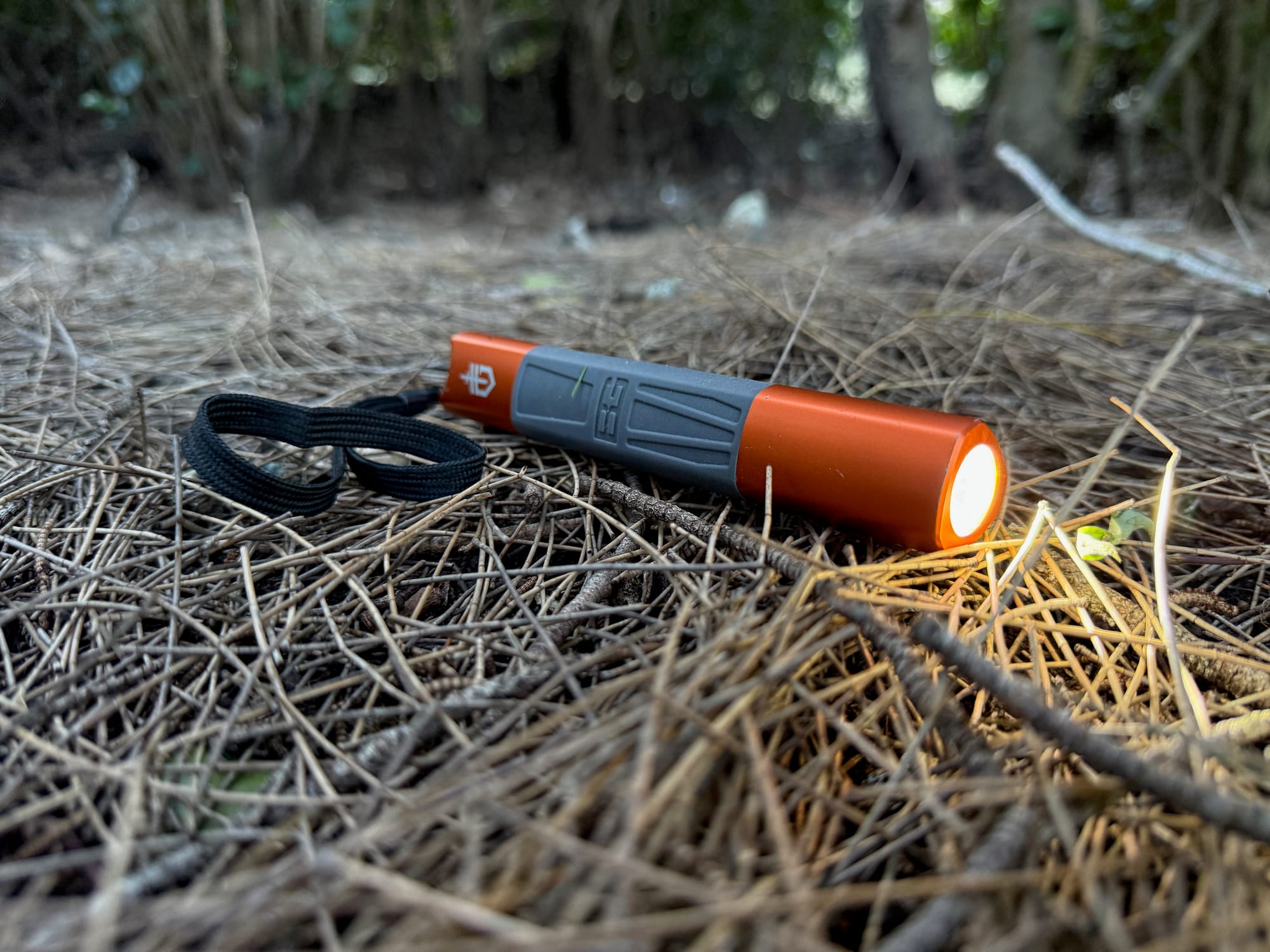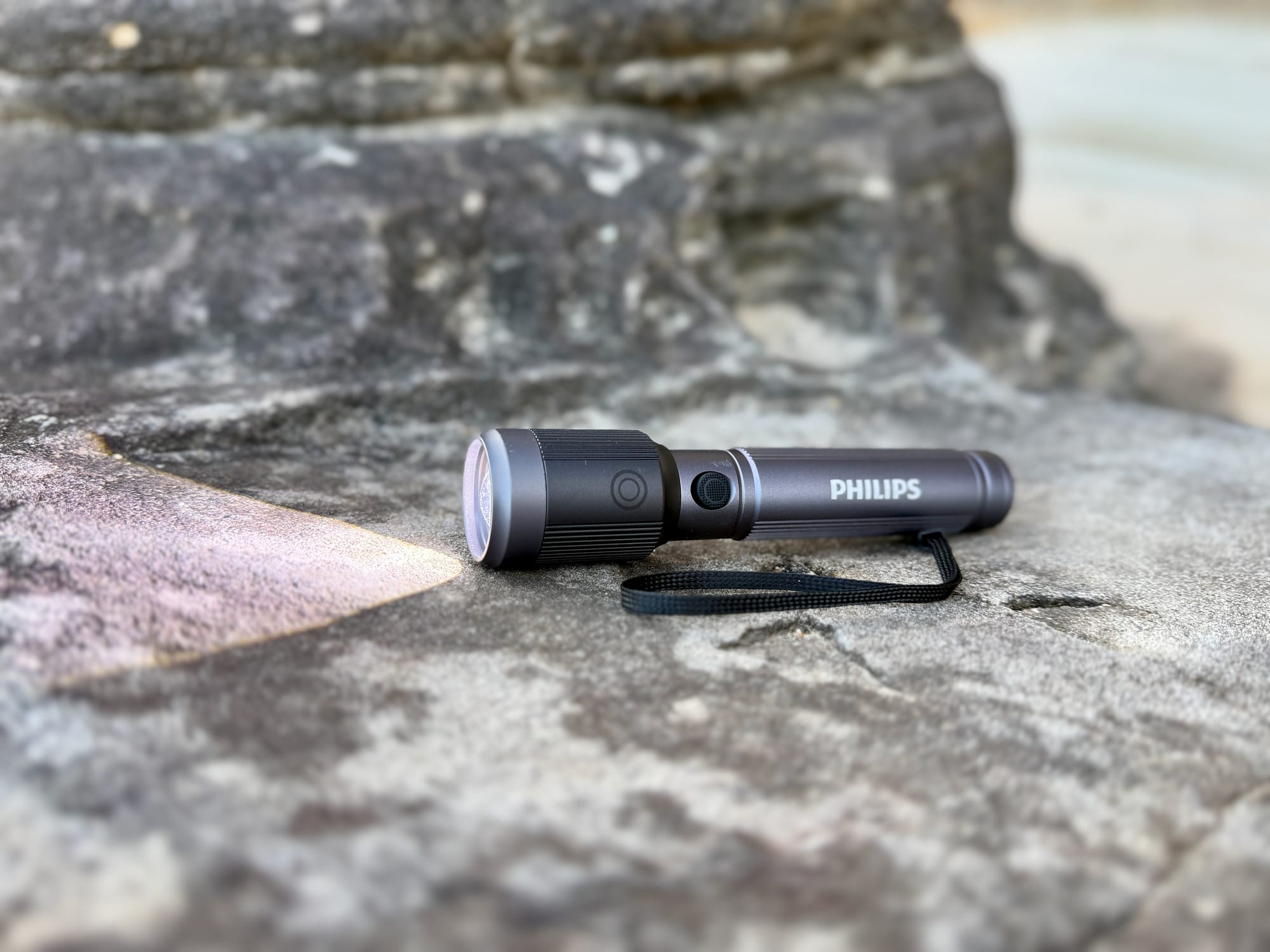
Not all white light is the same. A cool white that’s great for spotting a track sign 100 metres away feels harsh when you’re cooking dinner, and a bright light that’s perfect for packing up pulls in every bug in the area once you sit down. The colour of a light matters as much as how bright it is. Here’s how to read the K number on a light and pick the right colour for each job at camp.
What the K number means
Light colour is measured in kelvin (K). The lower the number, the warmer and more orange the light; the higher, the cooler and whiter, with a hint of blue at the top.
Most lights only give the K number for their white light, and often only as “cool white” or “warm white”. If a light has an amber mode, that’s the warm end; if it says neutral white, it’s around the middle.
- 1500K
- 2700K
- 4000K
- 5700K
- 6500K
Red light sits off this scale: it’s a colour of its own, used for night vision.
The scale splits into three ranges, each handy for different jobs at camp:
- Amber and warm
1,500–3,000K
Soft and easy on the eyes once it’s dark, with fewer bugs around the light.
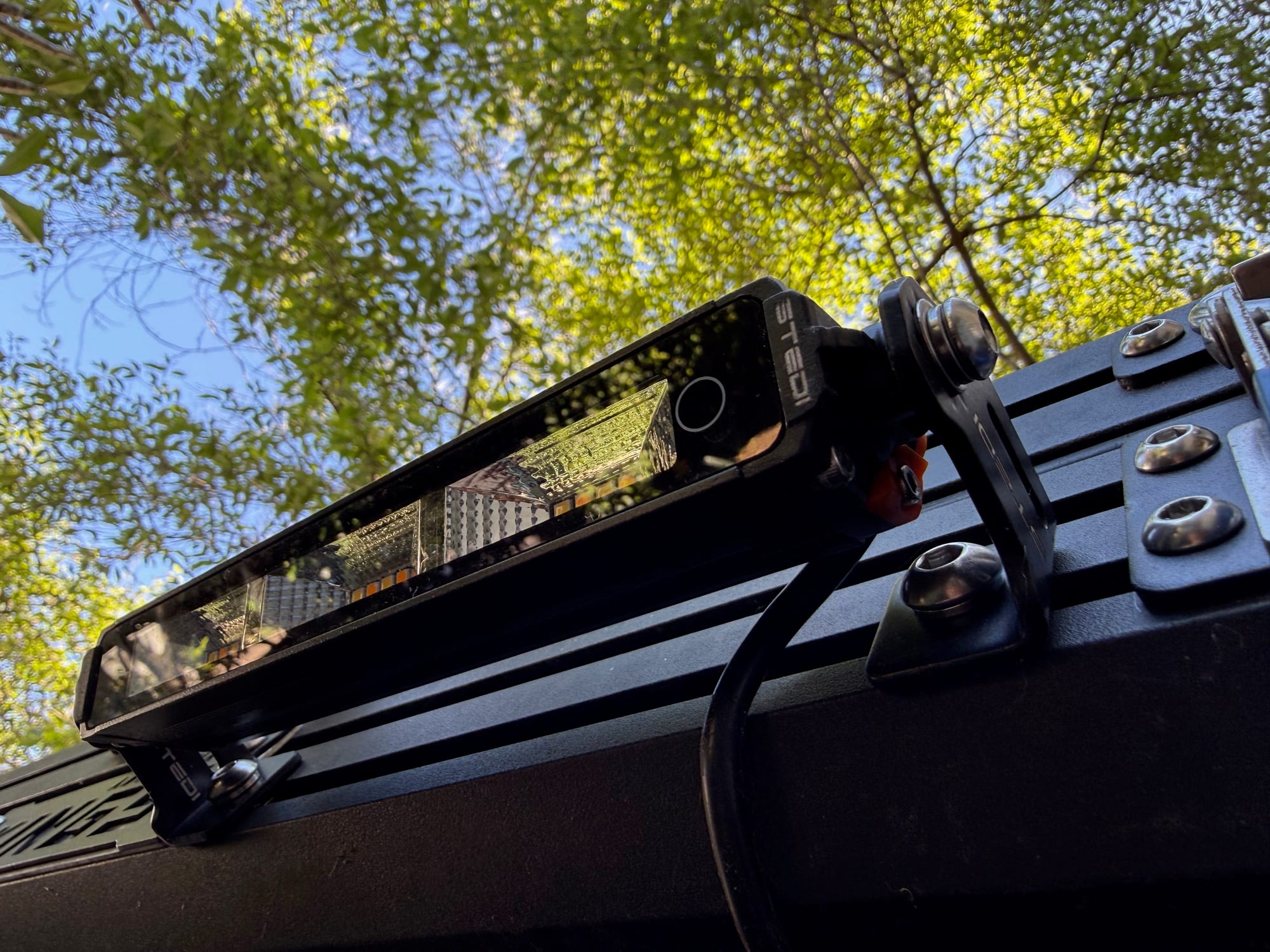
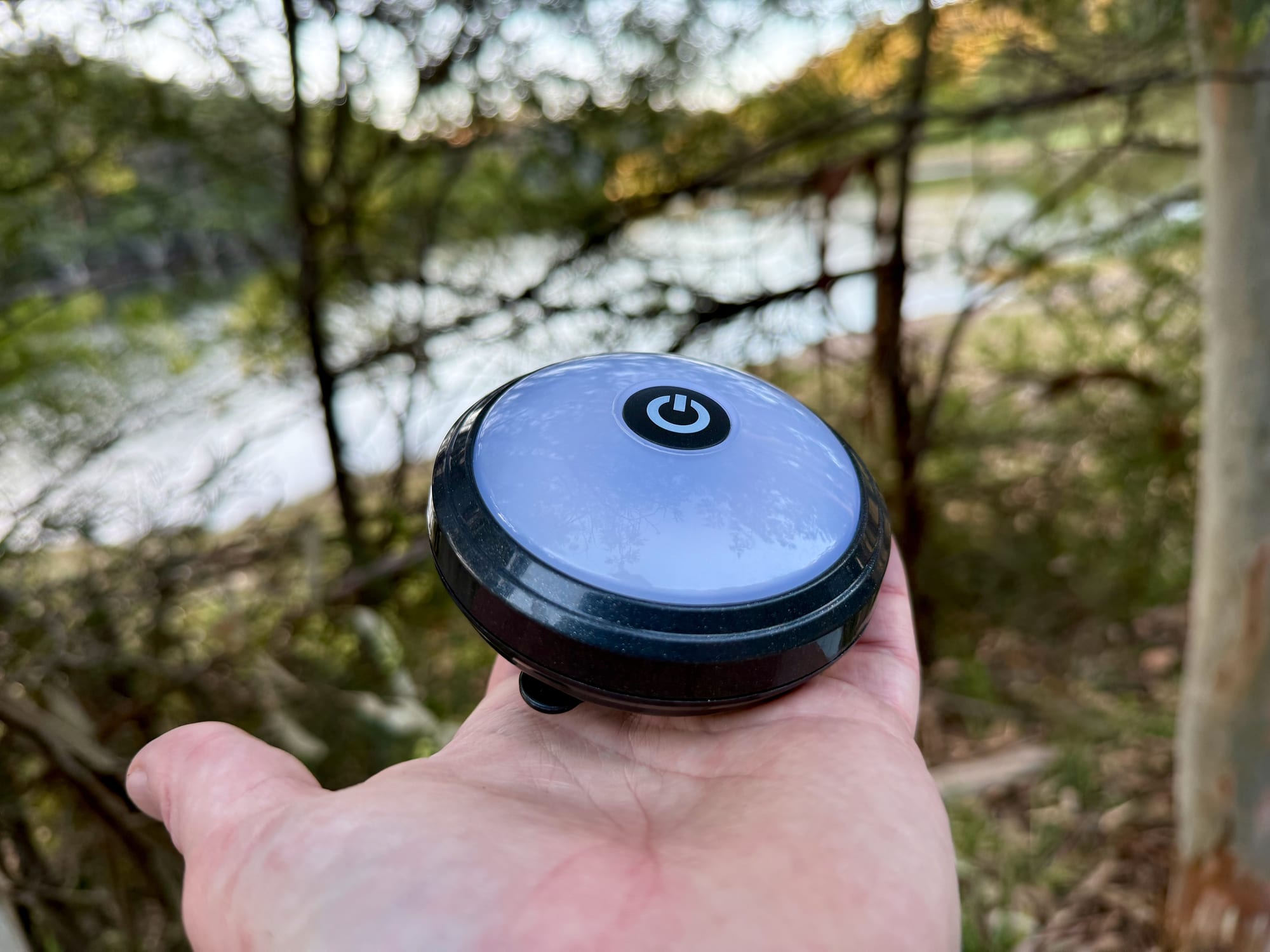
Handy forSitting around camp at night, the awning, the tentLikeStedi Micro Touch (amber), OZtrail camp light - Neutral white
3,500–4,500K
Bright without the glare, and colours look the way they should.
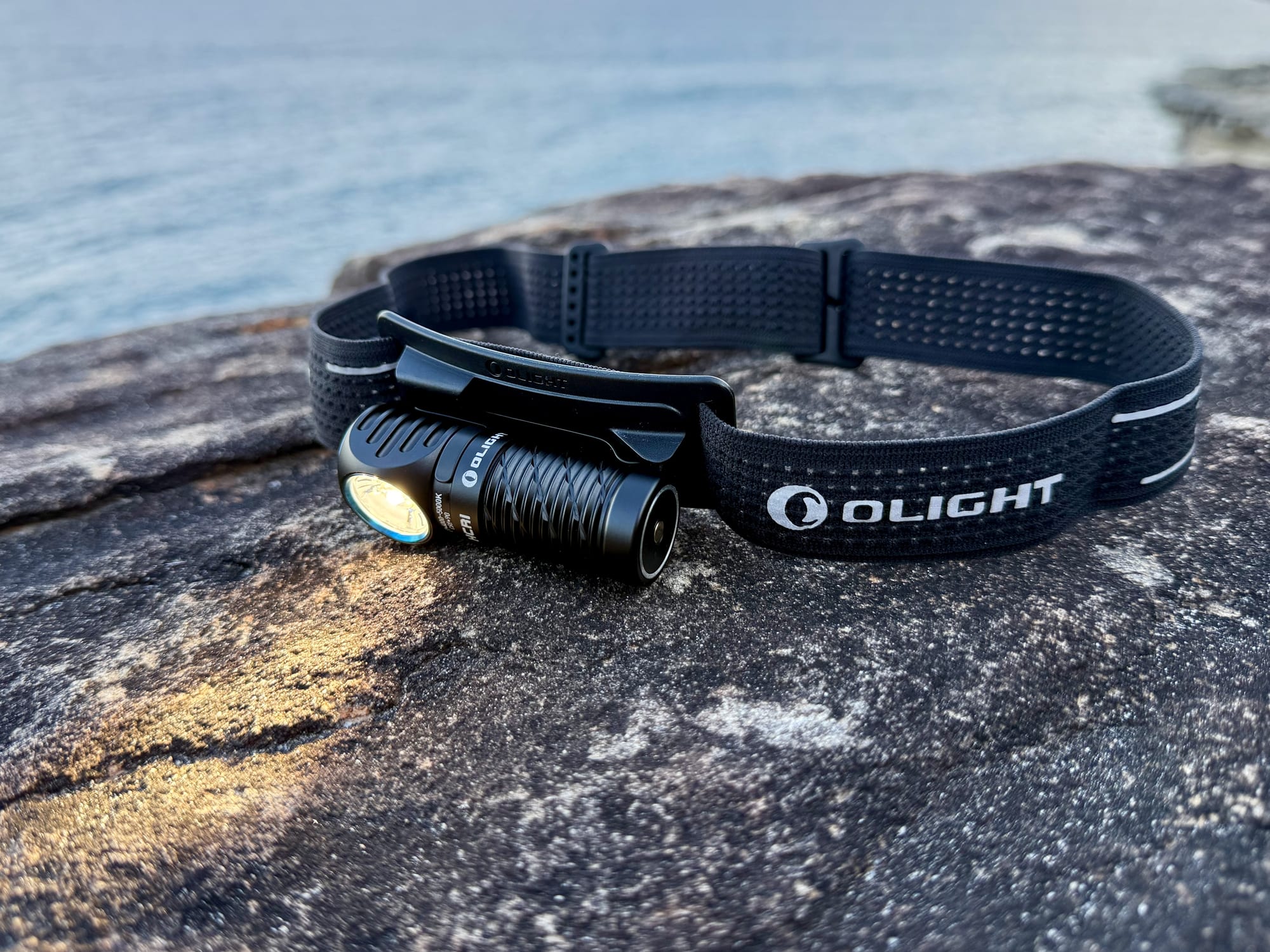
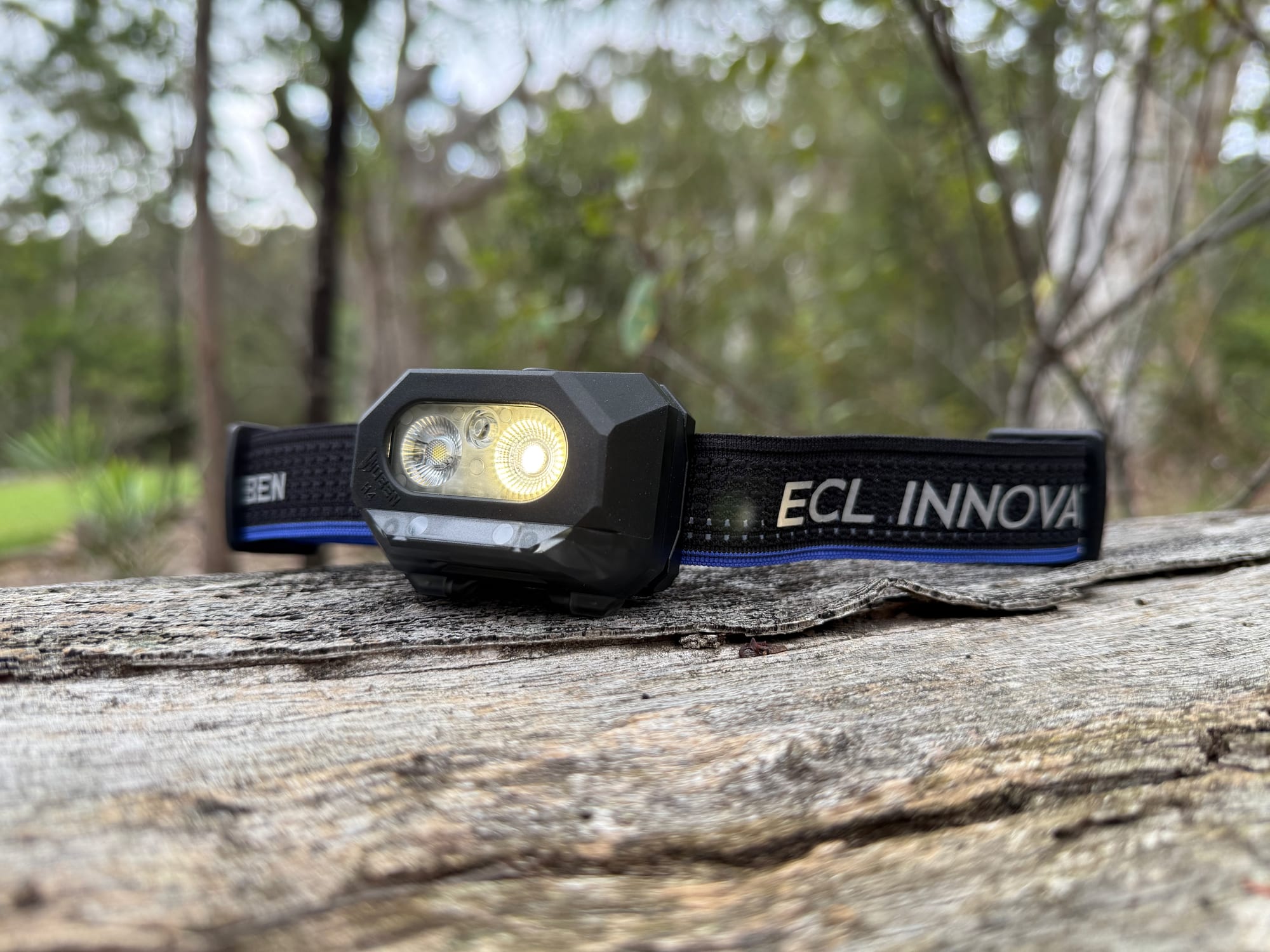
Handy forCooking, first aid, packing and reading a mapLikeOlight Perun 3 Mini, Wuben H4 (flood) - Cool white
5,000–6,500K
Reaches furthest, but harsh up close and it pulls in the bugs.
Handy forWalking a track, finding something in the darkLikeOlight Javelot Pro 2, Wuben H4 (spot)
Which colour for which job
There’s no single best colour. Each one suits a different job at camp, and red and a mix of amber and white are worth knowing too:
Warm light around camp
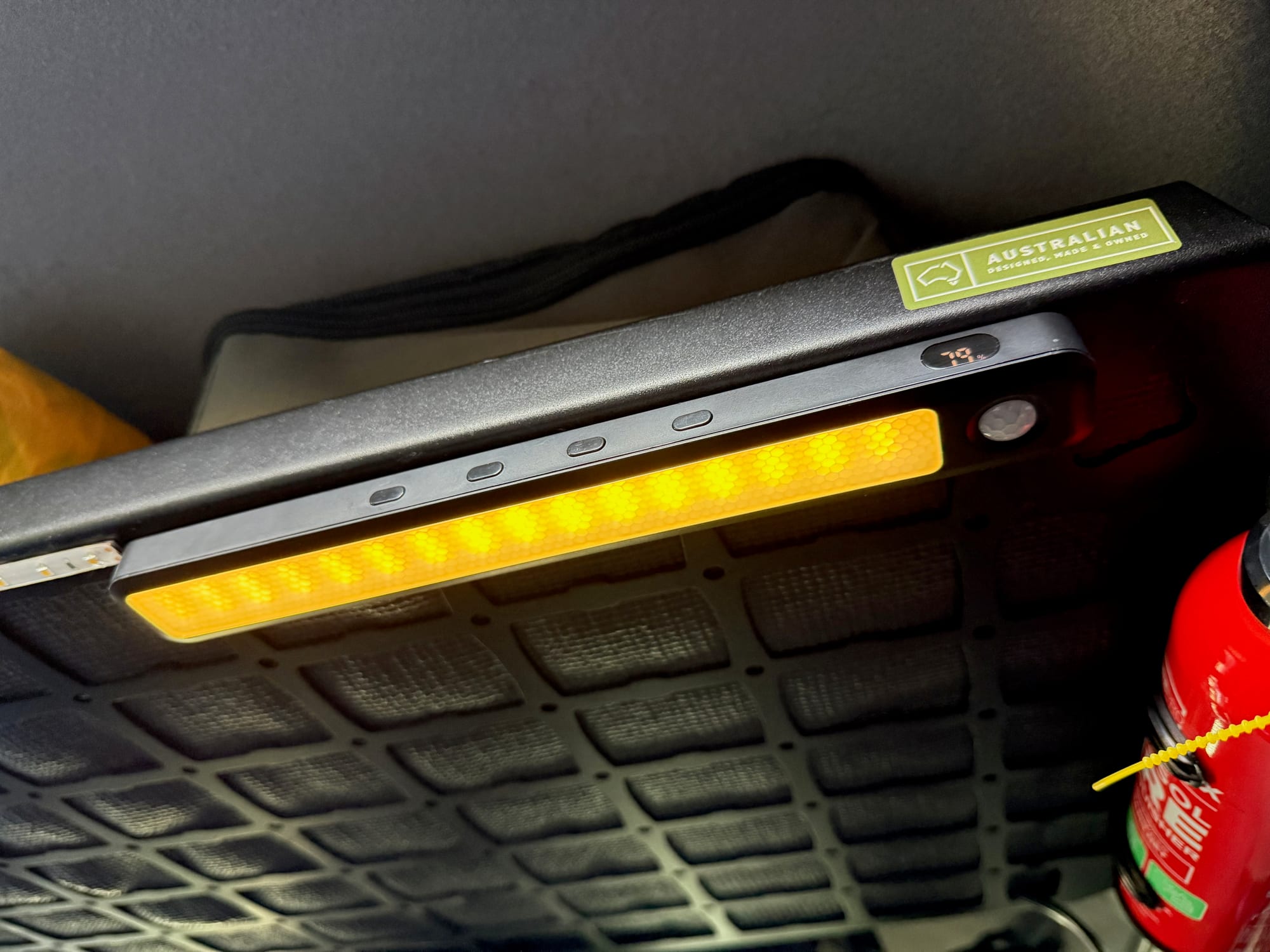
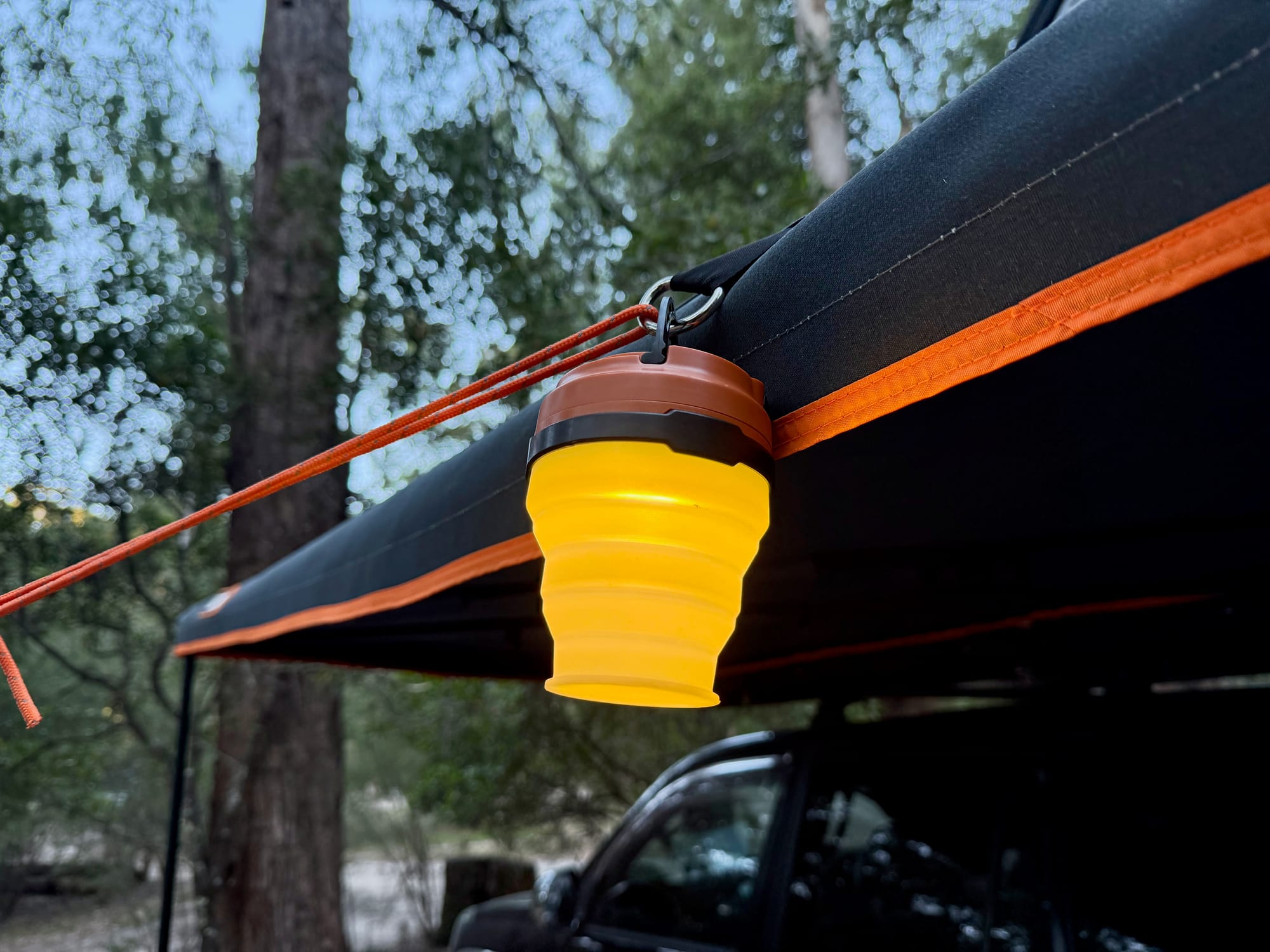
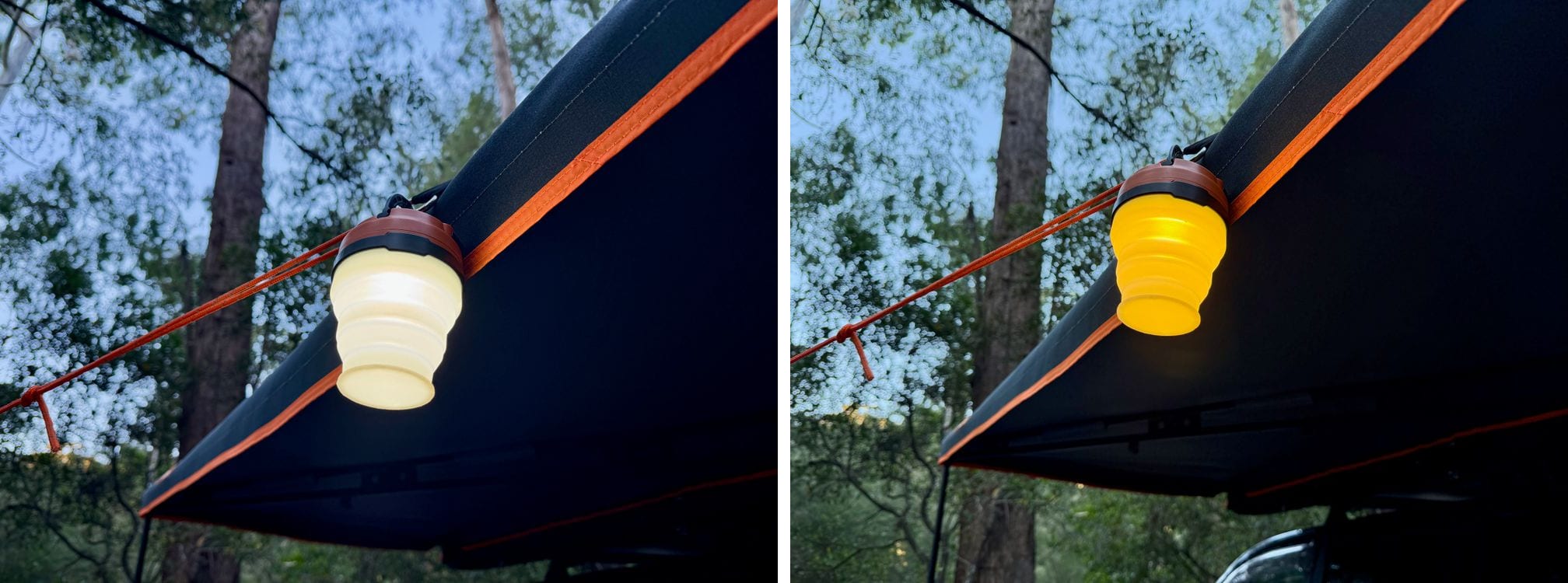
Amber is the warm end of the scale, around 1500K on our Stedi Micro Touch. It’s soft and easy on the eyes once it’s dark, and it doesn’t draw bugs the way white does: on our OZtrail camp light the amber setting attracts fewer bugs than the white. The catch is that everything looks orange, so it’s harder to read a label or check what you’re cooking.
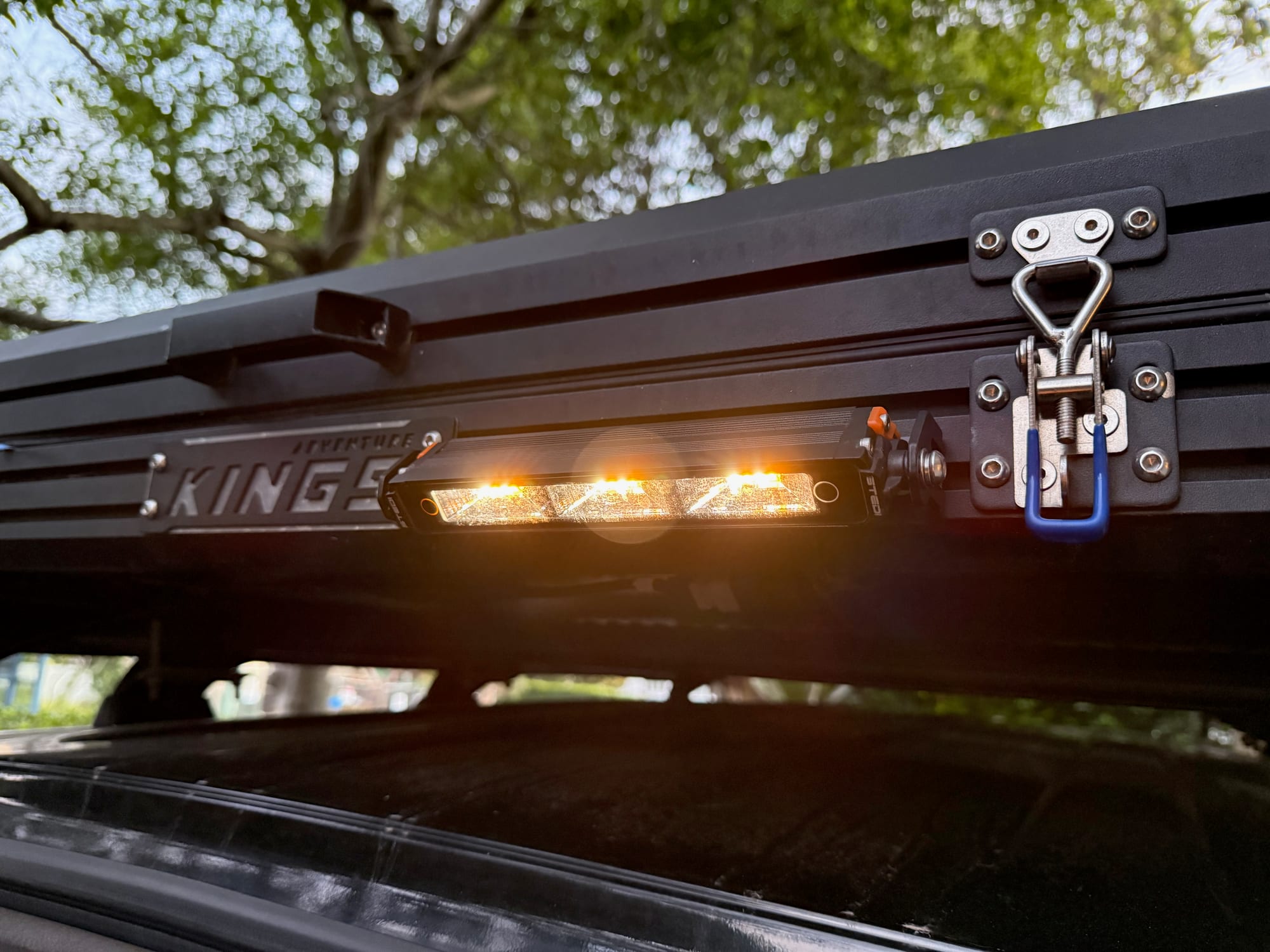
For cooking, first aid and the tent, a neutral white around 4000K is the most useful all-rounder. Our Olight Perun 3 Mini head torch is the neutral white version with a high colour rendering (CRI 90), so food, maps and a first aid kit look the way they should, and the Wuben H4 has a 4000K flood for around camp. With a dual colour light like the Stedi you can also mix the two: we find an almost even balance of amber and white gives a nice warm light at the back of the car. Even a small lantern like the Darche compact solar light feels very different on white and on warm white.
Cool white and red
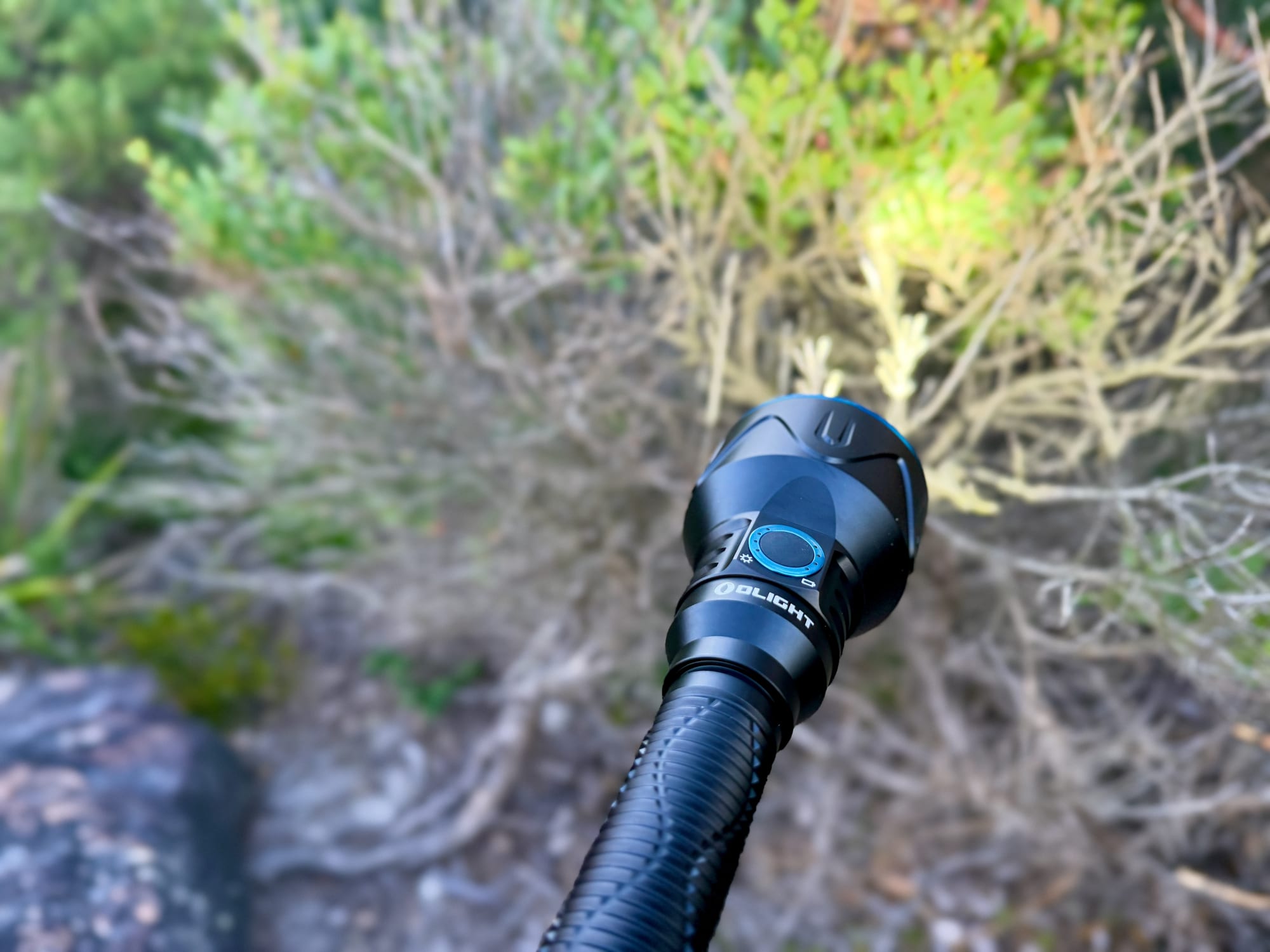
Cool white, from about 5700K up, reaches furthest. The Wuben H4’s 6500K spot is the one for walking a track, and our Olight Javelot Pro 2 squeezes its cool white LED into a tight spot that reaches up to 1,050 metres. Up close it’s harsh, though: the cool white of our Olight Warrior 3S and Wuben G5 makes colours look washed out next to a warmer light, so use it for distance and quick jobs.
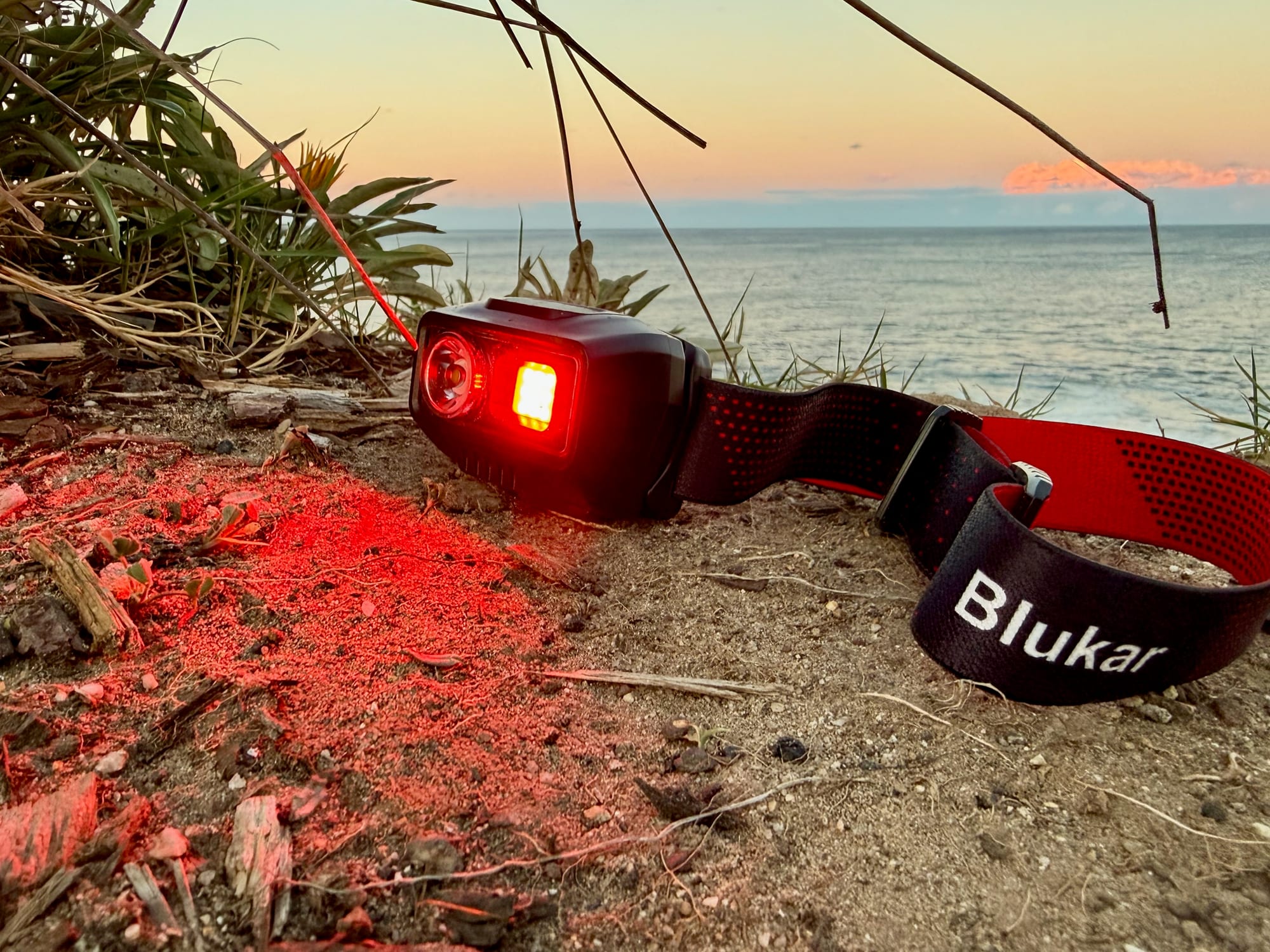
Red sits off the kelvin scale, but almost every head torch we’ve tested has one, like our Blukar K9111. It keeps your night vision, doesn’t dazzle the person across the fire and draws fewer insects, so it’s the one for around the campfire, getting into the tent or a late trip to the toilet.
Summary
Check the K number: low is warm, high is cool. Use amber around camp at night for a soft light with fewer bugs, neutral white for cooking and the tent, cool white when you need to see far, and red on your head torch to keep your night vision. These are the lights we use to cover all of it: the Stedi Micro Touch for the back of the car, the OZtrail as a small amber camp light, and the Perun 3 Mini and Wuben H4 head torches.
Do's
- Do switch to amber once it's dark
- Do pick neutral white for cooking
- Do use red on your head torch at camp
- Do check the K rating before you buy
Don'ts
- Don’t light camp with harsh cool white
- Don’t shine a white head torch in faces
For more lights, see our camping lights guide and head torch guide.
Recommended gear
Gear from our own reviews that goes with this guide.