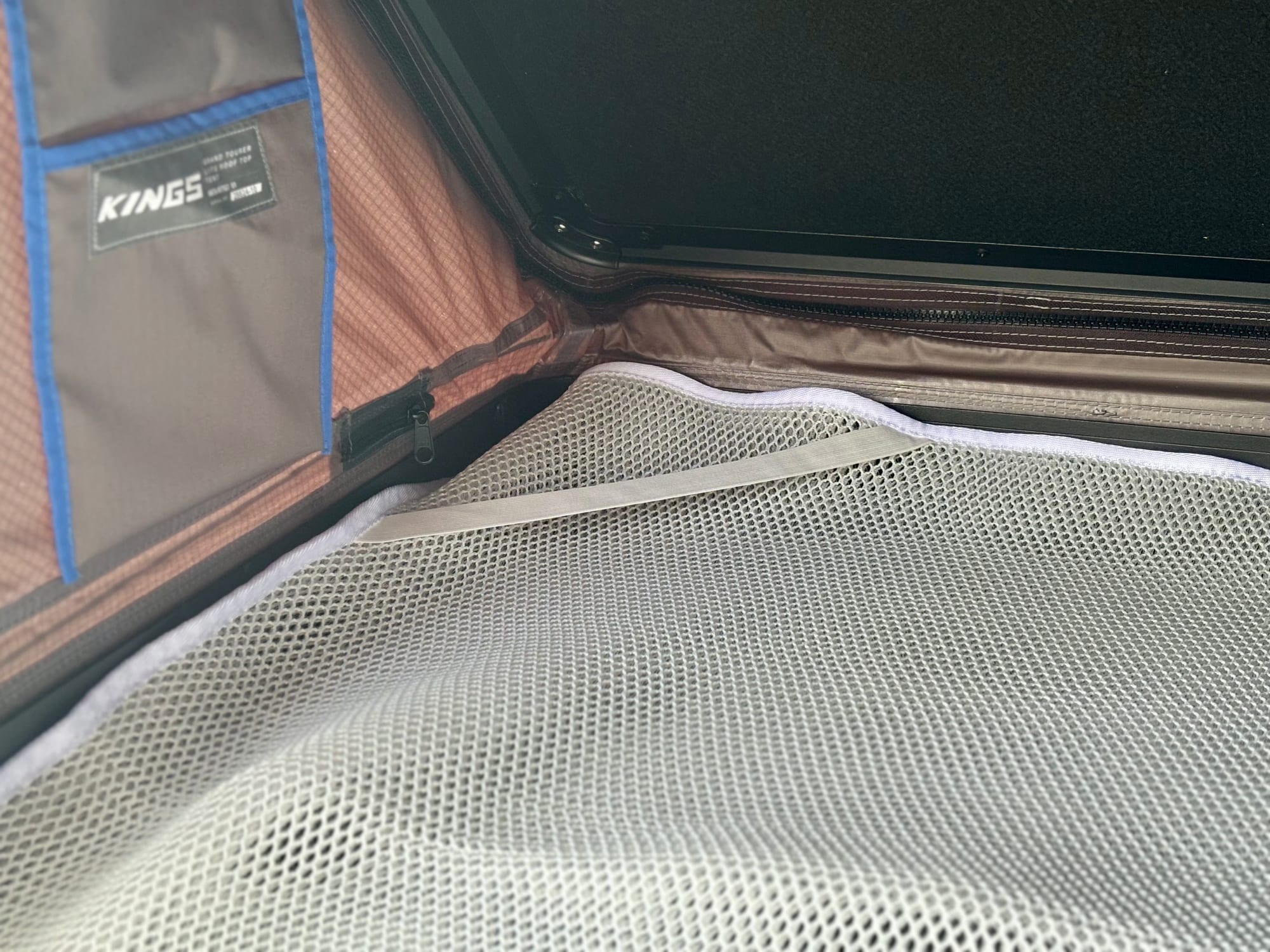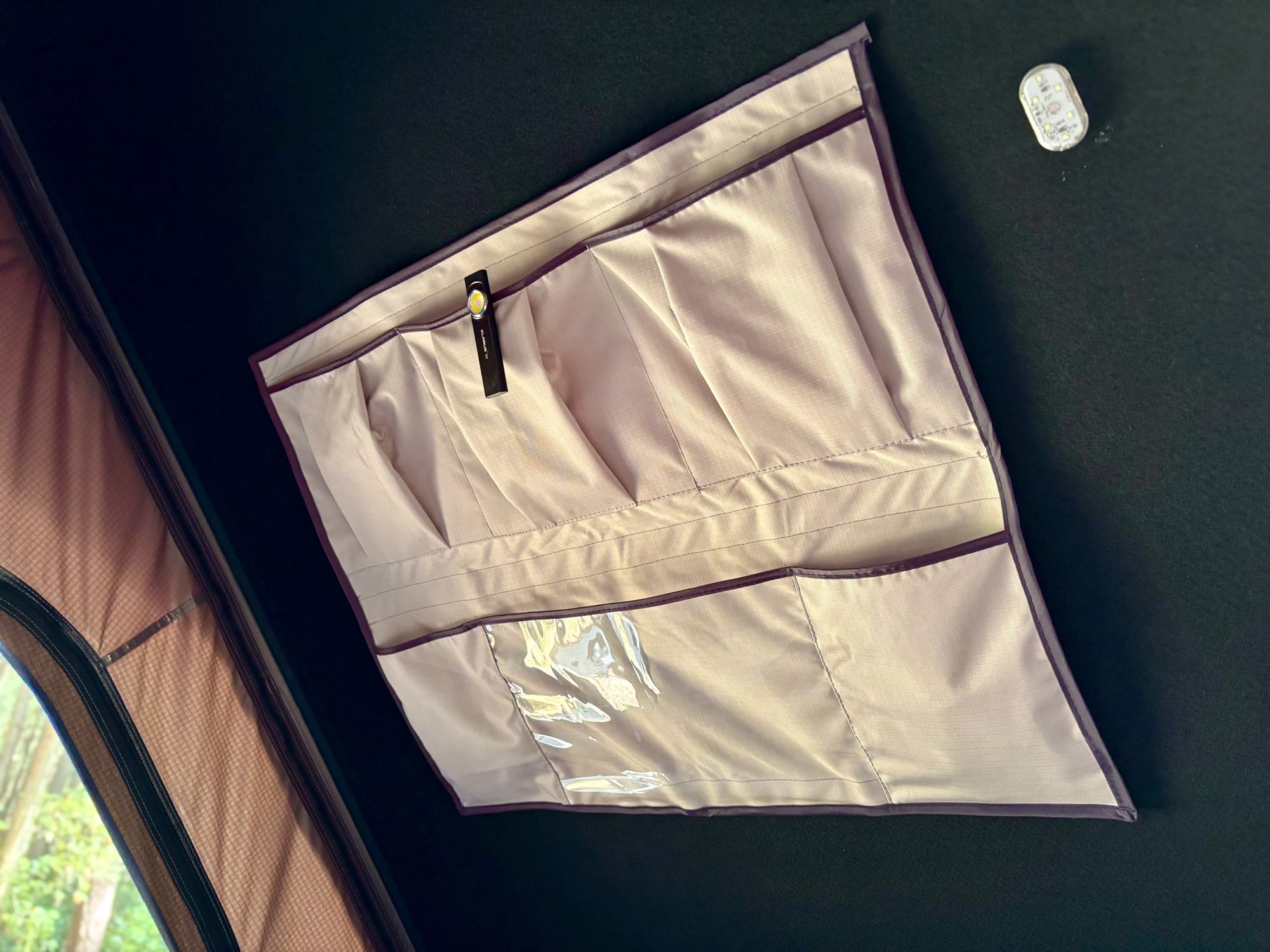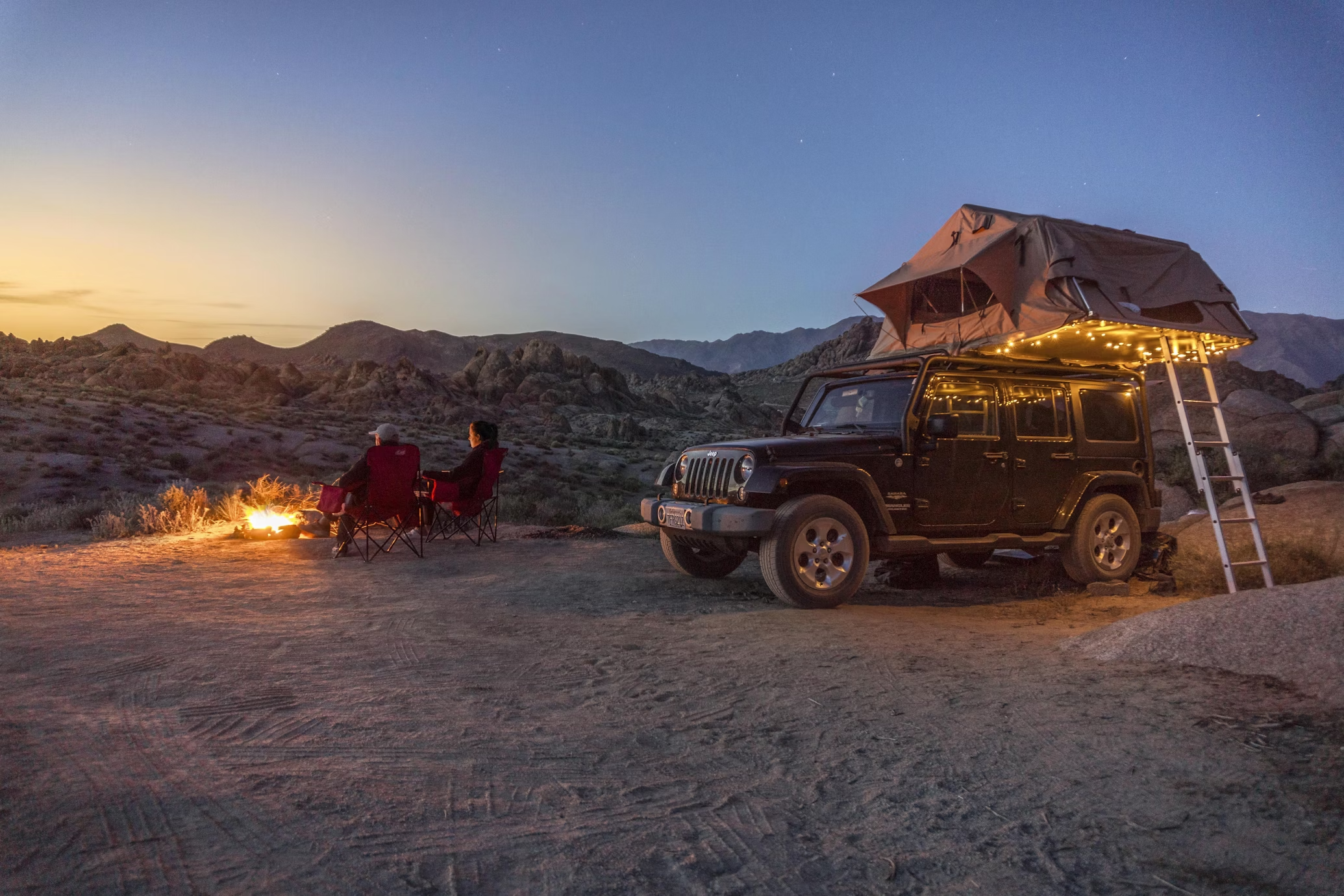
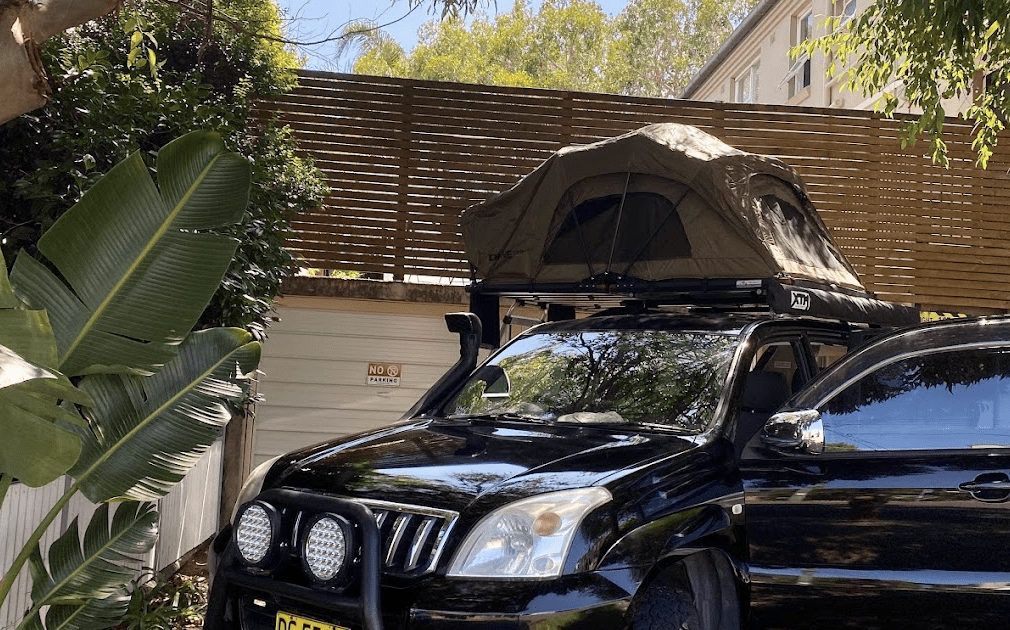
After years of wrestling with ground tents, I made a change. Air mattresses always went flat. Unwelcome visitors were common. I finally jumped to a rooftop tent. Best decision for my back, truly. I’ve spent countless nights up high. My trusty Prado was my base. This gives me plenty of experience for an Australian rooftop tent review.
I’ve camped from Sydney’s coast to the Blue Mountains. I’ve tried different setups along the way. This gives me plenty for an Australian rooftop tent review. Let’s discuss what I’ve learned. What works and what doesn’t? Why do some cost so much?
Quick Picks & Comparing the best rooftop tentsQuick picks
Check out this quick list of the best rooftop tents or continue scrolling to see our full list of favourites with in-depth reviews.
| Product | Score | Price | Weight | Mattress | Setup | Check price |
|---|---|---|---|---|---|---|
Best overallKings Grand Tourer Lite | 9.4 | Mid | 70.0 kg | 50 mm | 25 sec | Check price at Amazon |
Most comfortableKings Grand Tourer MK3 | 8.9 | High | 95.0 kg | 75 mm | 30 sec | Check price at Amazon |
Best lightweightDune 4WD Nomad Lite | 8.8 | Mid | 45.5 kg | 50 mm | < 5 min | Check price at Anaconda |
Best budgetAdventure Kings Tourer | 7.9 | Low | 57.0 kg | 70 mm | < 3 min | Check price at Amazon |

Price bands are based on what we paid.
Best overall: Kings Grand Tourer LiteBest overall: GT Lite
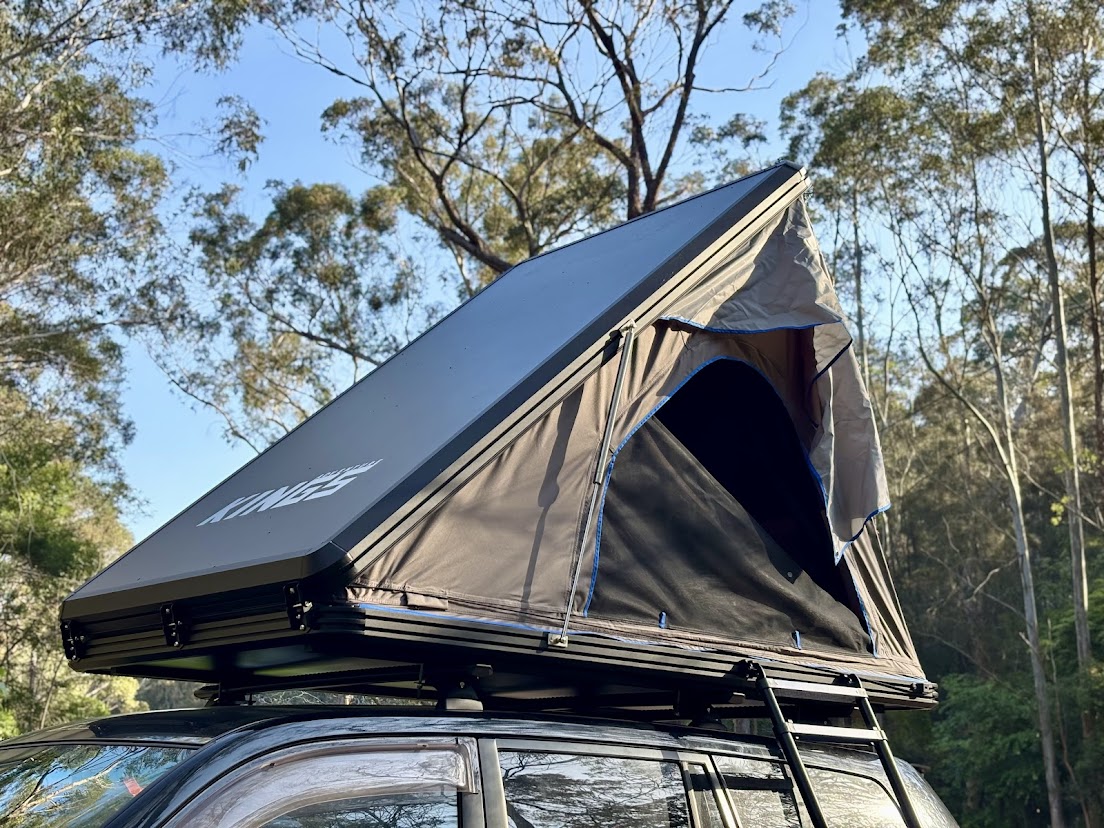
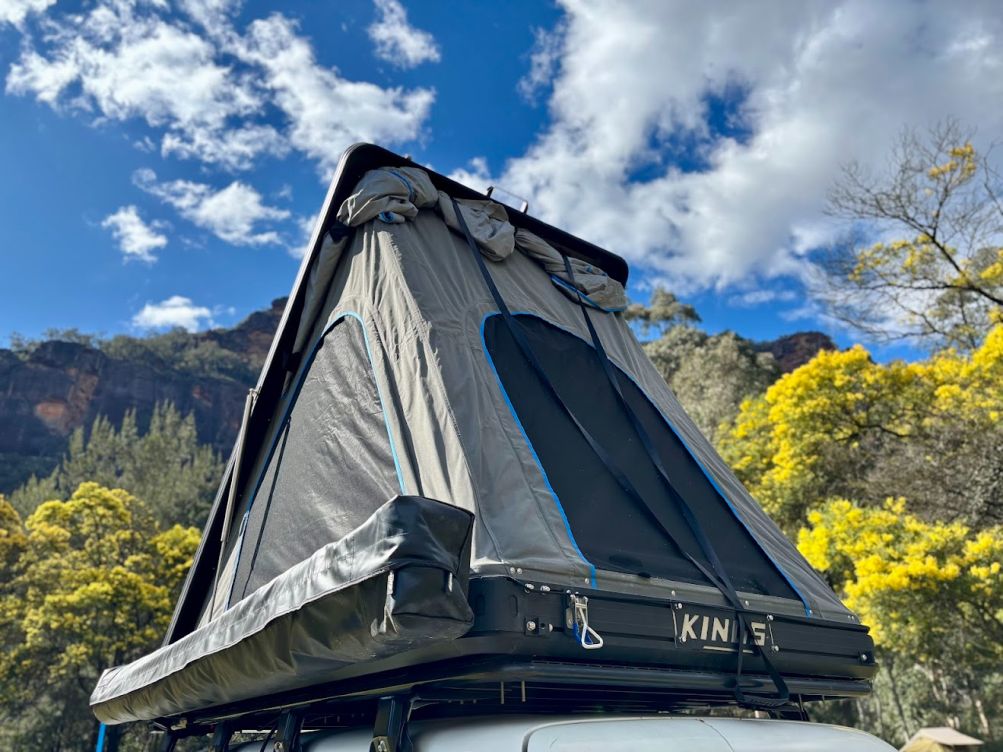
The Grand Tourer Lite scored highest of the rooftop tents we’ve tested. It’s a hard-shell tent that sets up in under half a minute, sits very low on the roof when closed and is well sealed against the weather.
It’s heavy, so you need a sturdy roof rack, and the telescopic ladder is heavy too. For tourers who make frequent overnight stops, it’s our top-scoring rooftop tent.
Kings Grand Tourer Lite
Scored 9.4 out of 10Our take: Our own rooftop tent, and a very good one. It's been on our Prado for over a year: it sits just 180 mm high, opens in about 25 seconds and has stayed dry inside in heavy rain. Read review
We may earn a commission if you buy through these links.What we like
- Opens in about 25 seconds
- Low: 180 mm high closed
- PU5000 canvas, four-stage seal
- Dry inside in heavy rain
- Takes an awning and solar panel
- Built-in side pockets
What we don’t
- Telescopic ladder is heavy
- Needs a sturdy rack for 70 kg
- Only one colour
Most comfortable: Kings Grand Tourer MK3Most comfy: Grand Tourer MK3
The Grand Tourer MK3 has an aluminium honeycomb shell, a genuine 30-second setup and enough room inside for the bedding to stay in when it’s closed. The hardware is marine-grade stainless steel, and the mattress is thicker than on the Lite.
It’s the heaviest tent here, so check your vehicle’s roof load, and the mattress comfort is only alright. It’s for committed tourers who want a permanent, fast shelter.
Kings Grand Tourer MK3
Scored 8.9 out of 10Our take: The Grand Tourer MkIII opens in a genuine 30 seconds on its gas struts. Read review
We may earn a commission if you buy through these links.What we like
- 30-second setup time
- 110 mm internal storage space
- Four-stage water protection
- Accessory side channels included
- Marine grade 316 stainless hardware
What we don’t
- Heavy total weight of 95 kg
- Mattress comfort is only alright
- Large when closed (2261 mm long)
Best lightweight: Dune 4WD Nomad LiteLightweight: Dune Nomad Lite
The Dune 4WD Nomad Lite is the lightest rooftop tent here and an affordable way into rooftop camping. It’s quick to set up and suits older or smaller 4WDs.
Expect some condensation, a thin mattress and a ladder with narrow, tilted steps. For casual weekends in decent weather, it earns its place on the roof.
Dune 4WD Nomad Lite
Scored 8.8 out of 10Our take: A solid way into rooftop camping if you're not ready to spend thousands. It's light enough for an older 4WD like my Prado and simple to set up once you've done it a few times. Read review
We may earn a commission if you buy through these links.What we like
- Quick and easy setup
- Durable and weather-resistant
- Compact and lightweight (45.5 kg)
- Comfortable sleeping space
- Affordable value
What we don’t
- Condensation issues
- Thin mattress (5 cm)
- Ladder steps are narrow and tilted
Best budget: Adventure Kings TourerBest budget: Kings Tourer
The Kings Tourer gives you a long sleeping area, tough canvas and midge-proof mesh on every window, and sets up in a few minutes. It’s light enough for vehicles with lower roof load limits.
The mattress is on the thin side, so budget for a topper, and it packs up tall. It’s a lot of tent for the money.
Adventure Kings Tourer
Scored 7.9 out of 10Our take: A rooftop tent with a lot of space inside. Setup is quick and simple, and you have a comfortable, raised camp in under three minutes. Read review
We may earn a commission if you buy through these links.What we like
- Setup is fast (under 3 min)
- Huge internal length (2.5 m)
- Lightweight for an RTT (57 kg)
- 320 GSM canvas is tough
- Midge-proof mesh on all windows
What we don’t
- Mattress only 70 mm thick
- 35 cm packed height is bulky
- Ladder is a standard 2 m
How to choose the best rooftop tent in AustraliaHow to choose
Start with your 4WD’s roof. Check its static (parked) and dynamic (moving) roof load limits: the tent, the rack and the people sleeping in it all count towards the static one, and the tent and rack alone towards the dynamic one. That rules some tents out before you look at anything else.
Then think about how you travel. If you move camp every day, a fast setup is worth paying for; for a week at one base camp, it matters less. Rooftop tents come in three types:
- Light soft shell
<50 kg
A fold-out canvas tent that suits lighter vehicles and tighter roof limits.
SetupA few minutesPacksUnder a travel cover - Soft shell
50–65 kg
Folds out over the side for a big floor, often with an annex underneath.
SetupA few minutesPacksUnder a travel coverLike - Hard shell
70 kg+
Pops up in under a minute and packs into a tough, more aerodynamic shell.
SetupUnder a minutePacksIn its hard shell
Also check
- MattressThe mattress matters most for comfort. If it’s thin, budget for a topper.
- BuildLook for poly-cotton ripstop canvas, robust zips, a sturdy frame and sealed seams.
- FuelA big, boxy tent adds drag. Hard shells are usually better, and on a long trip it adds up.
- BeddingCheck whether bedding can stay inside when it’s packed; thick doonas usually can’t.
Hard shell vs soft shell rooftop tentsHard vs soft shell
Before you look at specific models, decide which type you want. A soft shell folds out like a ground tent on your roof rack. A hard shell has a solid lid that lifts on gas struts. Each has its strengths, and each has things that will annoy you.
| Soft shell | Hard shell | |
|---|---|---|
| Weight | Generally lighter | Generally heavier |
| Set-up | Unzip the cover, unfold the tent and fit the poles | Unlatch and push up. Most are up in under a minute |
| Space | More living space, and some take an annex | Usually just the sleeping area |
| Airflow | Usually more windows | Less airflow, and can feel stuffy on hot nights |
| Rain | The canvas gets wet if you pack up in the rain | The solid shell protects well and is less prone to leaks |
| On the road | Less aerodynamic, with some wind noise | More aerodynamic, so less drag and better fuel use |
| Price | Often cheaper up front | More expensive up front |
Soft shell rooftop tents
Soft shells are the traditional choice. They’re often cheaper up front and generally lighter, and they give you more living space once they’re open. Some take an annex for extra room, and many have more windows, which helps with airflow on muggy coastal nights.
The downsides come at set-up and pack-down. You unzip a PVC cover, unfold the tent and fit the poles, and if you pack up in the rain the canvas goes away wet. They’re also less aerodynamic, so expect some wind noise on the highway and a little more fuel.
Hard shell rooftop tents
Hard shells have a solid top in fibreglass, aluminium or ABS plastic. Most set up in under a minute: unlatch, push up, and the gas struts do the rest. They’re more aerodynamic, which means less drag on long drives, and the solid shell handles bad weather very well and is less prone to leaks.
They’re generally heavier and more expensive up front. Inside, the space is usually limited to the sleeping area, and the mattress can be on the thin side. They’re better insulated but have less airflow, so they can feel stuffy on hot nights.
Which one we’d pick
I started with a soft shell and have gradually moved to hard shells. When you change campsites often, or the rain comes in while you’re packing up, the speed and convenience win out.
Tips for rooftop tent campingRooftop tent tips
- Practise at home: set the tent up and pack it down a few times in the driveway before your first trip. You sort out the fiddly bits there, not in the dark at camp.
- Anti-condensation mat: if your tent doesn’t come with one, buy one. It goes under the mattress and stops the moisture from your breath building up, which is what leads to mould and a damp sleeping bag. It’s worth having in any climate, and most of all on the humid coast.
- Keep the ladder clean: especially the feet. Gritty sand or mud will scratch the vehicle. And check the ladder is firmly planted before you climb up.
- Ventilation: even in cold weather, leave a window or vent open a crack to keep condensation down. In hot weather, open everything.
- A good pillow: don’t skimp on this one. See our guide to the best camping pillows.
- Park level: try to park on ground that’s as level as you can find. Even a slight slope makes for an uncomfortable night. The levelling ramps made for caravans are handy.
How we test
We buy the gear ourselves and take it on camping trips around Australia to put it to the test in real outdoor conditions, in the 4WD and at camp, and to see how it holds up over a few trips. We weigh everything on our own scale and photograph it ourselves. If we haven’t used something, we say so, and if anything fails later on, we update the review.
Scored out of 10 on
- Ease of use
- Performance
- Portability
- Durability
- Value
FAQ: Adventure Kings tourer rooftop tent
What is the difference between a Hard Shell and Soft Shell rooftop tent, and which is best for Australian conditions?
Soft Shell Tents (Fold-Out): Use a heavy-duty fabric cover and fold out to the side. They are best for budget, offering a much larger internal living space (often with an annex option), and are generally lighter. They take more time to set up and pack away but can be a great option for longer stays.
How do I calculate my vehicle's roof load capacity for a rooftop tent?
Dynamic Load Rating (Driving): This is the maximum weight the roof can safely support while the vehicle is moving. Your tent's weight + your roof rack's weight must be less than this number.
Static Load Rating (Parked): This is the maximum weight the roof can safely support when the vehicle is stationary. This rating must be greater than the combined weight of the tent + the roof racks + all occupants (people and gear).
Crucial Tip: The Dynamic Load (often 75-100kg for 4WDs) is your limiting factor for the tent itself. Always use the lowest rating of your vehicle, roof racks, or tent.
What key features should I look for in a rooftop tent for Australian weather?
Fabric/Material: Look for a high-quality Poly-Cotton Ripstop canvas (usually 280gsm or higher) with a high waterproof rating (2000 mm+ is recommended).
Ventilation: Seek multiple zippered mesh windows and vents, often with a large rain fly, to manage airflow and prevent condensation on hot, humid nights.
Mattress Quality: Don't overlook the built-in mattress. A high-density foam mattress (50 mm+) will drastically improve comfort, especially for multi-day trips.