

Water is arguably the most vital item you take on any camping trip. You can survive for days without food, but only hours without water, especially in hot conditions. However, carrying too much water adds significant weight to your vehicle, affecting fuel economy and handling. Finding the right balance is the key to safe and comfortable touring.
ToolFuel & Water Trip Calculator
Do's
- Do calculate 5 litres per person per day
- Do add a 25% safety buffer for remote trips
- Do store water low down in the vehicle
- Do monitor consumption in hot weather
- Do carry a water filter/purifier
Don'ts
- Don't rely on untested natural sources
- Don't drink stagnant water
- Don't carry all water in one container
Therefore, the question of how much water do you need for camping is a serious one. It requires a simple calculation based on consumption, location, and length of trip. We cannot rely on just guessing. We need to account for more than just drinking. This guide provides a simple framework I use to calculate my water needs. This method covers all uses, from your morning coffee to your evening cleanup.

Calculating how much water for camping
The easiest way to answer how much water do you need for camping is to use a fixed daily allowance per person. This simple system ensures you always carry enough reserve. I always divide the requirement into two categories: Drinking & Utility.
- For Drinking, a healthy adult requires at least 3 litres of water per day. This is the minimum for survival and hydration, assuming you are resting. If the temperature is high (over 30°C) or you are engaging in strenuous activity like hiking or setting up your base camp, this minimum must increase to 5 litres per day.
- For Utility, which covers cooking, brushing teeth, washing dishes, and washing hands, I allocate another 2 litres per person per day. This brings your total minimum requirement to 5 litres per person per day, or 7 litres in hot weather.
Stick to this baseline, and you ensure your essential needs are met without hauling excessive weight.
| Water Use | Minimum Daily Volume | Notes |
|---|---|---|
| Drinking | 3 Litres (5L when hot/active) | Minimum for survival/hydration |
| Utility (Cooking/Washing) | 2 Litres | For kitchen, hygiene and food prep |
| Total Minimum | 5 Litres (7L when hot/active) | Total required for a basic day |
Camping water calculator
Using the table, calculating your total required volume is straightforward. Simply multiply the “Total Minimum” volume by the number of people and the number of days you are away. For example, a two person trip lasting five days requires:
2 campers X 5 Litre X 5 Days = 50 Litres of water
I always add a 25% safety buffer on top of this figure for remote trips. Unexpected delays or a faulty engine hose can quickly deplete your reserves. It is much better to carry a little extra than to run out. Next, consider your storage. Heavy containers of water should be stored low down in your vehicle. This helps maintain the vehicle’s centre of gravity.
Furthermore, ensure your water storage solutions are rated for drinking water and are free of BPA. This avoids any plastic taste or chemical leaching. A good quality water purification solution is also essential, even if you do not plan on using it.
| 1 Day | 2 Days | 3 Days | 4 Days | 5 Days | 6 Days | 7 Days | |
|---|---|---|---|---|---|---|---|
| 1 Person | 5 Litre | 10 Litre | 15 Litre | 20 Litre | 25 Litre | 30 Litre | 35 Litre |
| 2 Persons | 10 Litre | 20 Litre | 30 Litre | 40 Litre | 50 Litre | 60 Litre | 70 Litre |
| 3 Persons | 15 Litre | 30 Litre | 45 Litre | 60 Litre | 75 Litre | 90 Litre | 105 Litre |
| 4 Persons | 20 Litre | 40 Litre | 60 Litre | 80 Litre | 100 Litre | 120 Litre | 140 Litre |
| 5 Persons | 25 Litre | 50 Litre | 75 Litre | 100 Litre | 125 Litre | 150 Litre | 175 Litre |
| 6 Persons | 30 Litre | 60 Litre | 90 Litre | 120 Litre | 150 Litre | 180 Litre | 210 Litre |
What to keep in mind
The environment significantly changes your water requirements and storage needs. In Desert or Hot Inland Areas, the consumption rate increases dramatically. If the temperature is above 35°C, you might need 7 litres or even 8 litres per person per day just for drinking. In this environment, focus on electrolyte replacement, not just plain water. Additionally, store water inside the vehicle or covered by an awning to keep it out of direct sun. Warm water does not hydrate as effectively as cool water.
In Temperate or Coastal Areas, where reliable water sources might exist (rivers, lakes), your carried volume can be reduced. However, you must carry a reliable water filter or purification tablets. Never trust surface water without treating it first, regardless of how clean it looks.
When Four Wheel Driving Off Track, having water stored in multiple, smaller containers is smart. If one large tank leaks or gets damaged by a rough track, you do not lose your entire supply instantly. Always have an emergency stash of 5 litres to 10 litres secured in a separate location, just in case of a breakdown or unforeseen delays.
Dont's
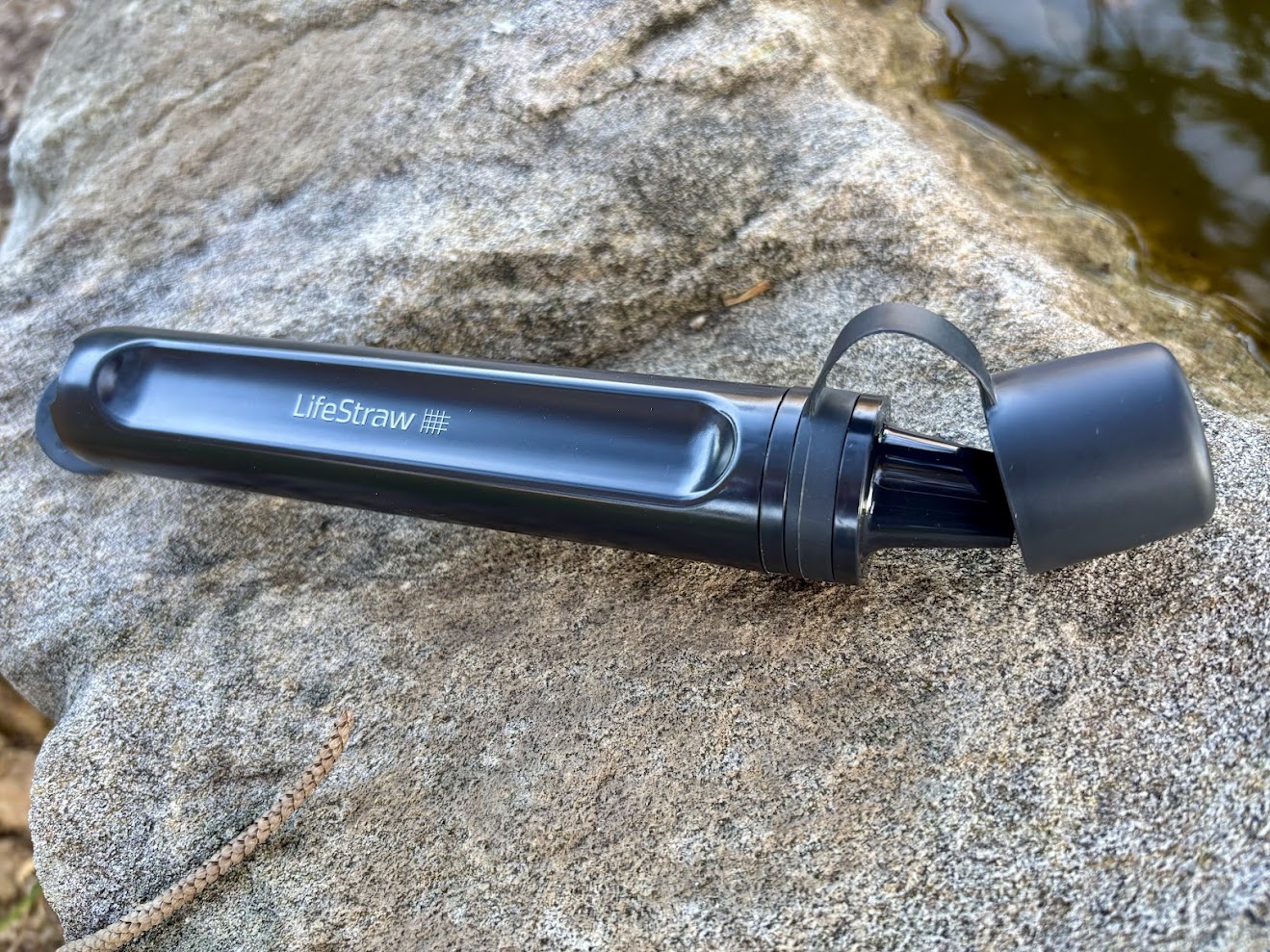
LifeStraw Peak Series Water Filter Straw
We may earn a commission if you buy through these links.Summary
Determining how much water do you need for camping comes down to careful planning. Use the simple metric of 5 litres per person per day as your starting point. This covers 3 litres for essential drinking and 2 litres for cooking and hygiene. Always adjust this figure upwards if you are travelling in hot weather or undertaking strenuous activity. Furthermore, always prioritise safety by adding a 25% buffer to your total calculation, especially for trips into remote Outback accessories terrain.
Remember that proper storage is just as vital as the volume you carry. Store heavy water containers low in the vehicle for stability and keep water cool when possible. Invest in reliable water storage solutions and a quality water filter, even if you are carrying enough supply. This preparation ensures you are self-sufficient and ready for any eventuality.


