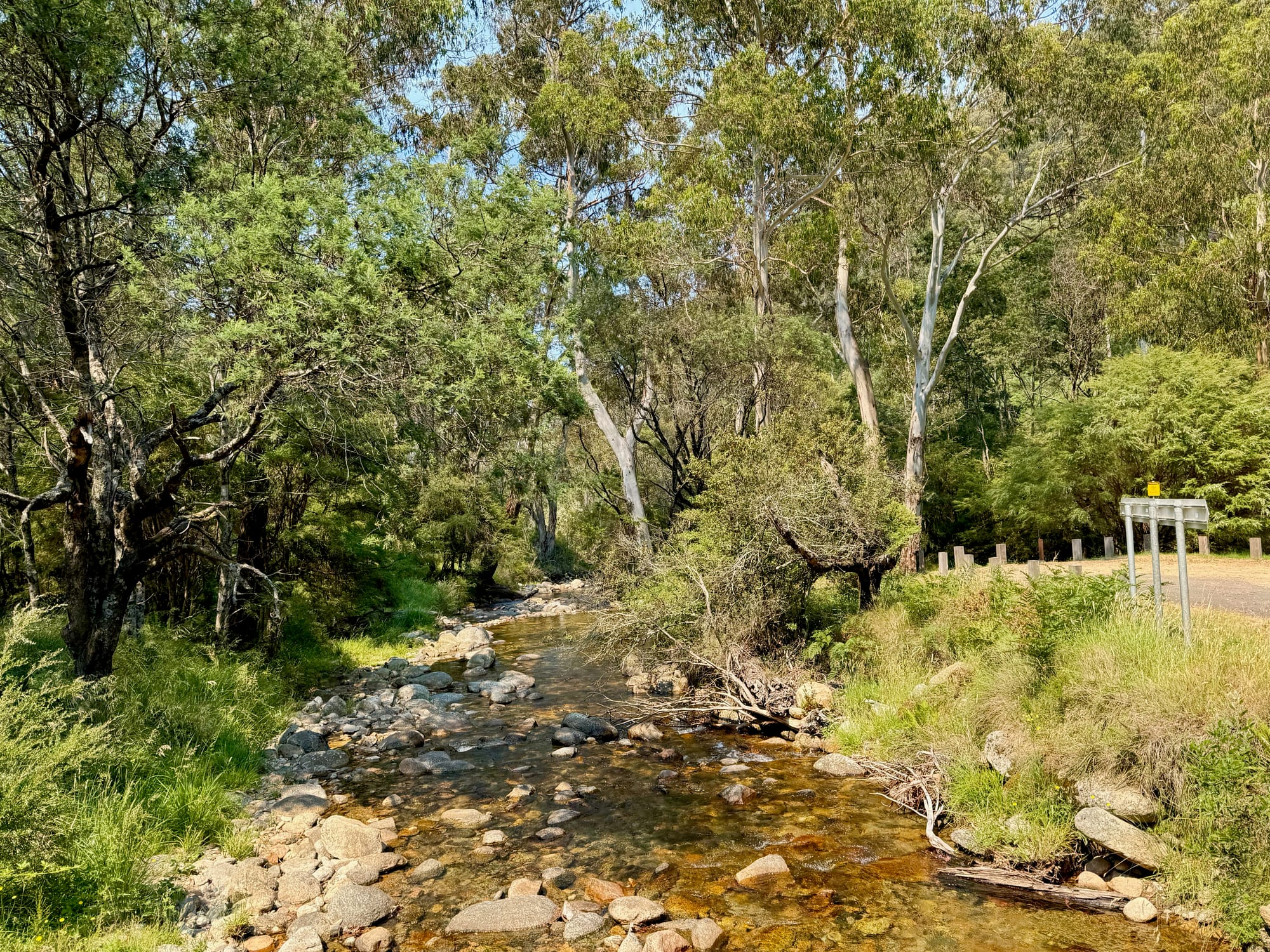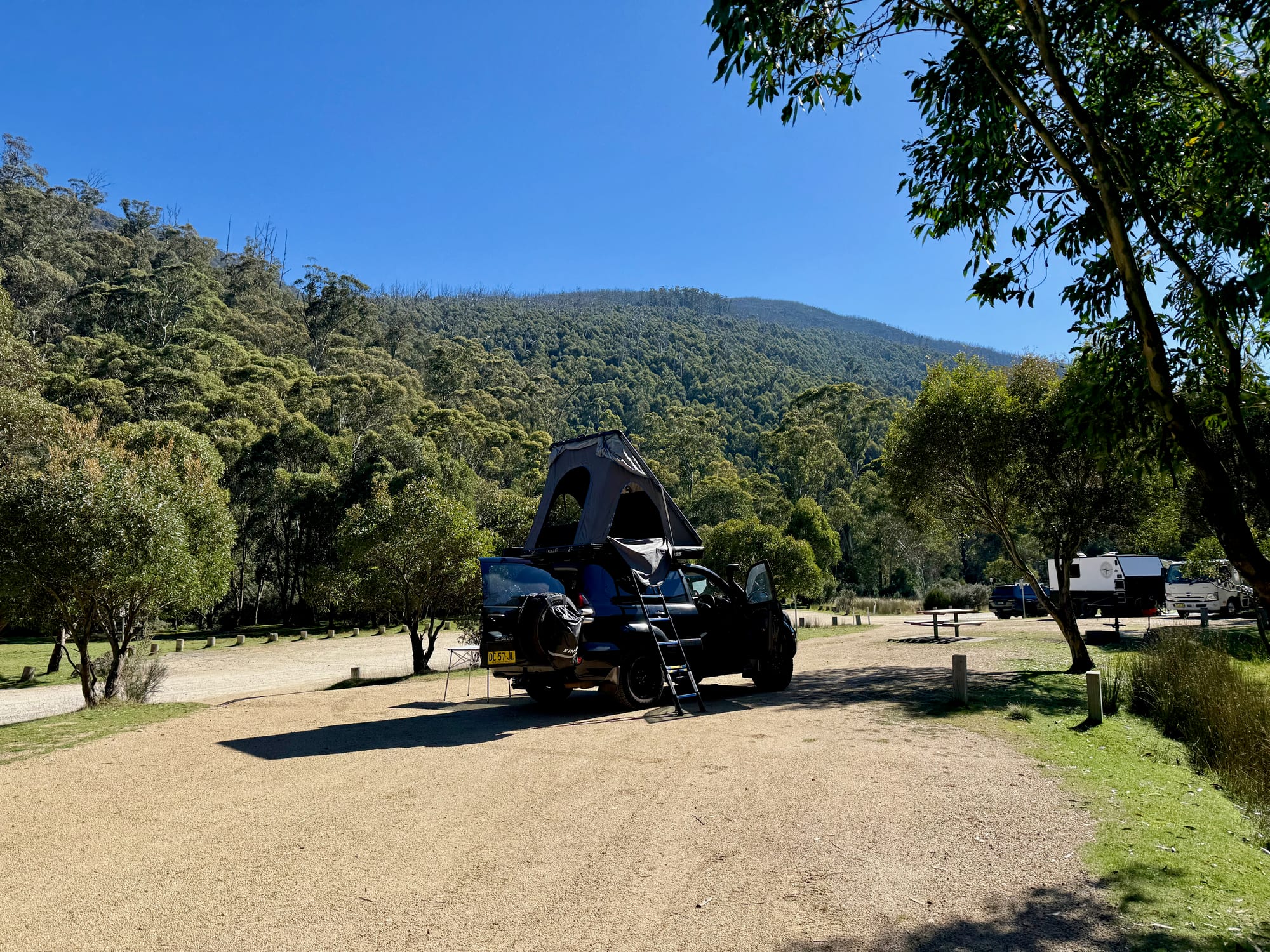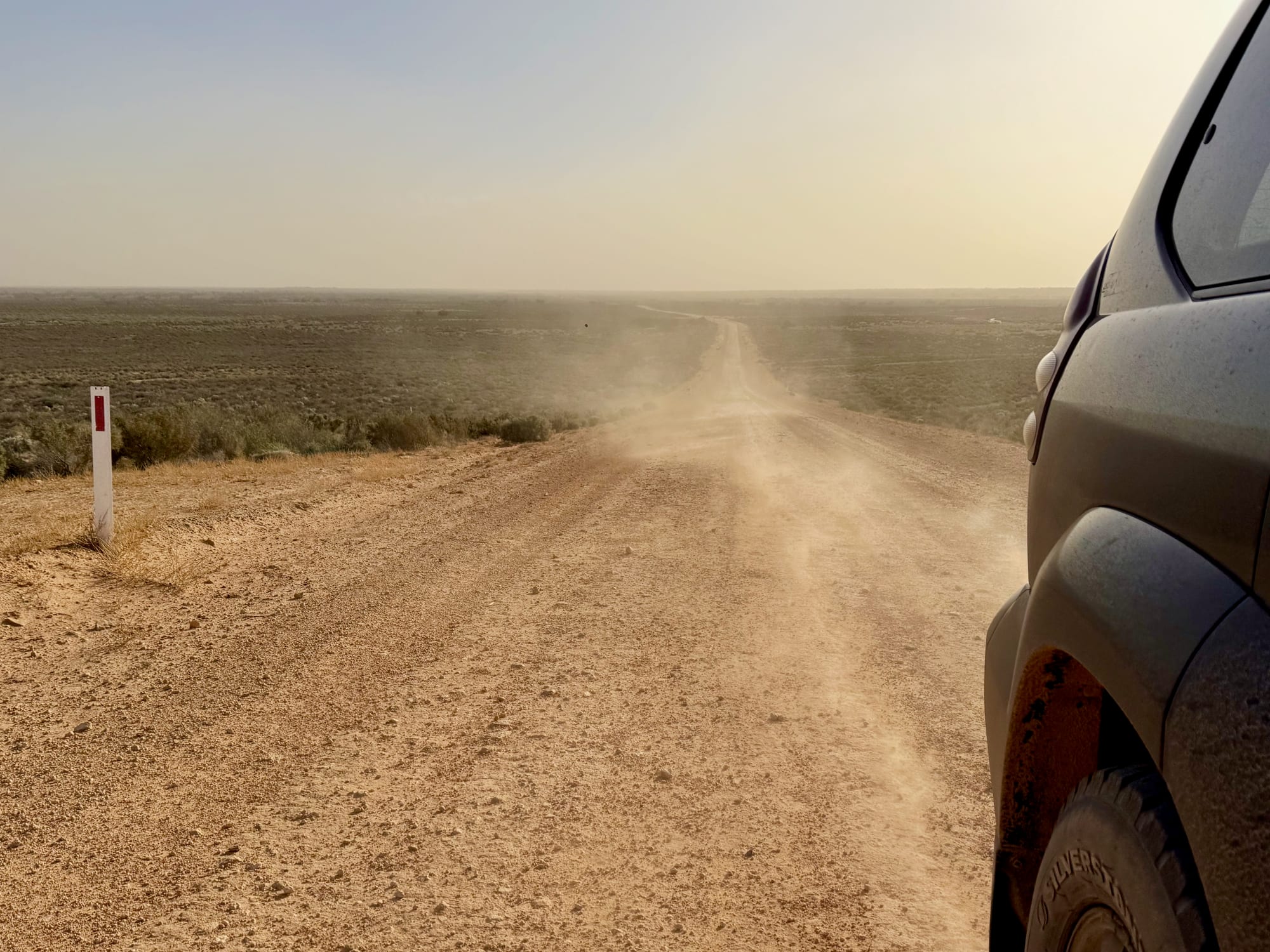
Mungo is a long way from anywhere, and that’s a big part of what makes it special. The drive in from Cocoparra National Park is where it becomes really desert-like and you start to get a real remote feeling. Then you reach a dry lake, a crescent of eroded dunes and some of the oldest human history in the world.
We spent two nights here in December 2025, on our big trip through outback NSW. Below you’ll find everything we did, with our scores and a link to the full review of each place.
About Mungo National ParkAbout
Mungo National Park is part of the Willandra Lakes Region World Heritage area. Lake Mungo has been dry for thousands of years, and the wind has shaped its eastern edge into the Walls of China. Mungo Lady and Mungo Man were found here, and the park’s Aboriginal culture and heritage are looked after jointly by NSW National Parks and representatives of the Ngiyampaa, Mutthi Mutthi and Paakantyi people.
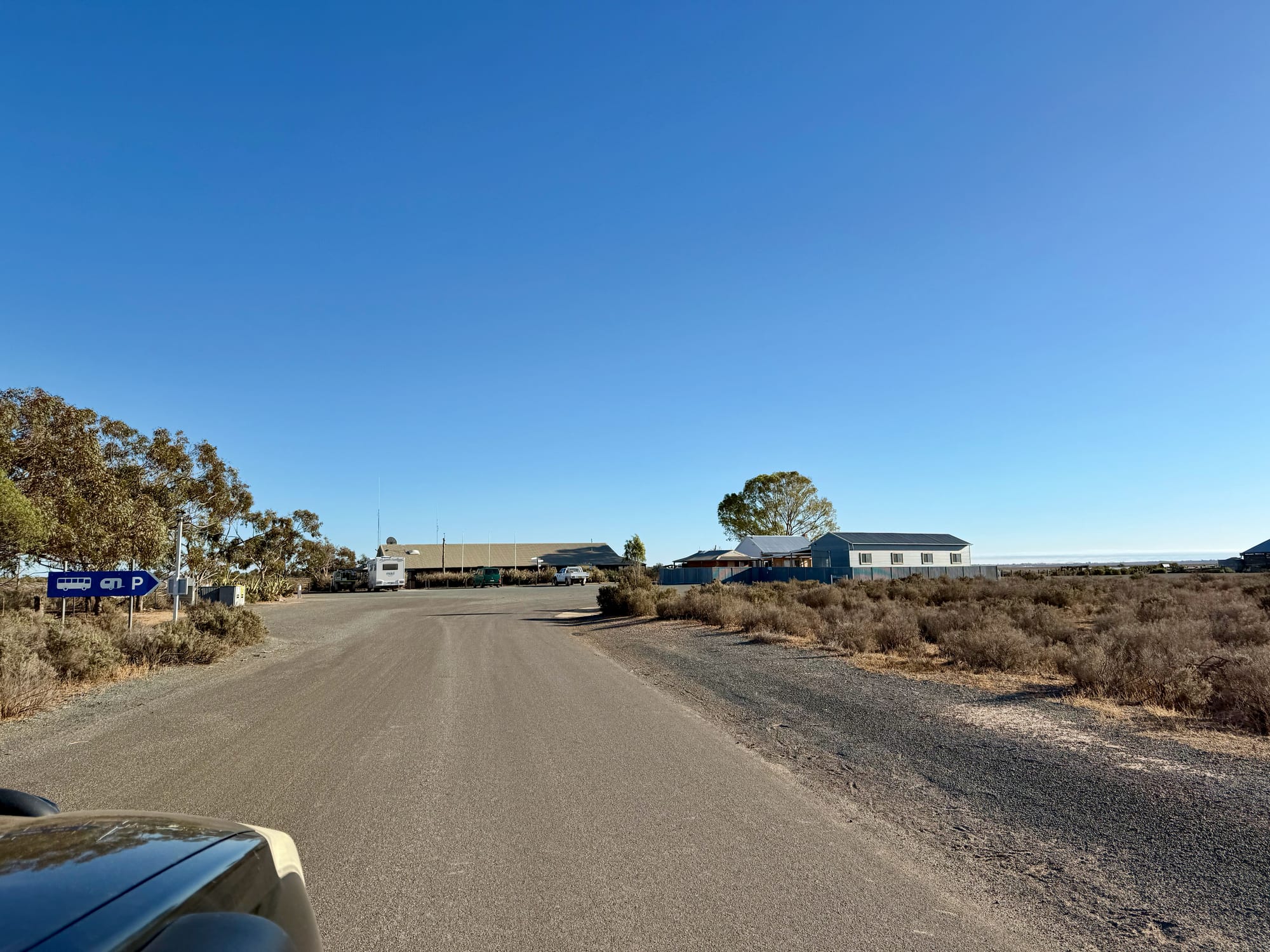
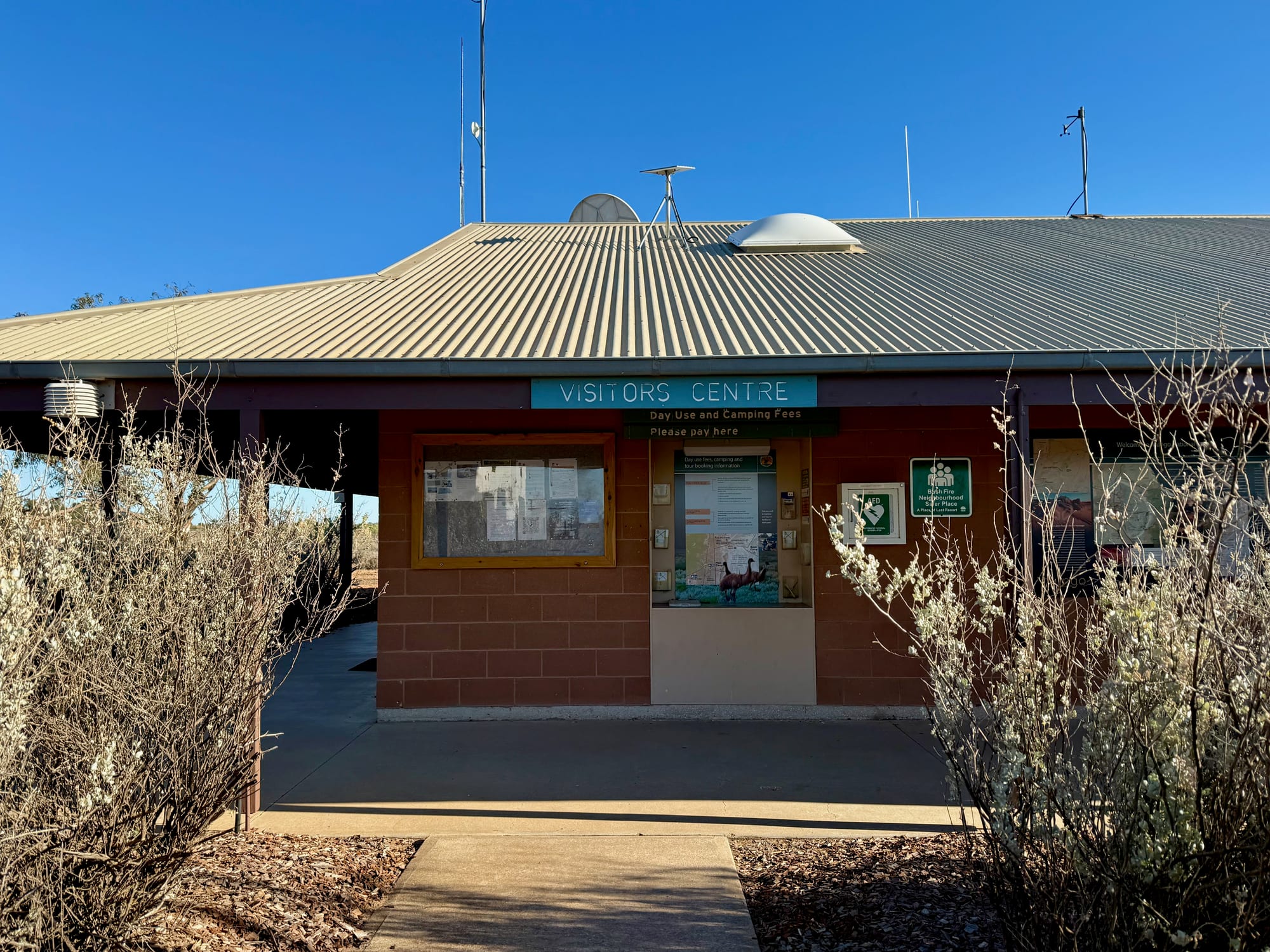
The Visitor Centre is the place to start. It’s just a 5-minute drive from Main Campground, and it’s where you pay your park entry by envelope and where the current road and walk conditions are posted.
Best time to go
We went in December and started our days early, with sunrise at the lookout and the Walls of China before 9 am. It was warm but bearable, and at night it cooled down quite heavily. Summer works if you plan around the heat, but it isn’t the easiest time to be here. A solid fuel ban was also on, and the current NPWS fire ban runs from 15 October 2026 to 31 March 2027, so bring a gas stove.
- AutumnBest timeMarch–MayMilder daysGood for walks and the drive
- SpringBest timeSeptember–NovemberMilder days before the summer heat
- WinterFairJune–AugustCooler days and cold nights
- SummerTake careDecember–FebruaryHot days, fire bans; plan for early starts
Getting There and AccessibilityGetting there
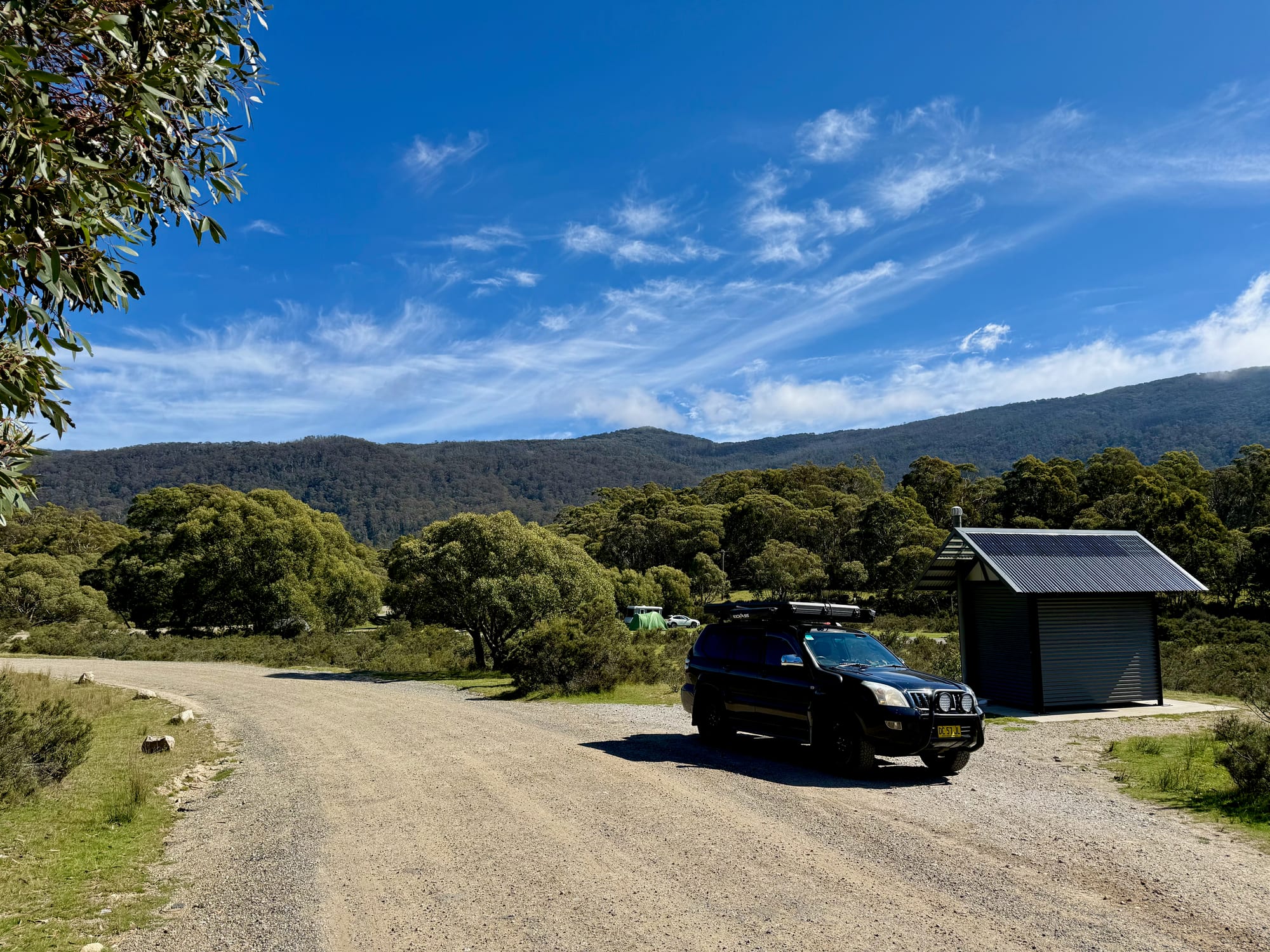
We drove in from Cocoparra National Park, stocking up on food in Griffith on the way. From there we took the Murrumbidgee River Road to Hay and carried on to Oxley, where the dirt starts on Oxley Road. Turn right onto Hatfield Penarie Road, then left onto Marma Box Creek Road, which takes you into the park. From there it’s gravel all the way to the centre of the park, where the campground is. Watch out for passing road trains.
Most hire companies don’t allow unsealed roads in a standard car, so check the terms or book a 4WD. We may earn a commission if you book through these links.
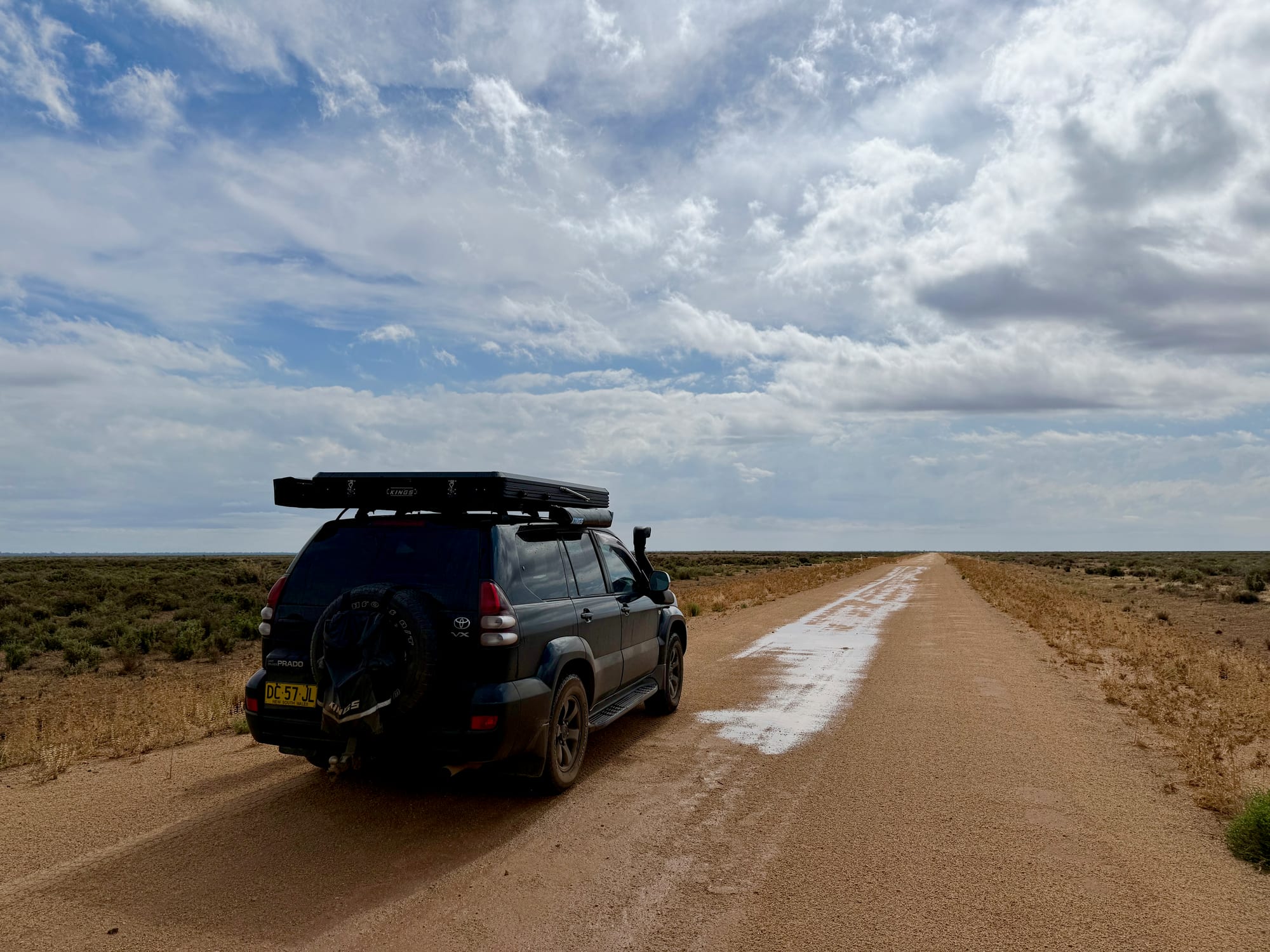
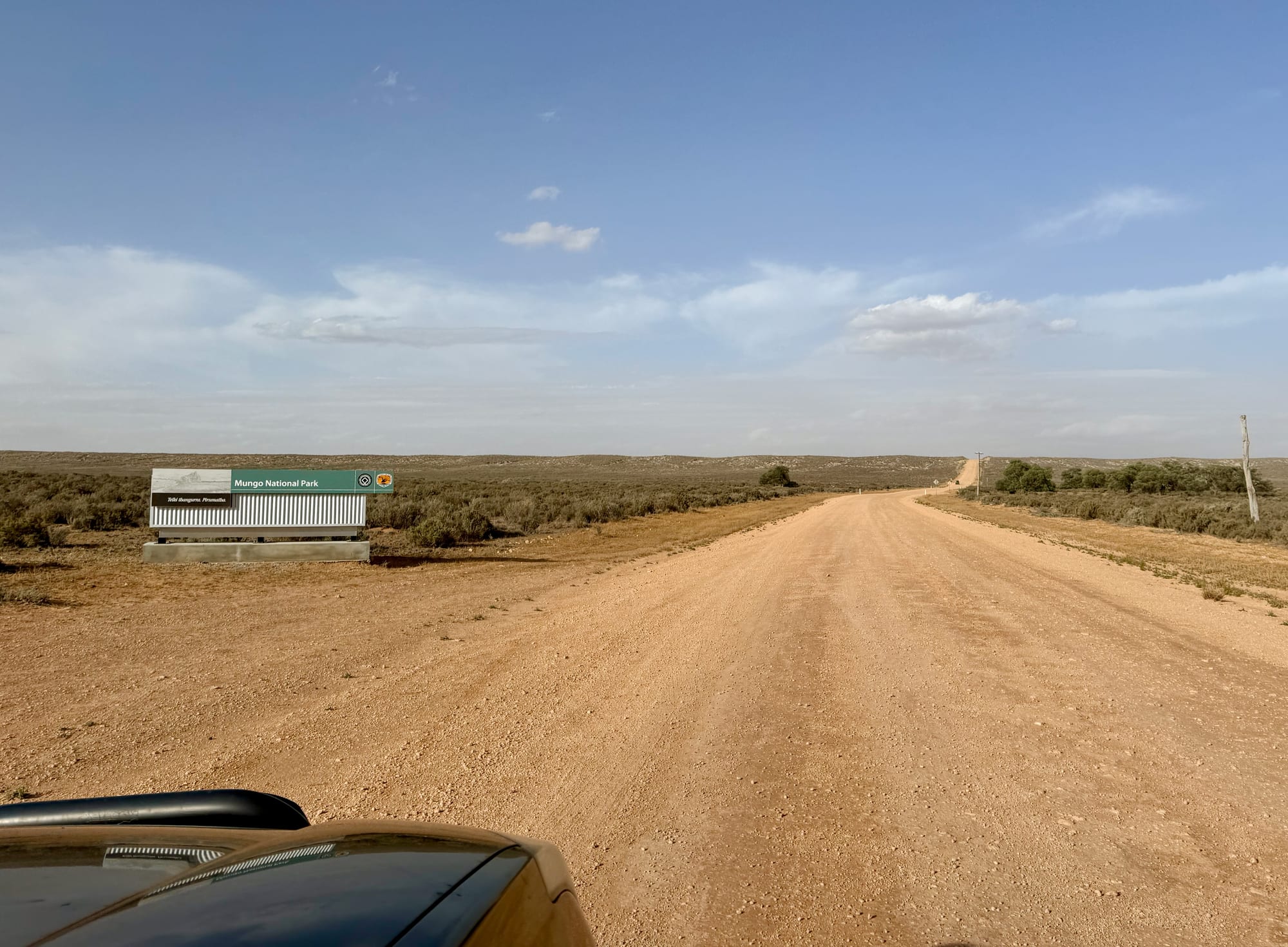
The unsealed roads are generally fine for a 2WD, but they can become impassable when wet, and the park may close in bad weather or high fire danger. Check the park alerts before you leave the bitumen at Oxley, and fill up before you go. We last fuelled up in Hay, and the double tank in our Prado makes long distances like this a lot easier.
Campgrounds in Mungo National ParkCampgrounds
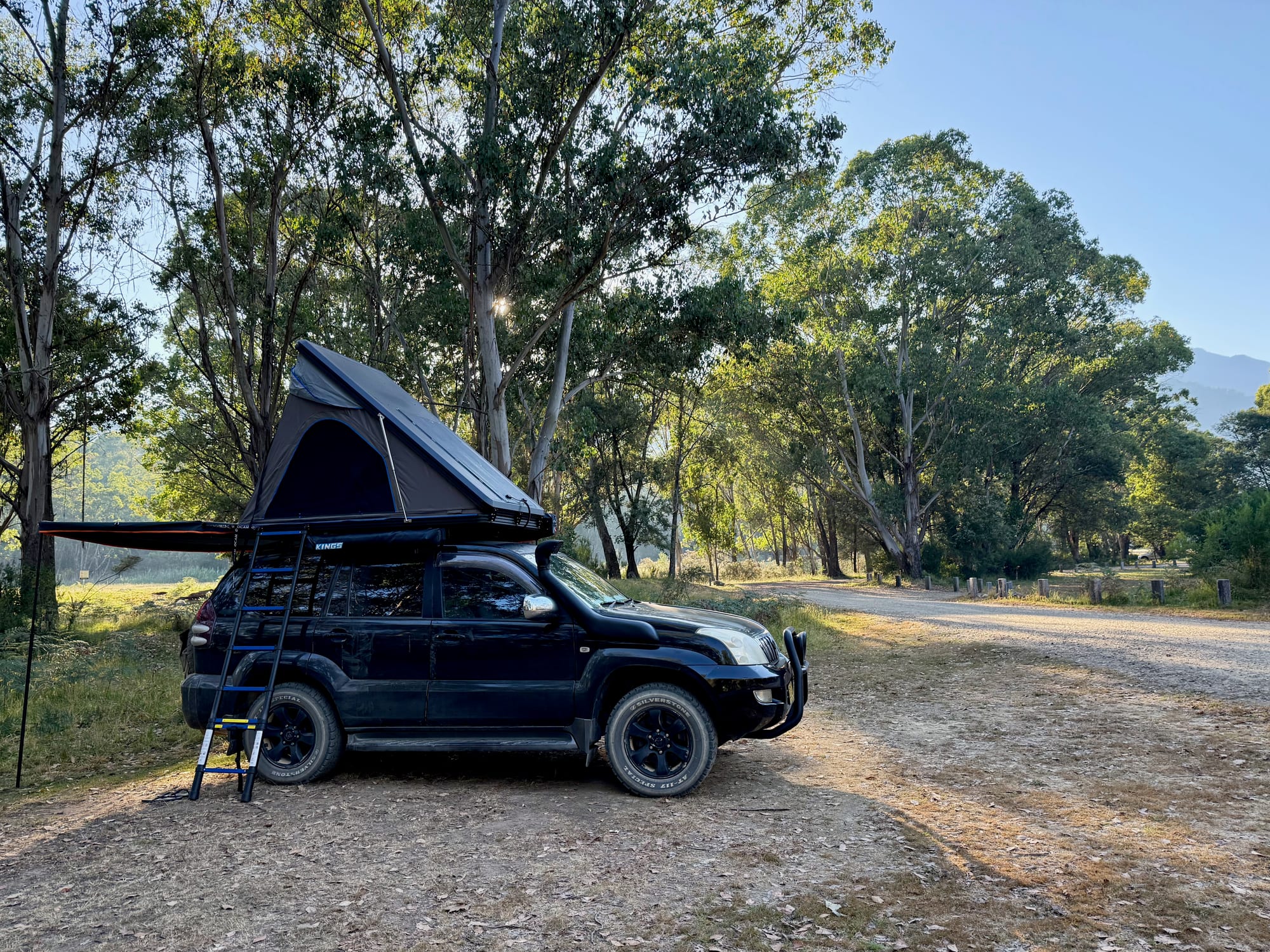
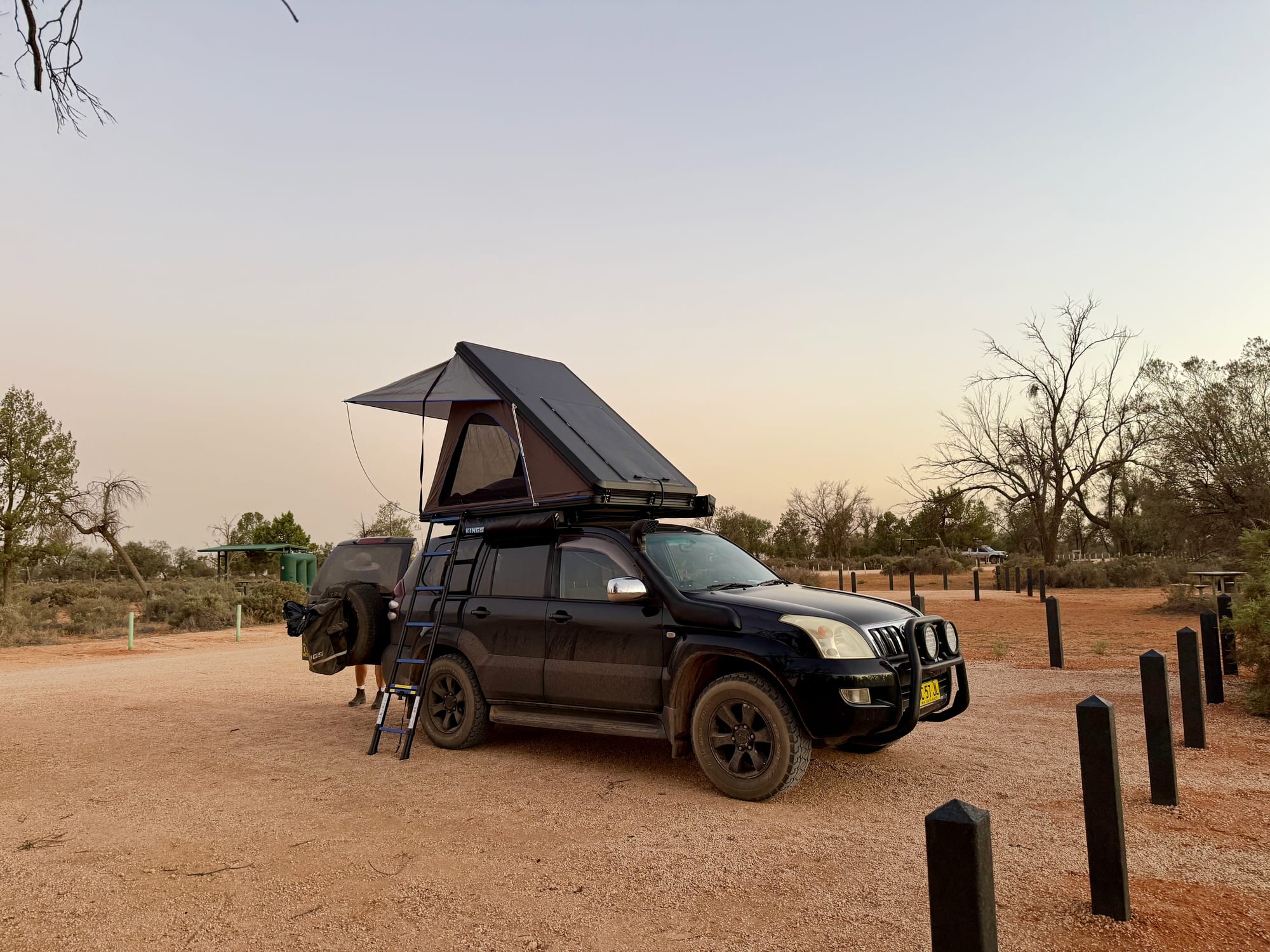
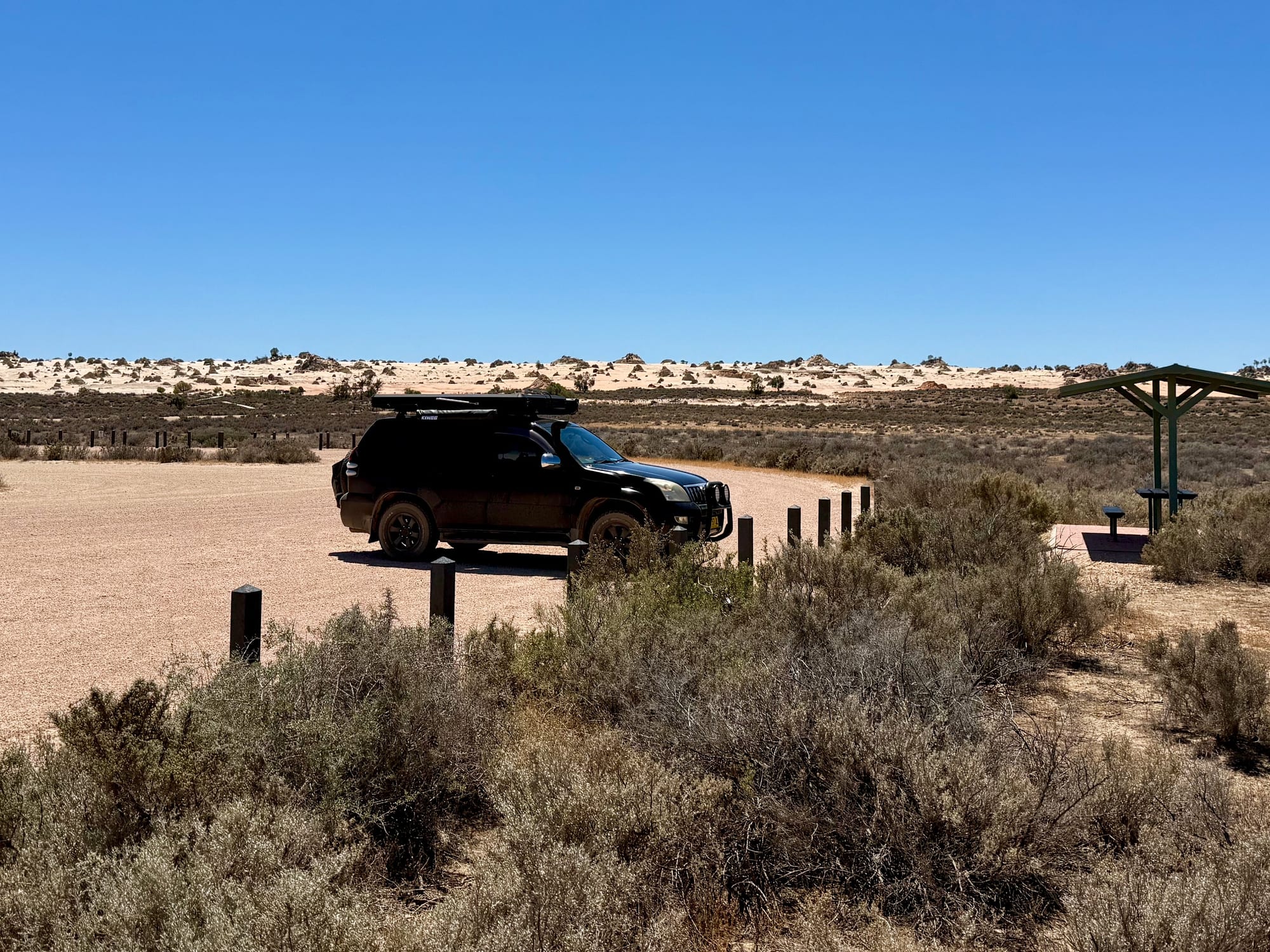
We stayed at Main Campground, close to the Visitor Centre and Mungo Lookout. The Shearers’ Quarters are an option if you’d rather have a roof.
The park’s other campground, Belah, was closed when we visited, so we didn’t see it. NSW National Parks lists 12 unpowered sites for tents or camping beside your vehicle, halfway around the self-guided drive, with toilets and picnic tables. Wood fires aren’t allowed, so bring a gas cooker and all your water, and there’s no phone reception. Book online, and check the drive is open first.
Mungo NP Main Campground
Scored 9.0 out of 10- $24 a night for 2
- $8 per vehicle per day
- Patchy phone reception
- Toilets
- No dogs
Our take: A really cool setting, and very well looked after for somewhere so remote. The sites are far apart with some privacy, and Mungo Lookout is a short walk away. Read more
What we like
- Real remote outback feeling
- Sites far apart, with privacy
- Mungo Lookout within walking distance
- Base for the Walls of China
- Very well looked after
- Kangaroos around camp
What we don’t
- No drinking water
- Many flies in the warmer months
- Dirt roads close when wet
Lookouts
Mungo Lookout is the easy one, a short walk from camp. We went at both ends of the day, and sunset made the best views. Red Top Lookout is about 20 minutes from the Visitor Centre, past the Walls car park and along Red Top Road, with a short boardwalk over the eroded formations, and we went there towards sunset on our full day.
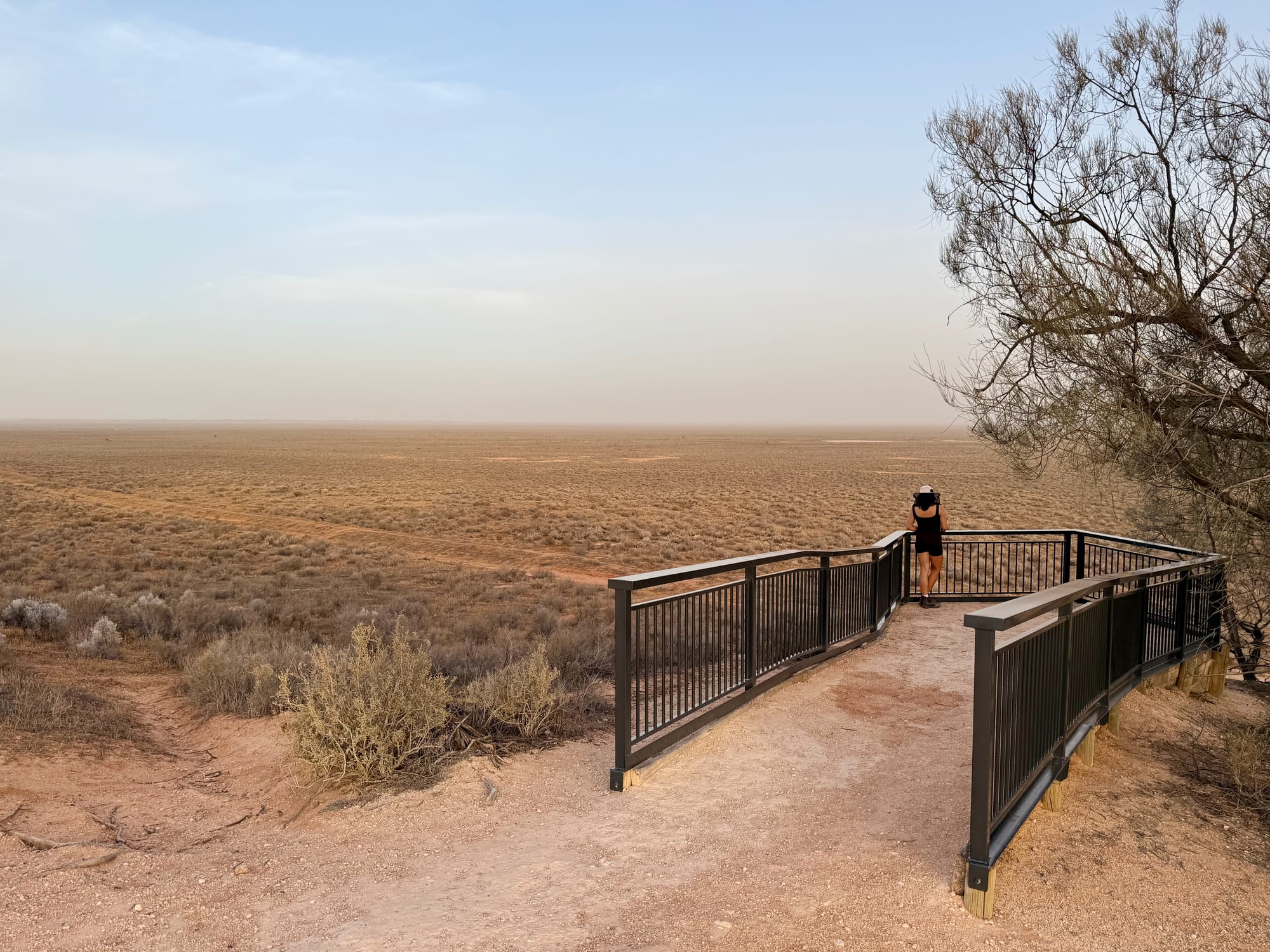
Mungo Lookout
Scored 9.4 out of 10- Included in the $8 per vehicle per day park entry
- Toilets
- No dogs
Our take: Majestic views that seem endless, with an almost Mars-like feeling. A short walk from Main Campground takes you to a fenced platform over the dry lake bed, and it’s so quiet and calm. Read more
Sights
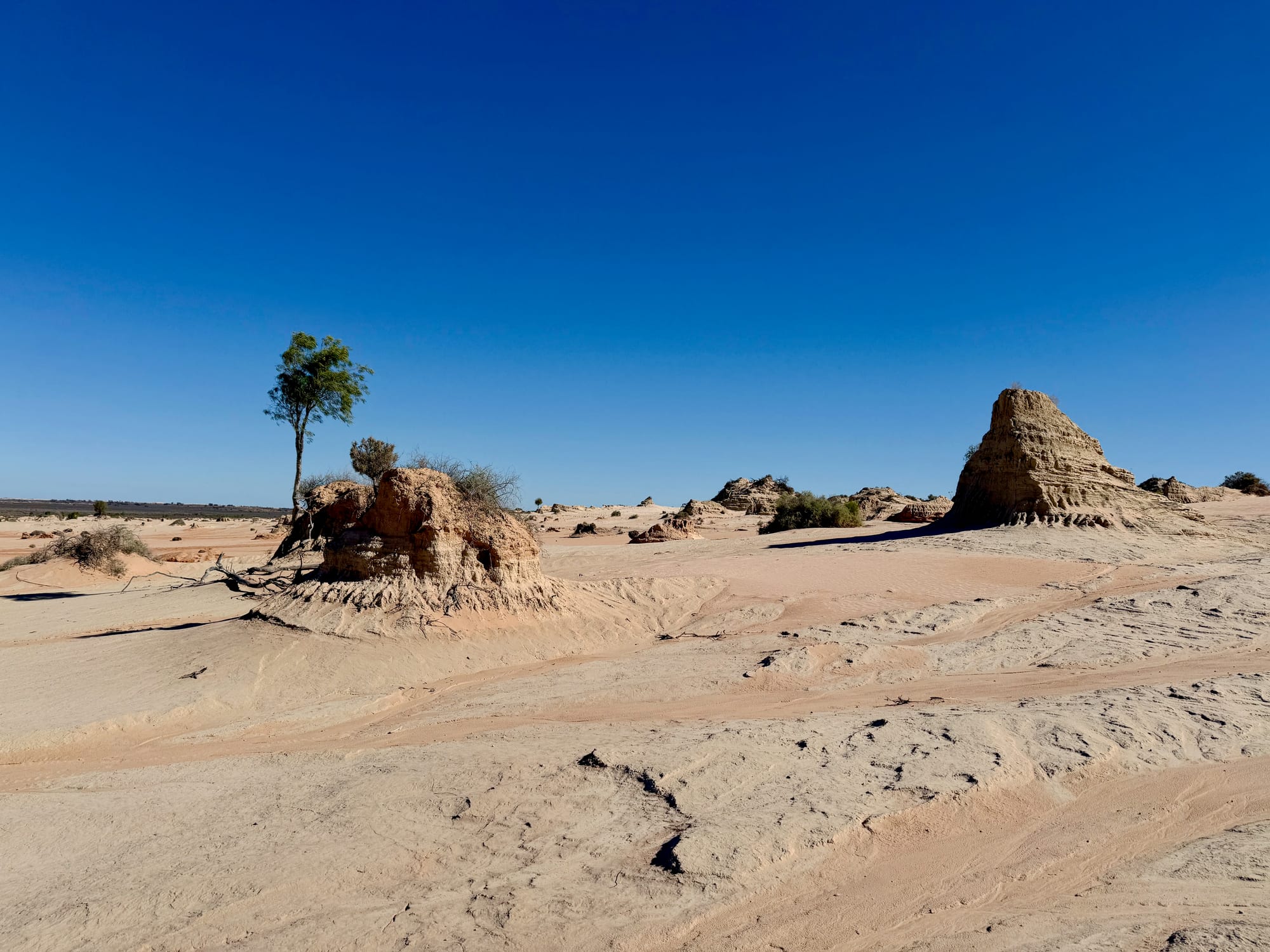
The Walls of China are the main reason to come. Without a tour you can watch the dunes and walls from the Walls of China Viewing Platform, and from Red Top Lookout, but to walk on the lunette you need an approved guide, so book a tour before you lose reception. Near the Visitor Centre you’ll also find the Mungo Woolshed and the Foreshore Walk, and the Grasslands Nature Walk is a 15 to 20 minute loop from Main Campground, with pointers on the local animals and plants.
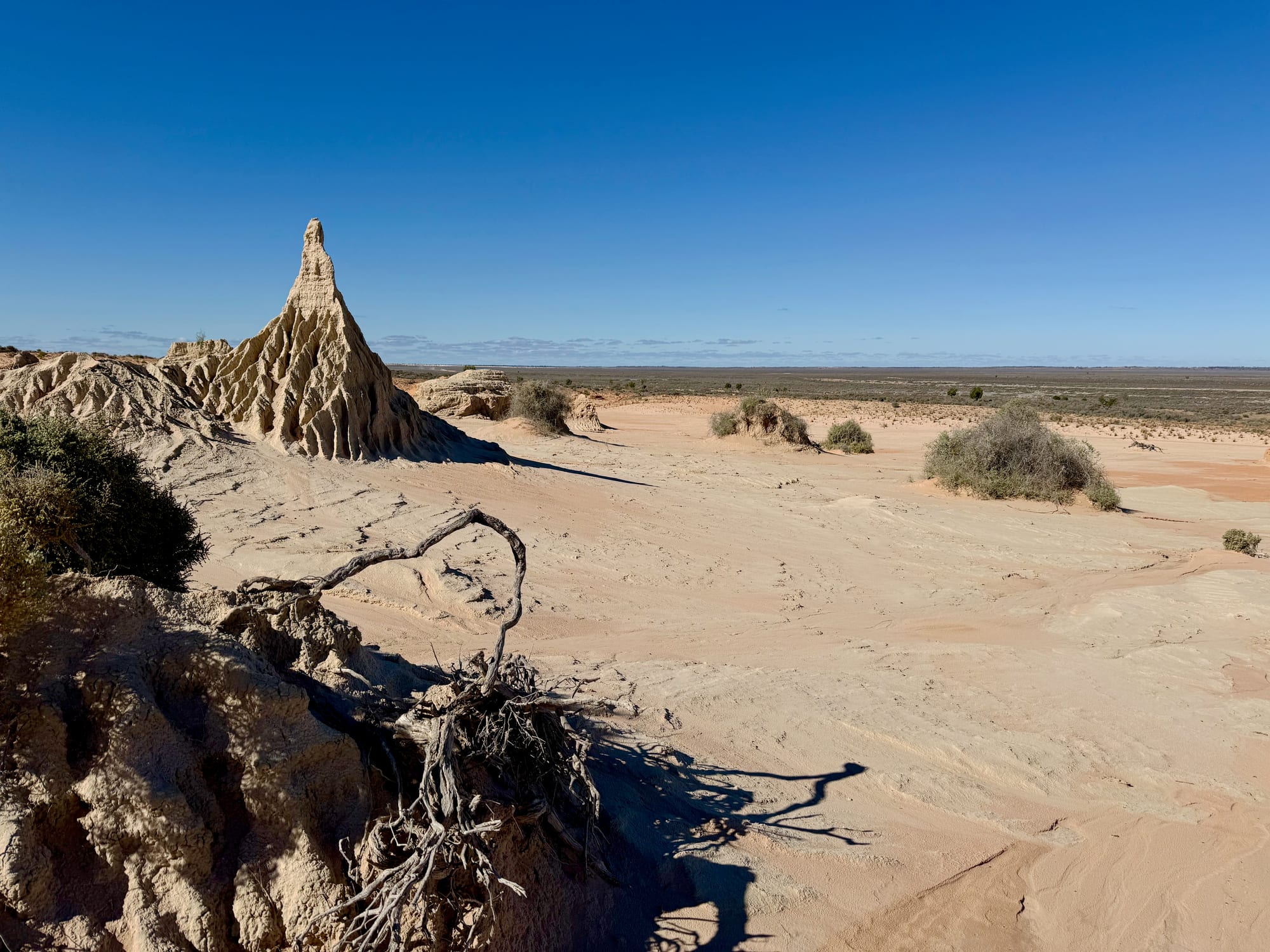
Walls of China, Mungo National Park
Scored 8.5 out of 10- $8 per vehicle per day
- guided tour from $50 per adult
- Toilets
- No dogs
Our take: Do the guided tour. The boardwalk gives you a good look, but only a guide can take you out among the formations. Read more
The Self-Guided Drive
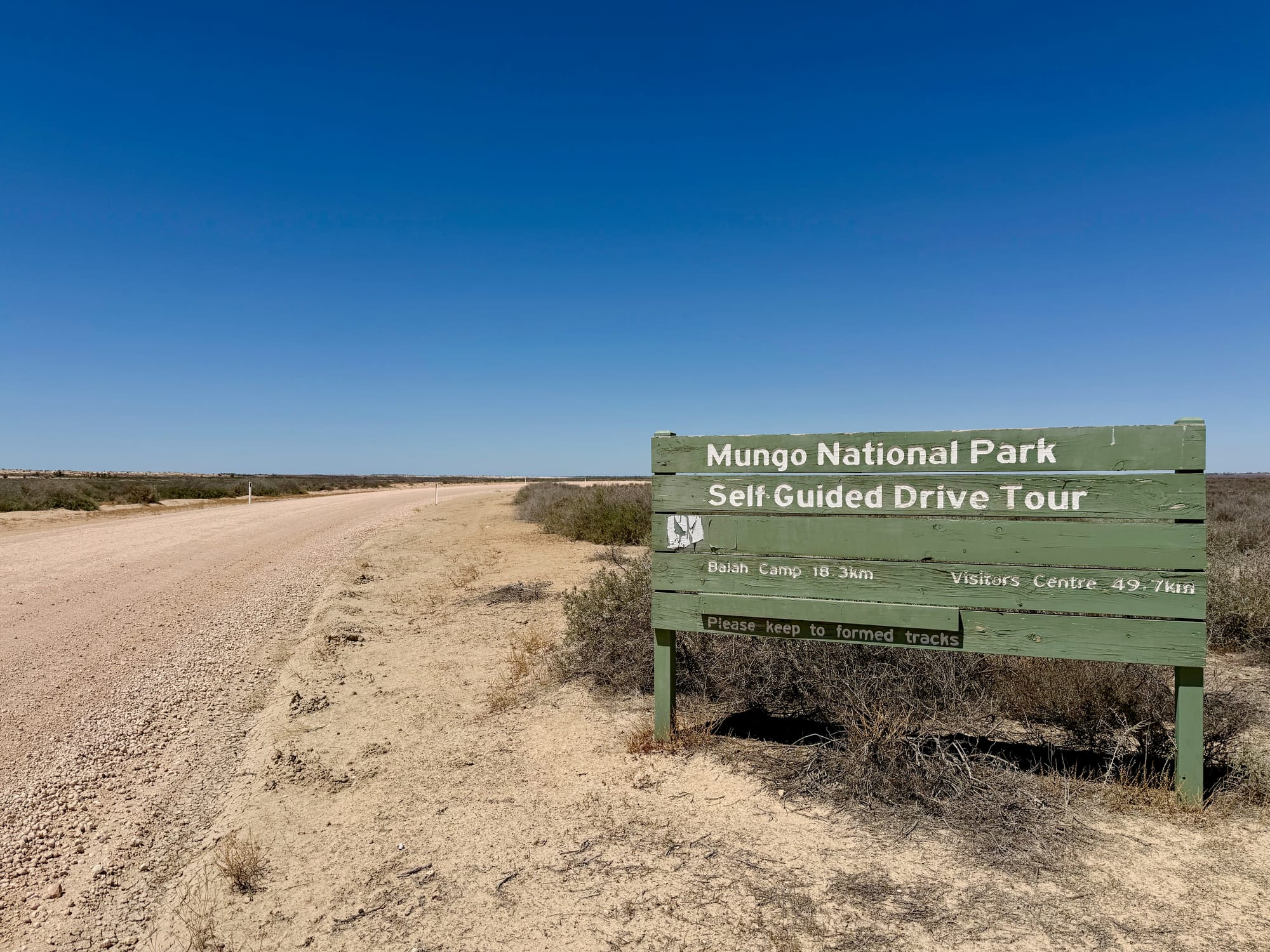
The park’s self-guided drive tour is a 70 km one-way unsealed loop that continues on from Red Top Lookout and takes you across the old lake bed, past the dunes and into the mallee. NSW National Parks allows about 2 hours for it, and the road can get boggy when it rains, so check the weather first. Halfway around the loop you’ll find the park’s other campground, Belah. We didn’t get to do the drive. When we visited, the notice at the Visitor Centre showed it closed at Red Top after erosion from heavy rain, and we found the gate shut. Check whether it has reopened before you plan around it.
Practical TipsPractical tips
Mungo is a long way from anywhere, with no water on tap and barely any phone reception. Here’s what we’d sort out before you go.
- Book before you lose reception. Book Main Campground and your tour before you leave reception. We only had a tiny bit of Telstra reception at the campground. The campground takes online bookings only.
- Bring your water. Bring all your drinking and cooking water.
- Pack a head net. Expect many flies in the warmer months, especially at the end of the day. A head net helps.
- Pack a gas stove. Firewood isn’t provided, you can’t collect it and fire bans are common in summer.
- No cash on park. No cash is accepted on park for tours and camping.
- Respect the Walls of China. Don’t fly a drone at the Walls of China, and don’t pick up anything you find.
Summary
Mungo National Park is worth the long drive. Two nights at Main Campground gave us a guided walk on the Walls of China, sunrise and sunset at Mungo Lookout and a real taste of the outback. Go prepared, and book the tour.
One of the most remarkable places we’ve camped.
Mungo is a long way down dirt roads with no water at camp, but the Walls of China and the sunset from Mungo Lookout are worth all of it. Give it two nights and book the guided tour.
- 4WD tourers
- Campers
- Travellers
Yes. Park entry is only $8 per vehicle per day, and nothing else in NSW looks like the Walls of China. The drive is the real cost.