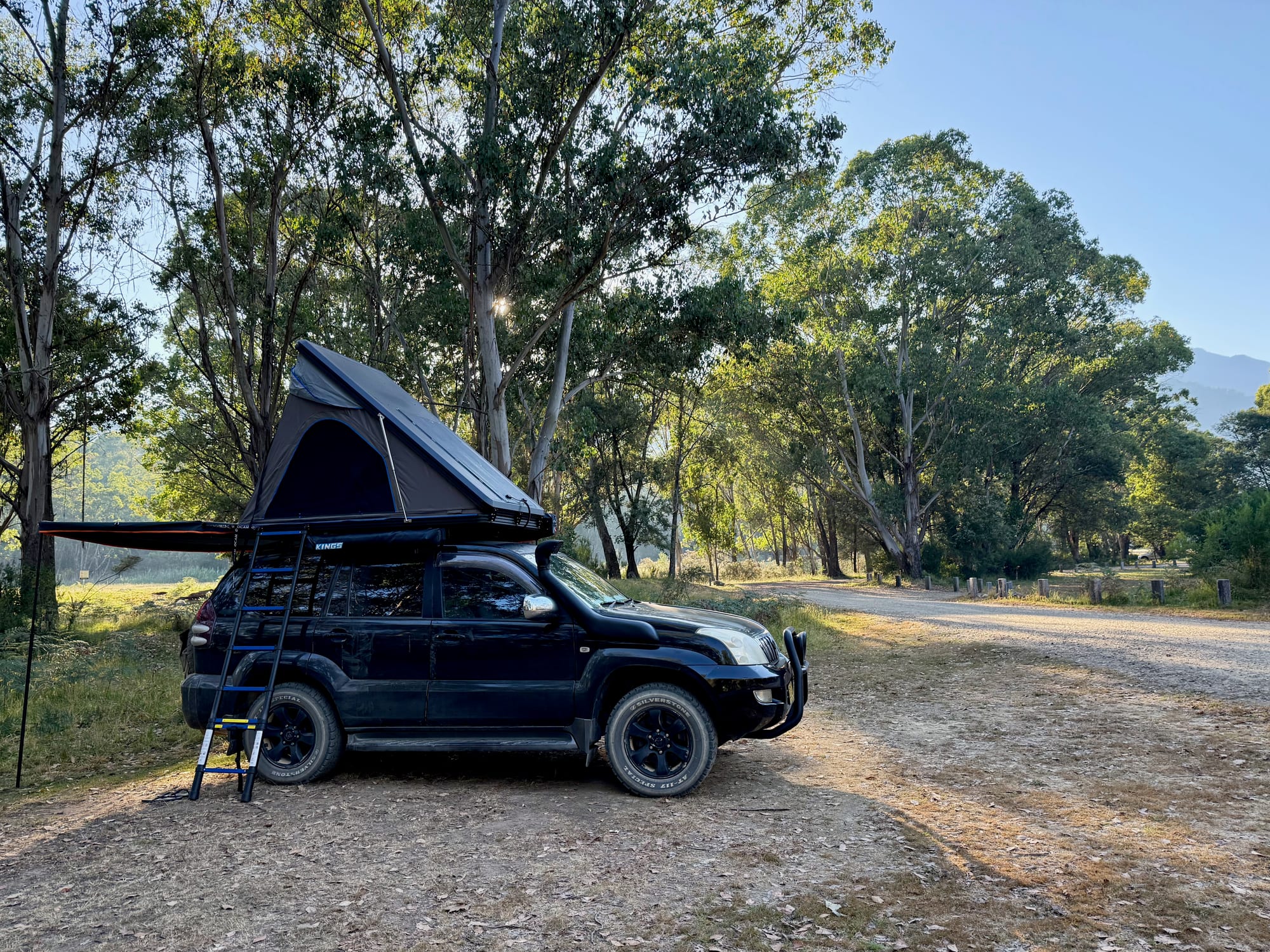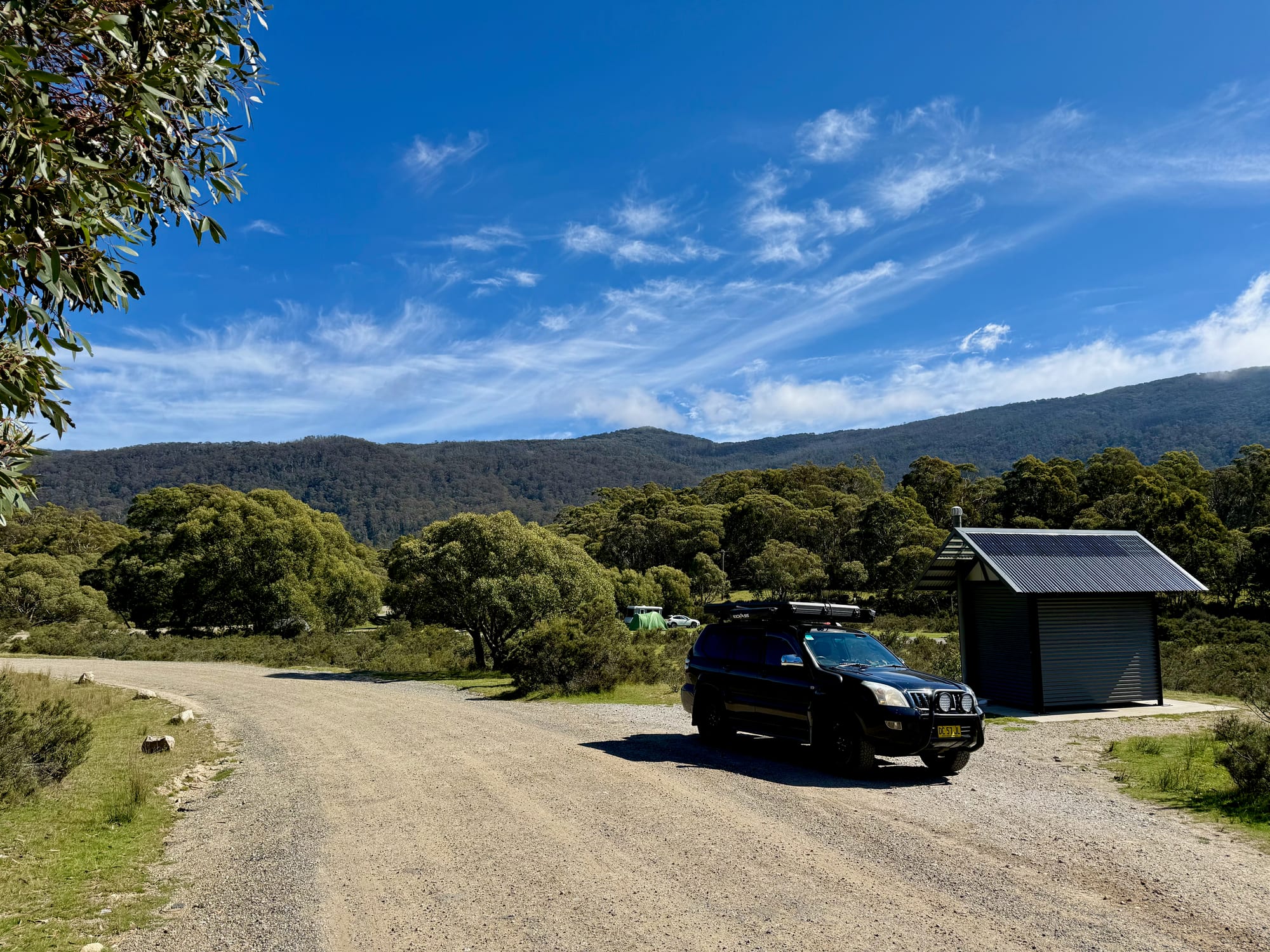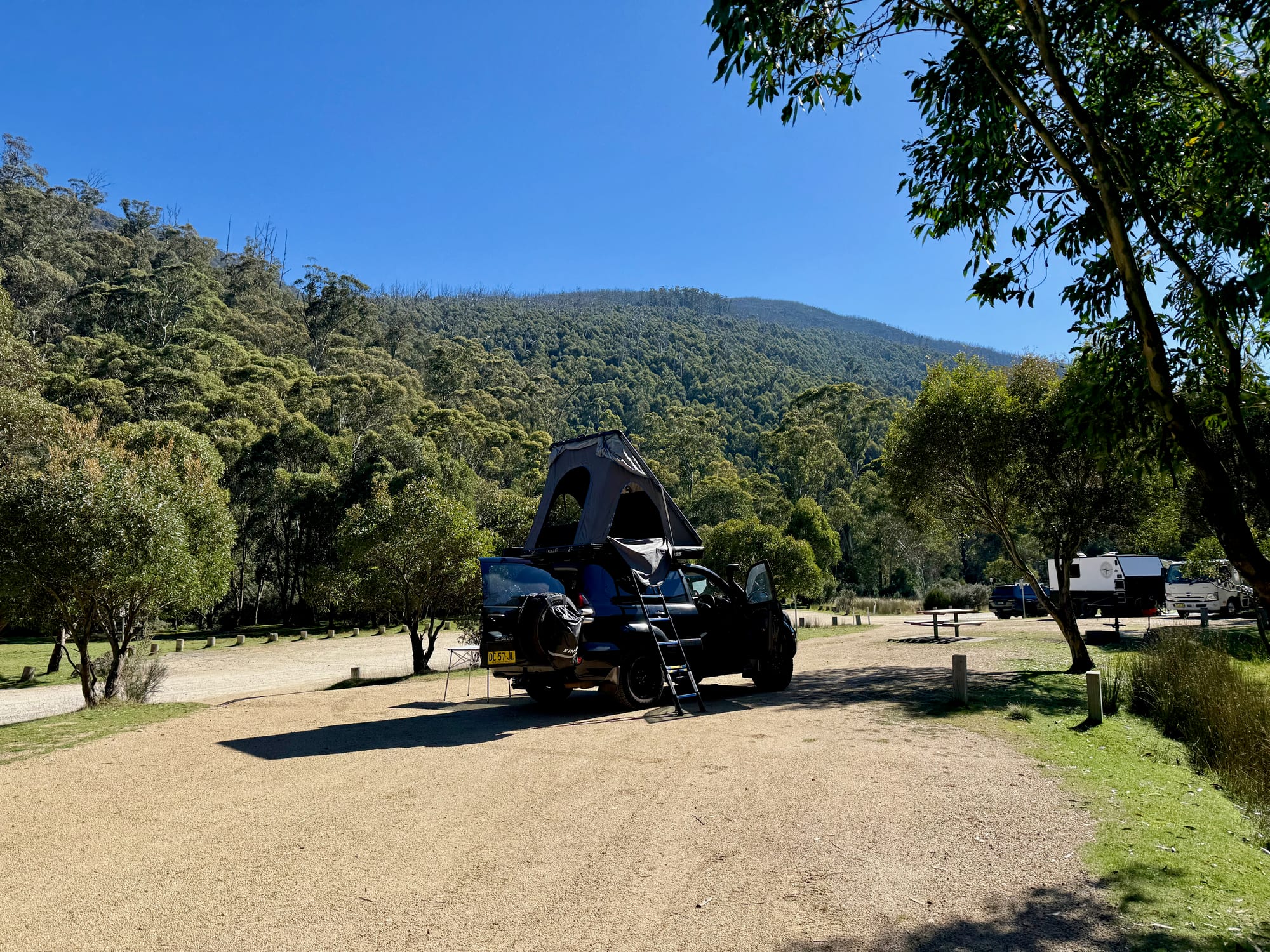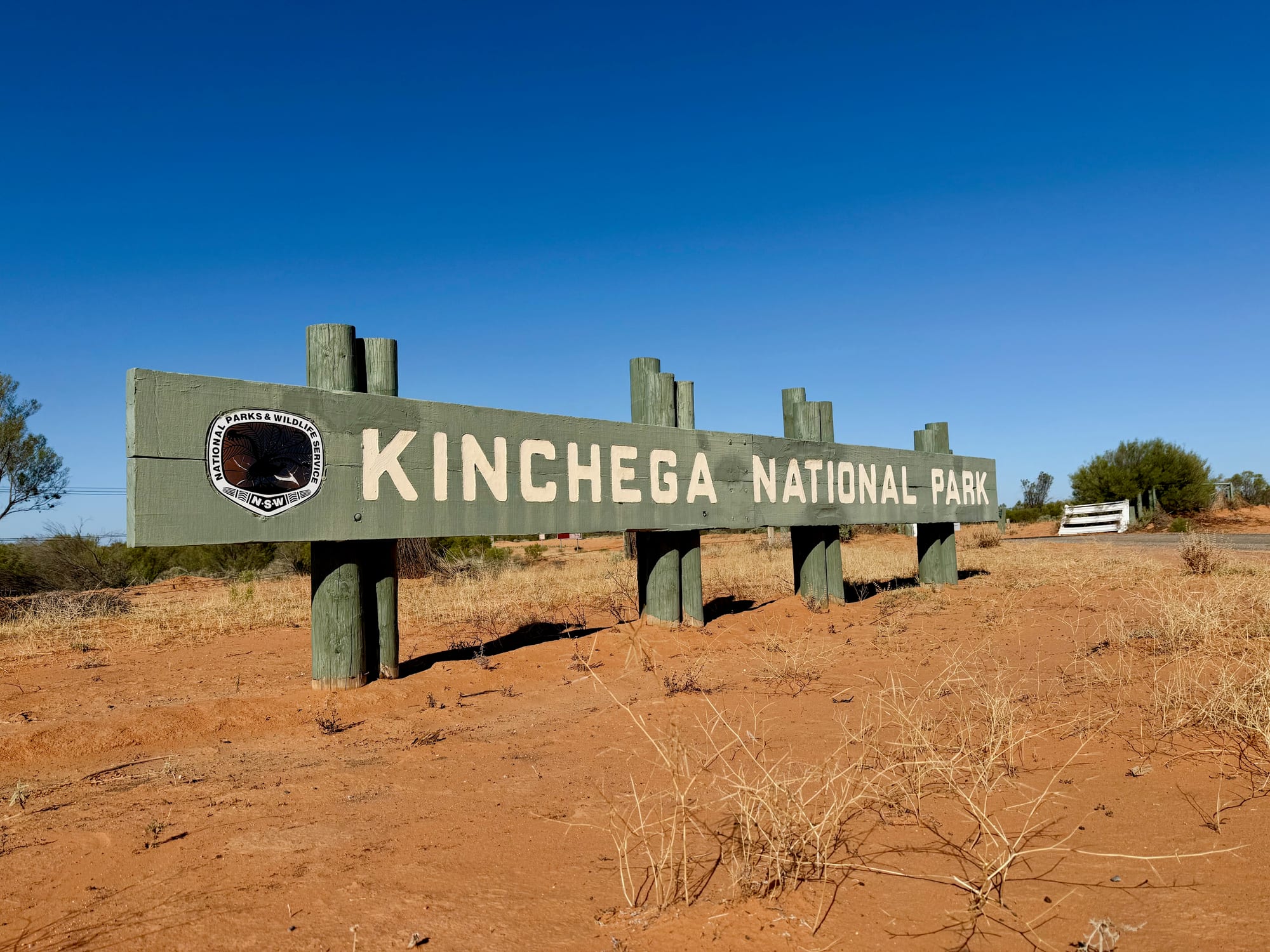
Kinchega was the next stop on our big trip through outback NSW, after two nights at Mungo. Getting there takes you down a long gravel road to Pooncarie, along the Darling River and through Menindee. We spent one night in the park in December 2025, at Emu Lake, and we had the campground to ourselves.
Below you’ll find the drive in, the places we visited, with our scores and a link to each full review, and what to know before you go.
About Kinchega National ParkAbout
Kinchega National Park sits beside the town of Menindee and the Darling River in far west NSW. NSW National Parks describes river red gums along the river, plenty of birdlife and a long Aboriginal and pastoral history. The park is jointly managed with the Menindee Aboriginal Elders Council.
The old Kinchega Station is at the heart of it, with the historic Woolshed, the Shearers’ Quarters and the Visitor Centre all on Woolshed Drive. The Visitor Centre is unstaffed and always open. Park entry is $8 per vehicle per day, paid by envelope at the pay station as you come in, so bring the right coins.
Best time to go
We went in late December. NSW National Parks gives summer averages of 18 to 34°C, with records near 50°C, so summer means planning around the heat. Spring is the time it recommends for camping, when it’s cooler and the park comes to life.
- SpringBest timeSeptember–NovemberCooler daysThe park comes to life
- AutumnBest timeMarch–MayMilder days for camping and drives
- WinterFairJune–AugustMild daysCold nights
- SummerTake careDecember–FebruaryVery hot days; carry plenty of water
Getting There and AccessibilityGetting there
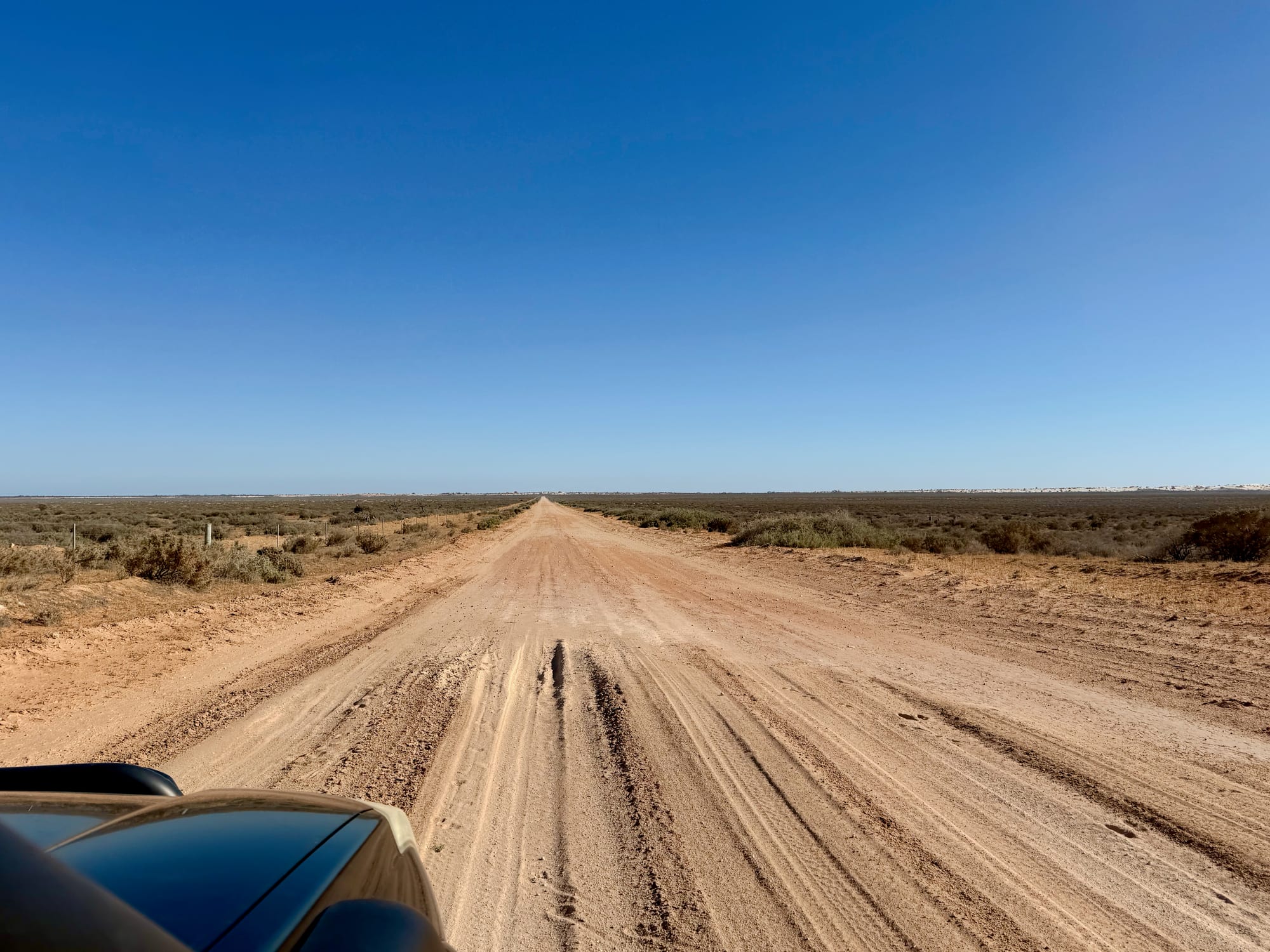
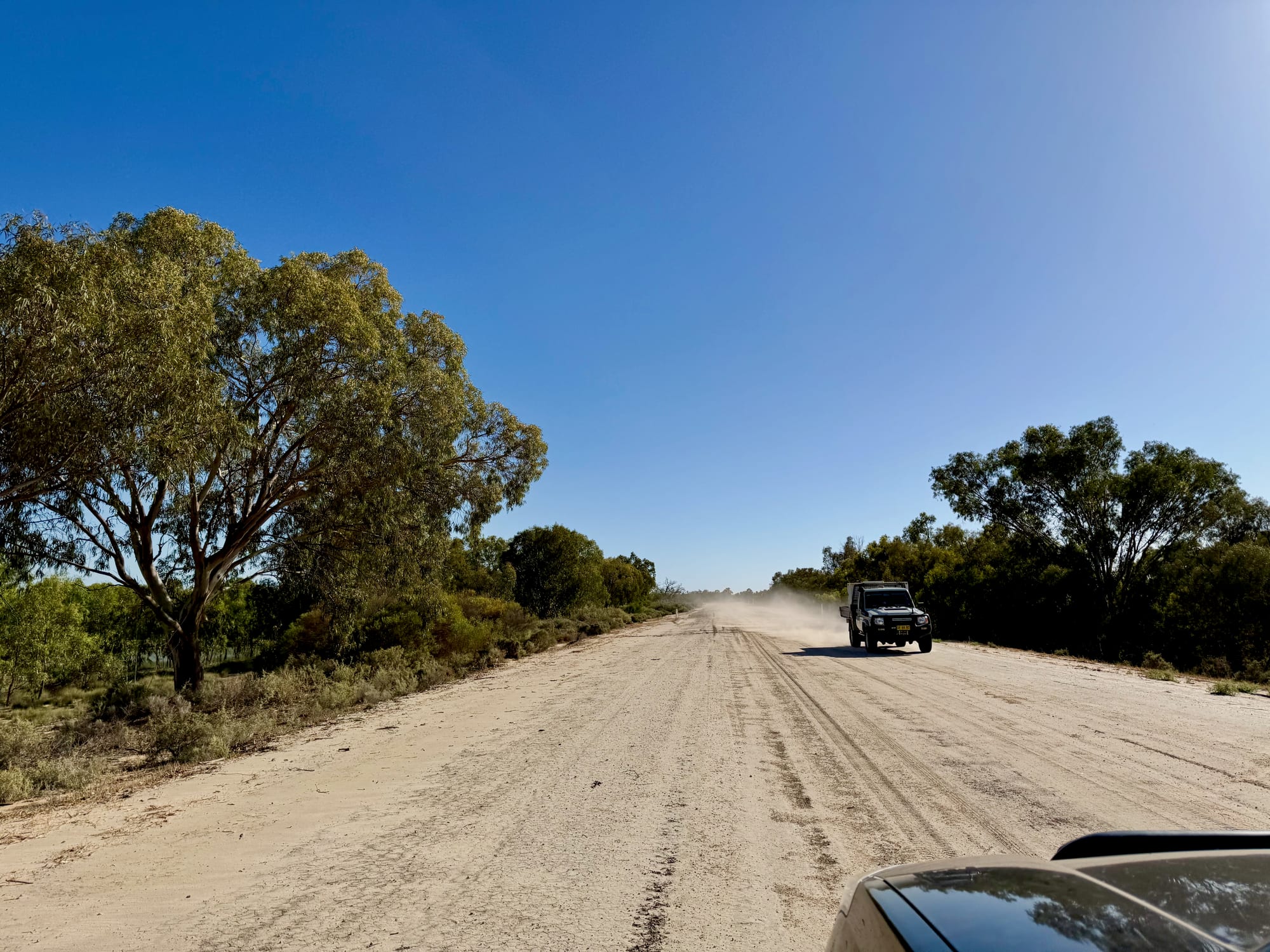
We came from Mungo Main Campground to Pooncarie, a long stretch of 84 km on gravel roads. We took it easy, as there are quite a few larger potholes and patches of softer sand. It feels very remote, and you can see all around you as far as the landscape stretches. It took us about 3 hours with a few stops, and we only crossed paths with one other car. It was beautiful. Having left busy Sydney only three days before, we felt like we’d landed in a completely different country.
Most hire companies don’t allow unsealed roads in a standard car, so check the terms or book a 4WD. We may earn a commission if you book through these links.
Pooncarie
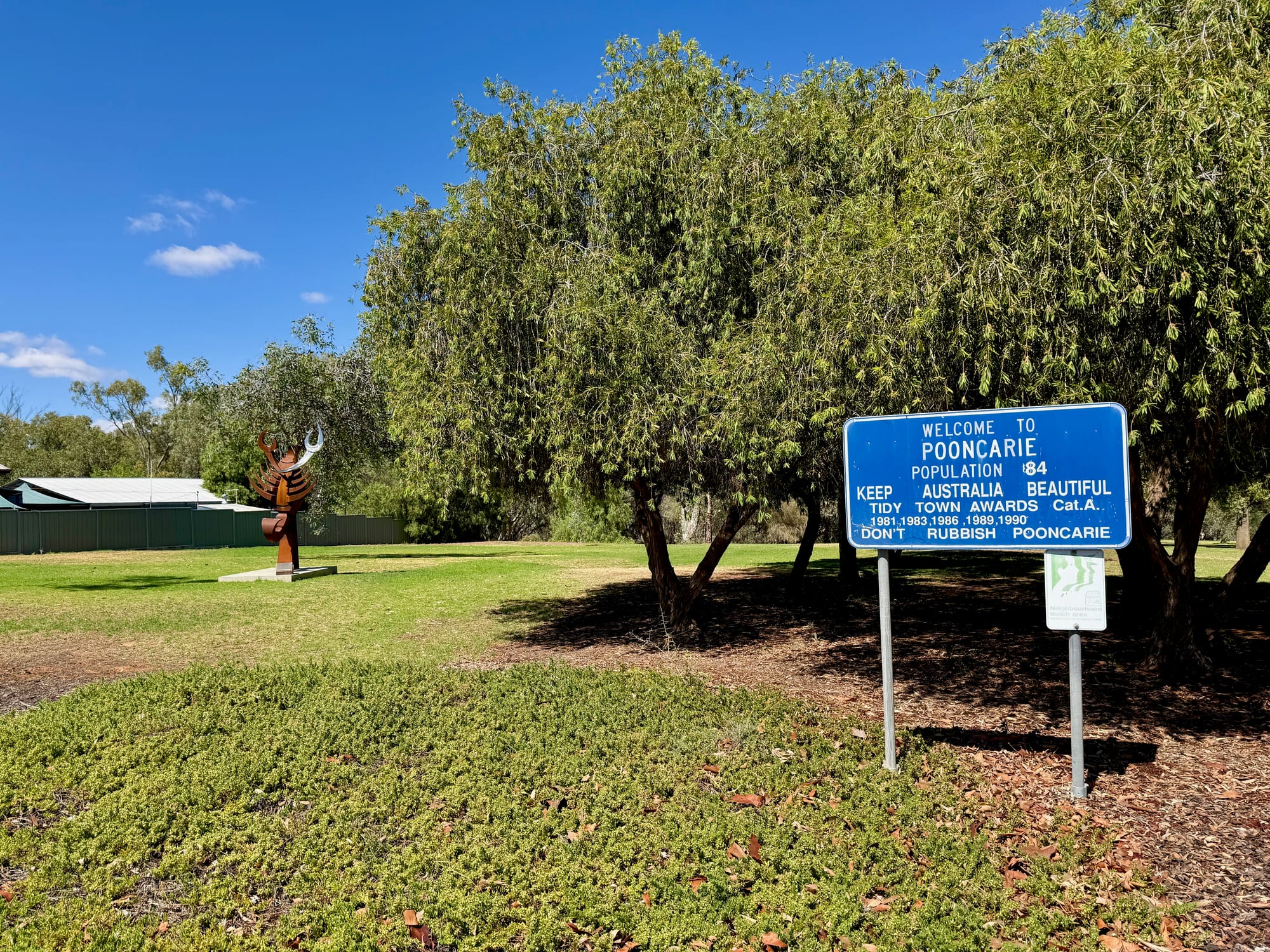
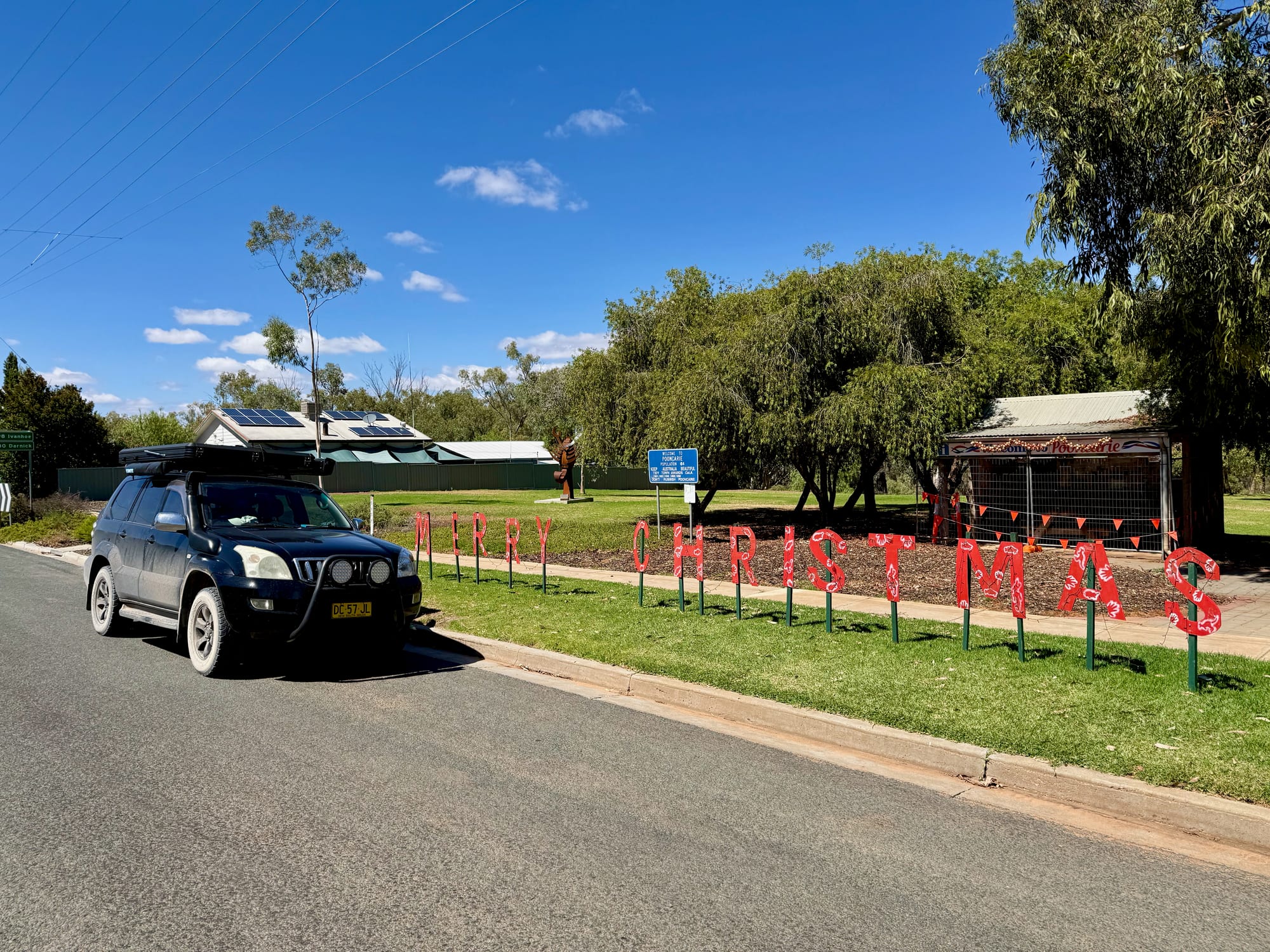
We loved Pooncarie. What a great little village. Make sure you stop here, and call in at the petrol station for some food and local souvenirs.
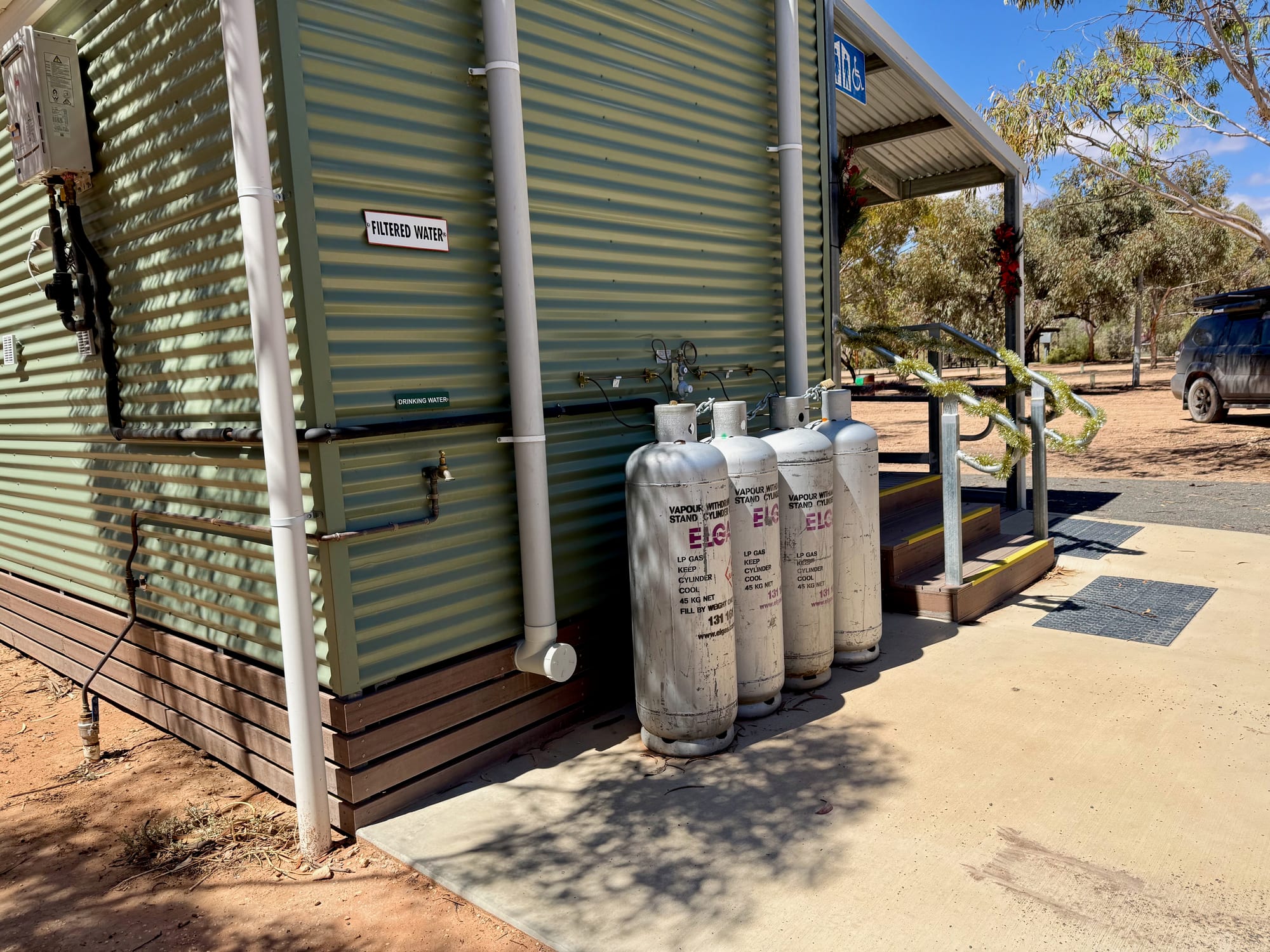
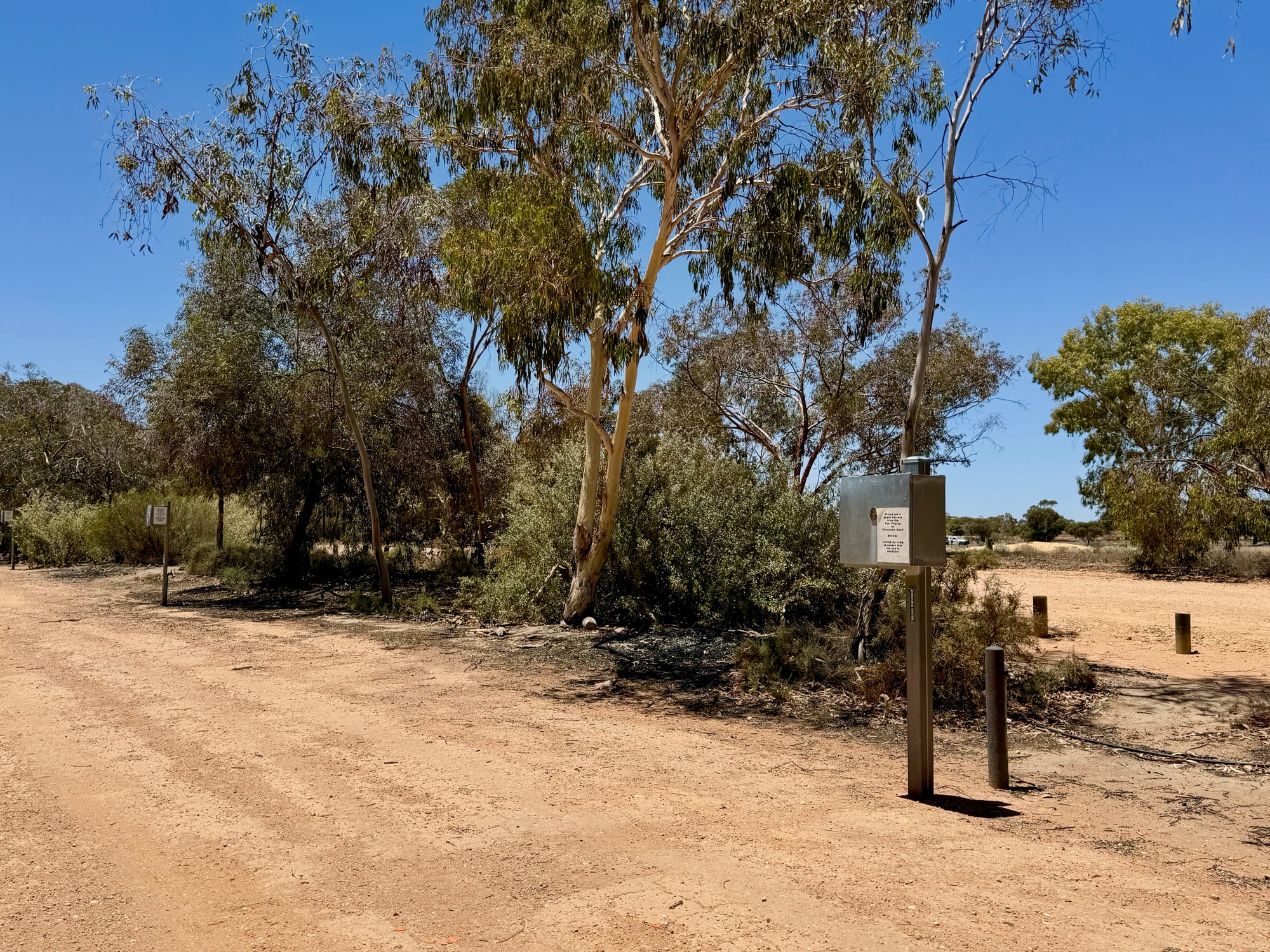
We had a long lunch stop at Pooncarie Park, which has a spotless toilet and shower block. You can wash clothes there too, and there’s a drinking water tap on the outside to fill up your tanks. They were the cleanest facilities we’ve ever seen. Only the laundry costs money; the showers, toilets and water are free. There are also camp spots in the park, with power and a water connection, which you book in town.
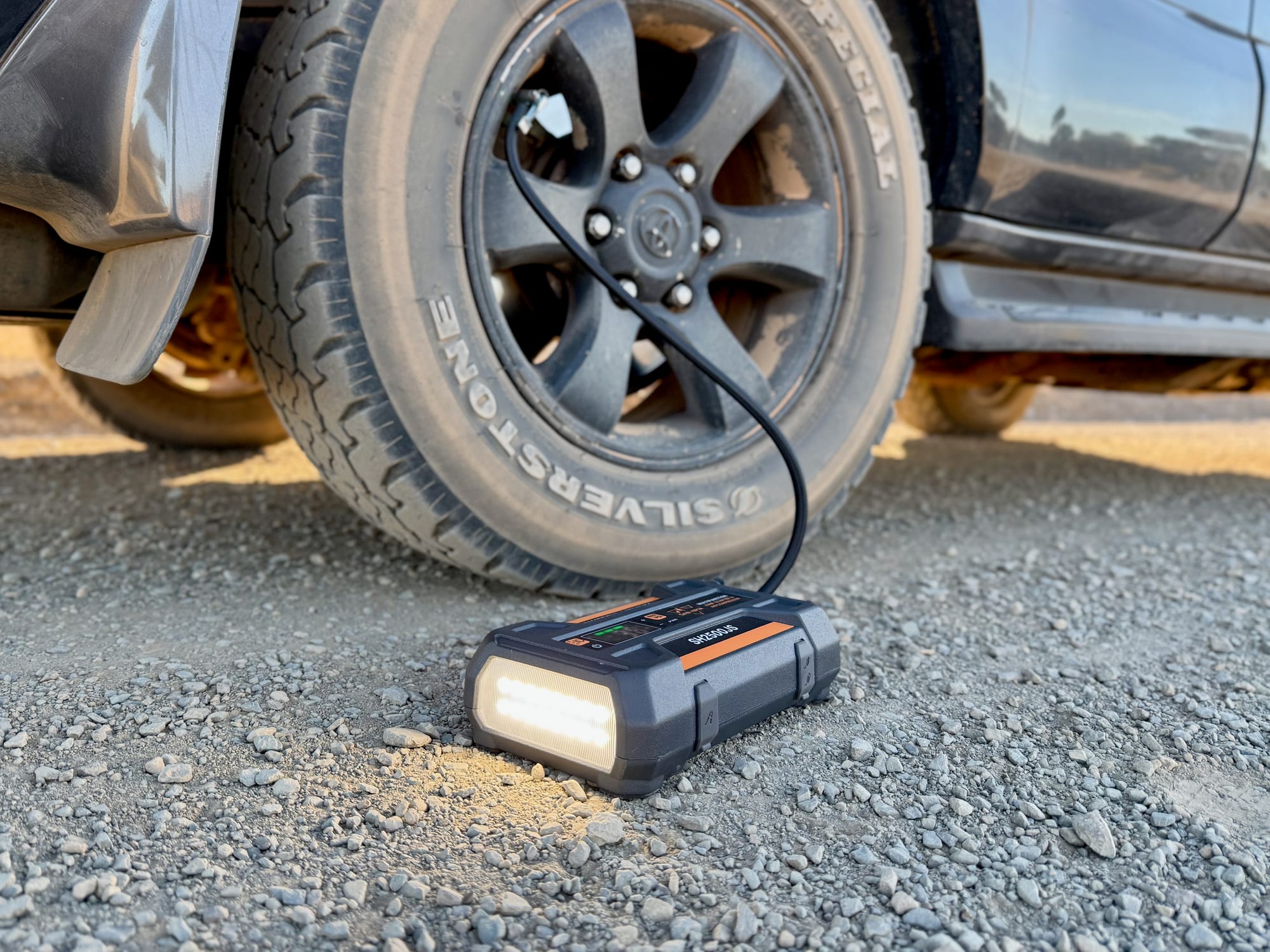
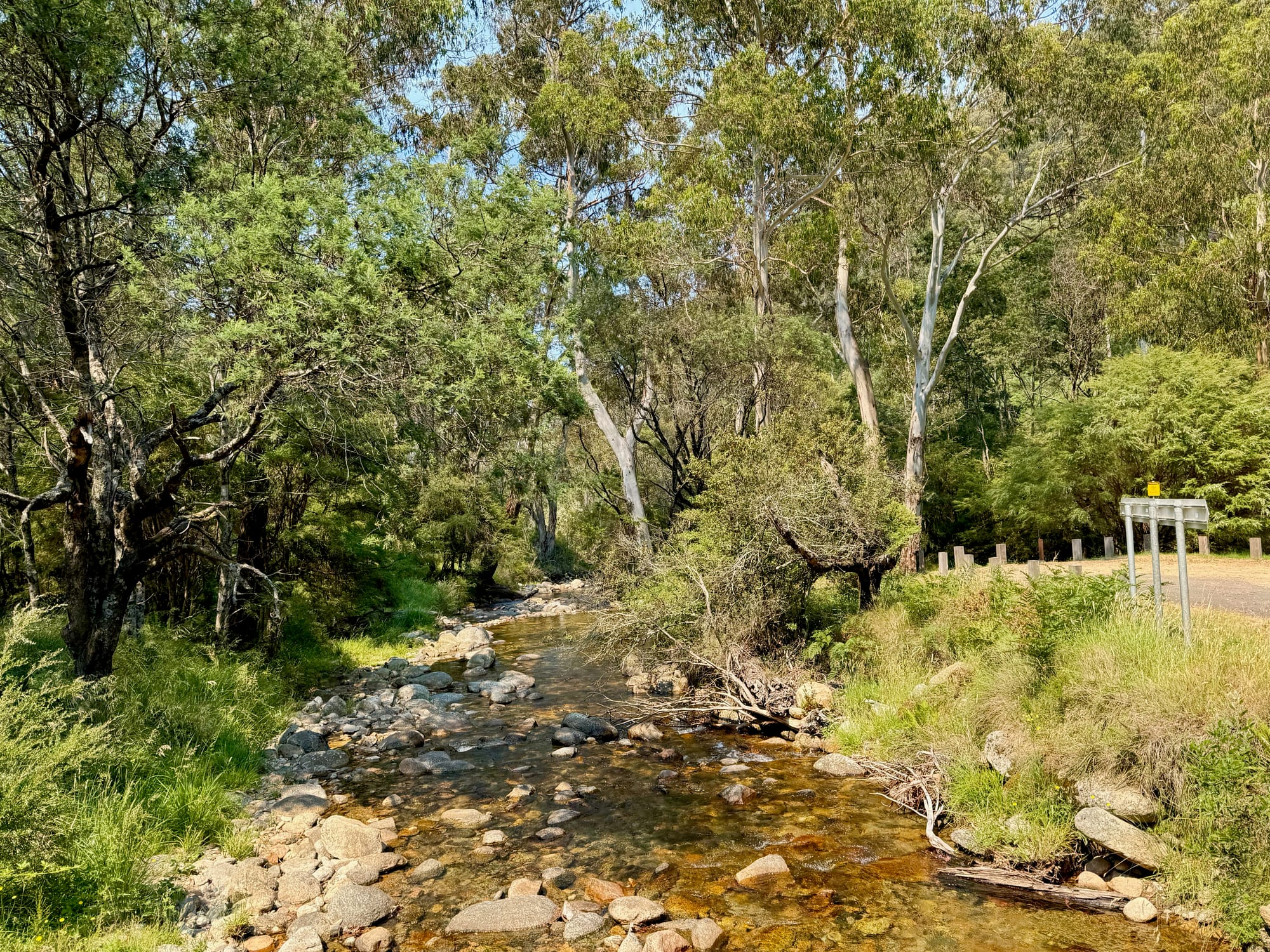
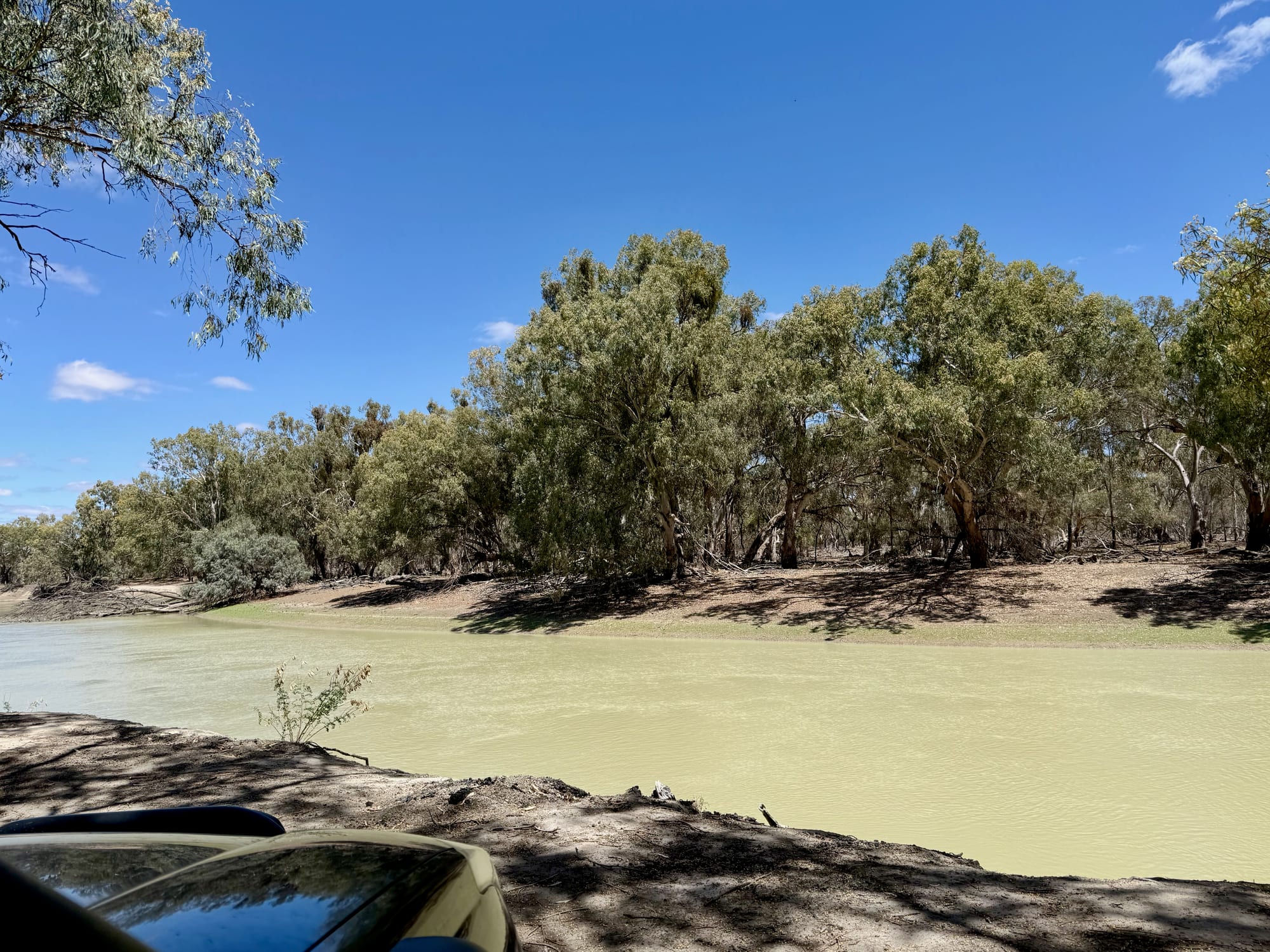
If you carry on alongside the river, there are many spots right on the riverside where you can stop and relax. We had our lunch on the bank of the Darling under the river red gums, and pumped our tyres back up after the gravel with our San Hima jump starter and air compressor.
Menindee and into the park
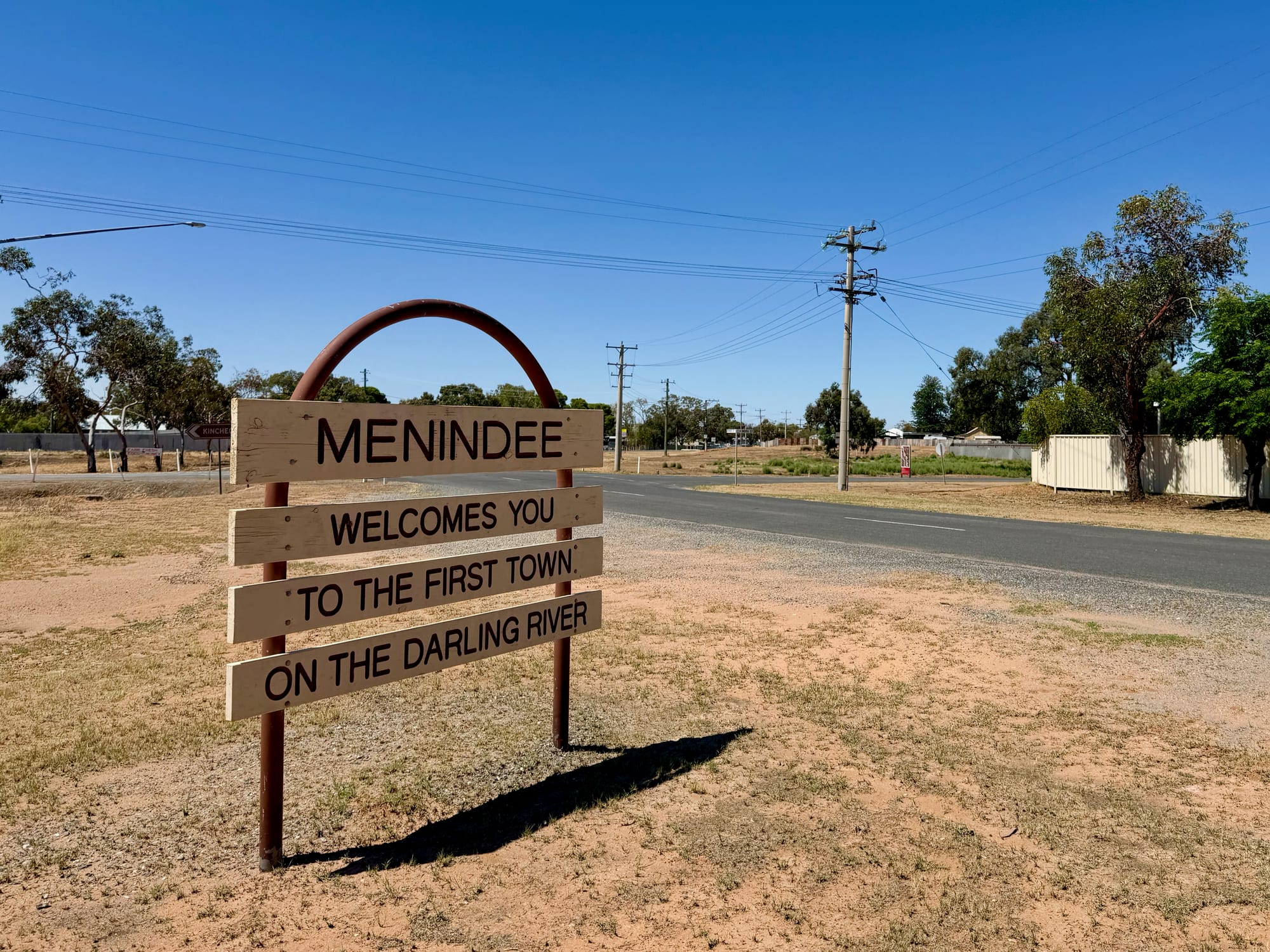
From Pooncarie, the road is sealed to Menindee, the first town on the Darling River, as its welcome sign says. We stopped at the supermarket there for supplies before heading into the park. The entrance and pay station are just out of town.
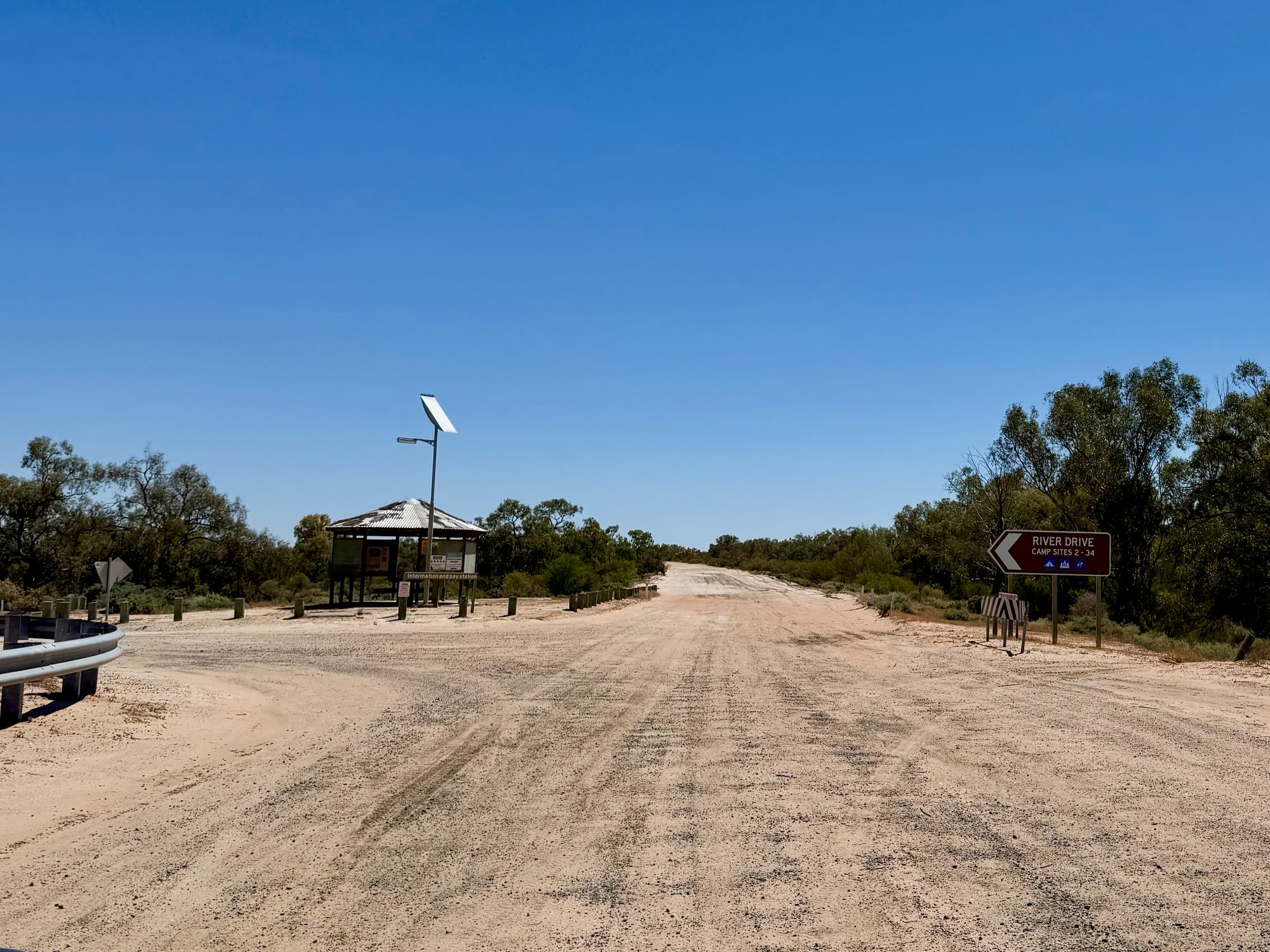
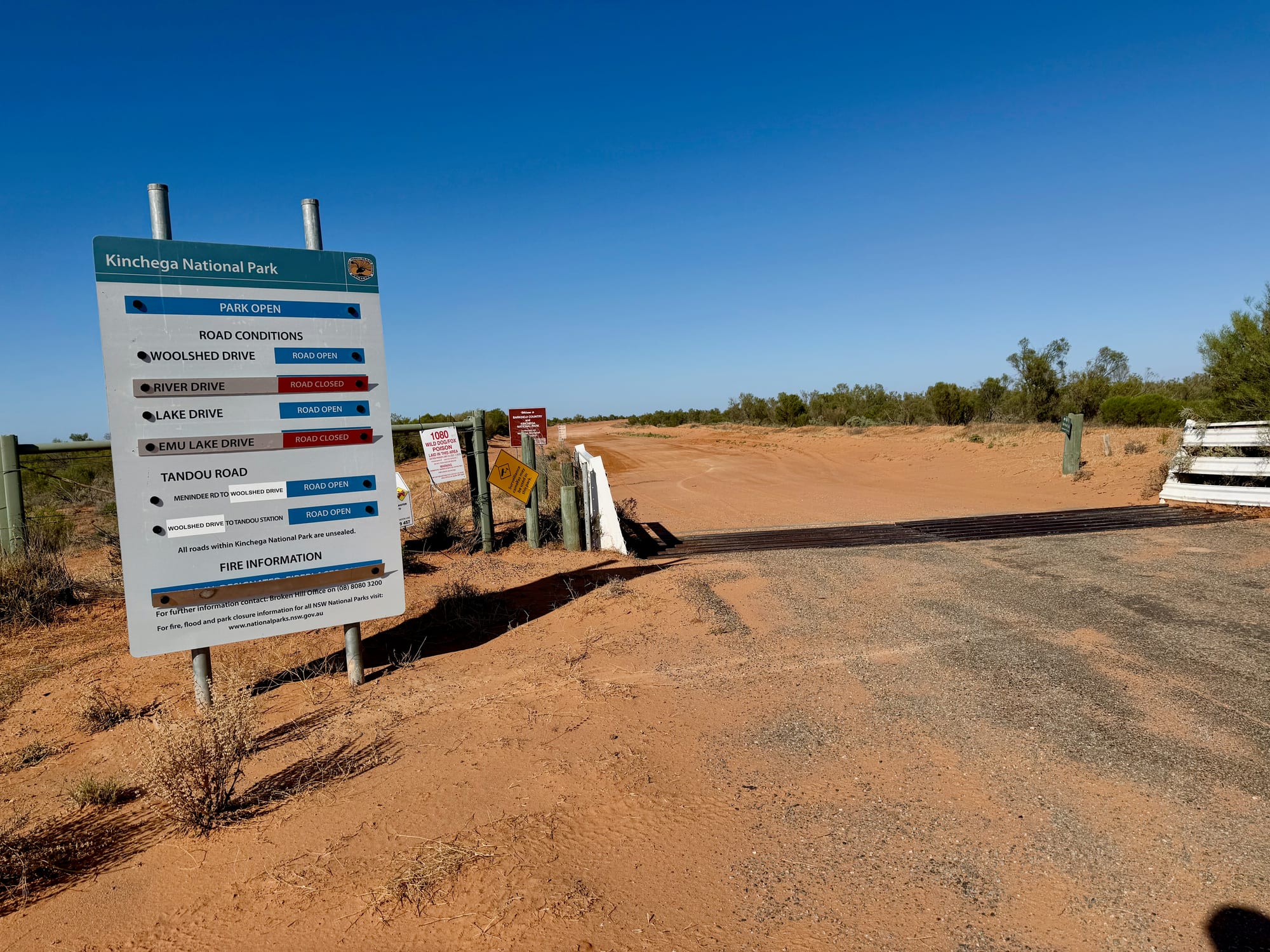
All the roads in Kinchega are unsealed, and NSW National Parks lists them as suitable for a 2WD in dry weather only. A board at the entrance shows which drives are open. When we left, Woolshed Drive and Lake Drive were open, but River Drive and Emu Lake Drive were closed. Check it, and the park alerts, before you head in.
Campgrounds in Kinchega National ParkCampgrounds
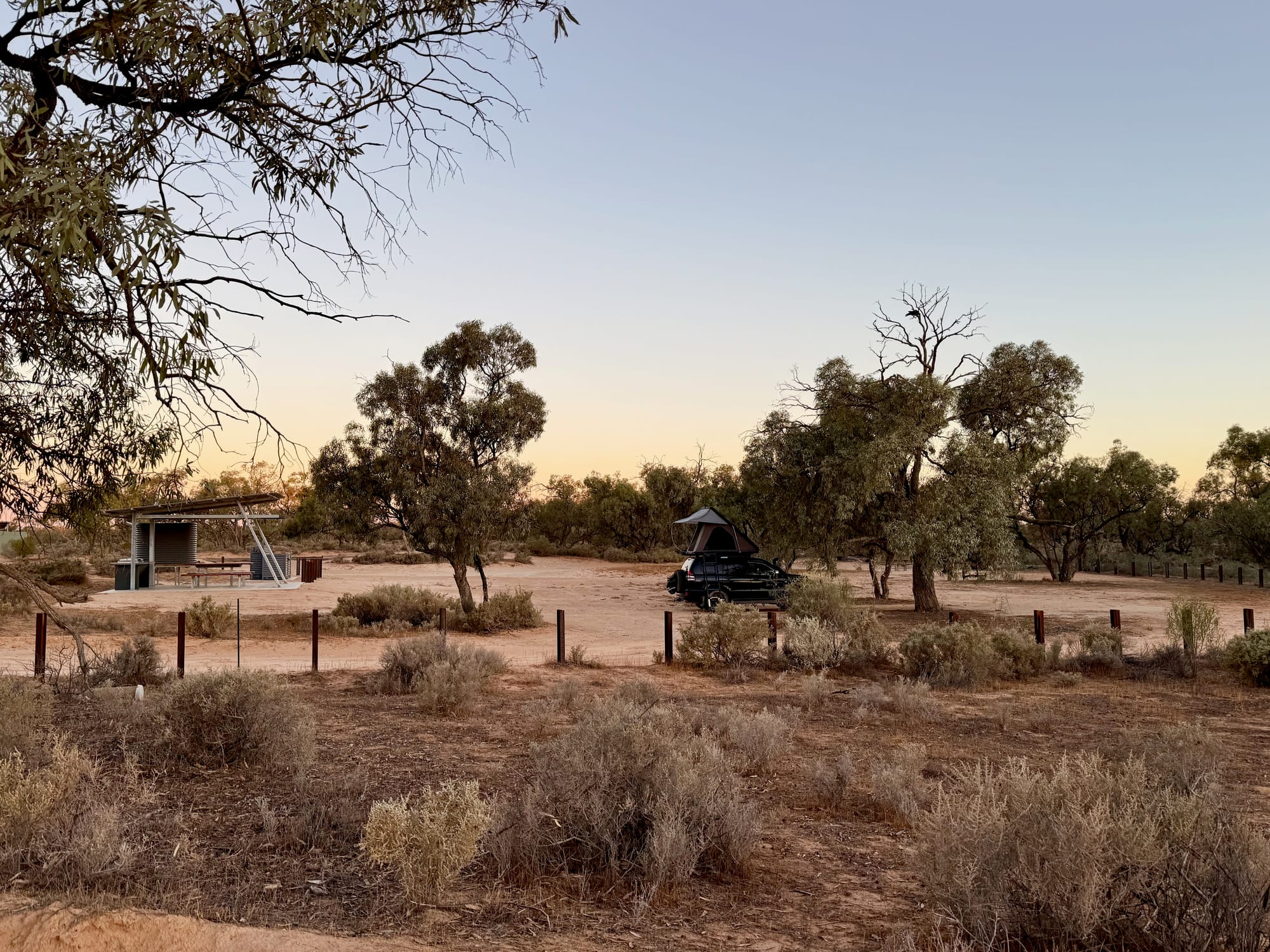
We stayed at Emu Lake, a small camp near the Woolshed with spotless, brand-new facilities and emus all around. The drive in is beautiful, with a lot of wildlife, and it’s very isolated. We had no phone reception, and we were the only ones there that night.
The park has two other campgrounds we didn’t stay at. The Darling River campground has its sites along River Drive, among the river red gums, and there’s also Cawndilla campground. The Shearers’ Quarters are an option if you’d rather have a roof, with hot showers and bore water for campers.
Emu Lake Campground, Kinchega
Scored 8.9 out of 10- $12 a night for 2
- $8 per vehicle per day
- No phone reception
- Toilets
- No dogs
Our take: A small, quiet campground in Kinchega National Park with a handful of unmarked sites, a long-drop toilet and a covered camp kitchen. Bring your own water and check the roads first. Read more
What we like
- Spotless, very new facilities
- Camp kitchen with electric BBQs
- Lots of emus around camp
- Quiet: we had it to ourselves
- Only $12 a night for two
- Close to the Kinchega Woolshed
What we don’t
- No phone reception
- No showers at camp
- Roads close in wet weather
Sights
The Kinchega Woolshed was our stop before camp. It was built in 1875, and six million sheep were shorn there. Everything was open, so we could walk in and see the museum. NSW National Parks also lists the Old Kinchega Homestead, the PS Providence historic site and the Morton Boulka picnic area, which we didn’t get to. The emus, kangaroos and sunsets around Emu Lake were a highlight on their own.
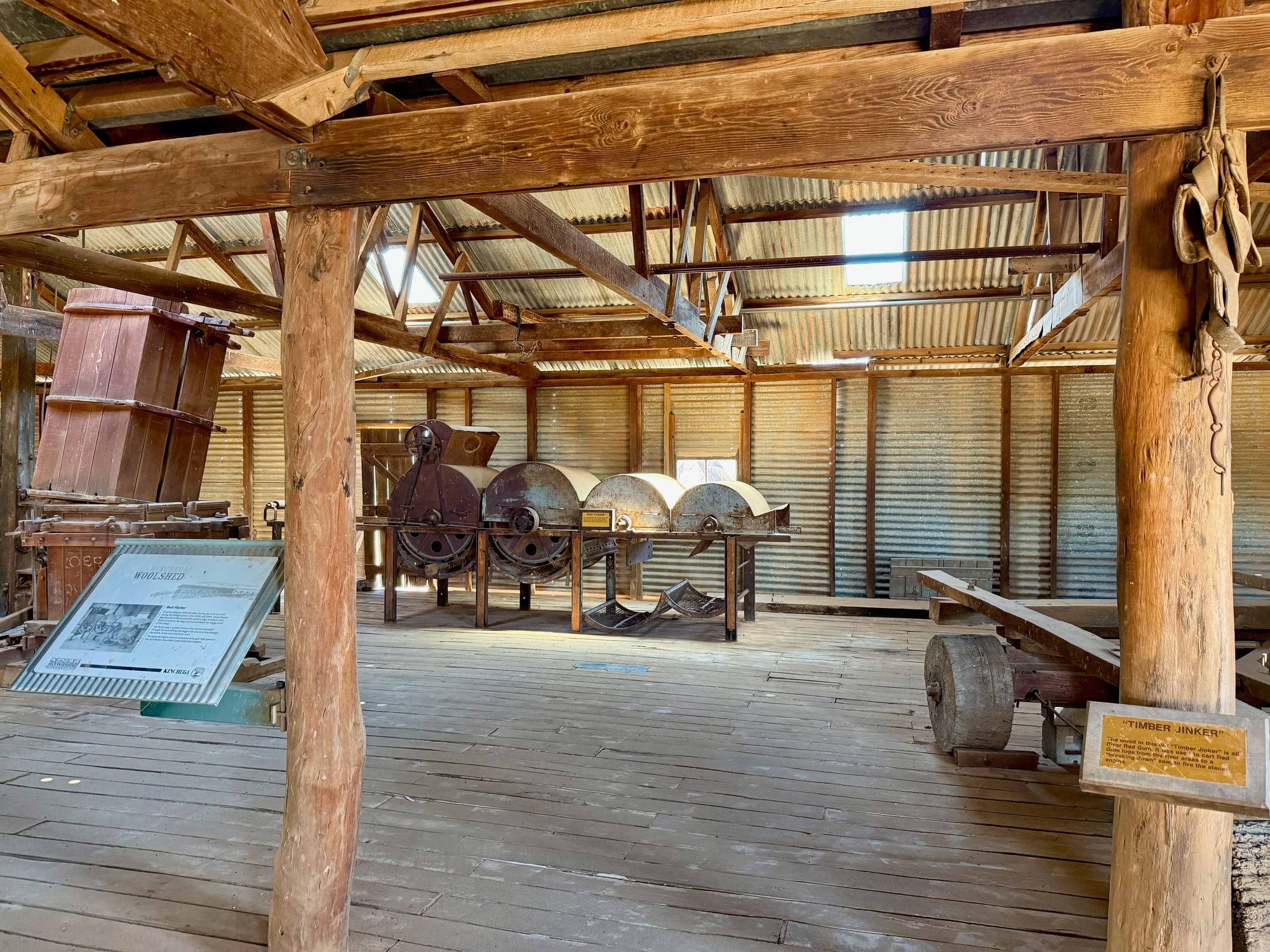
Kinchega Woolshed
Scored 8.1 out of 10- Included in the $8 per vehicle per day park entry
- Toilets
- No dogs
Our take: The historic shearing shed of Kinchega Station, built in 1875 and open for you to walk in. Allow half an hour, more if you read the boards. Read more
Onwards to Broken Hill
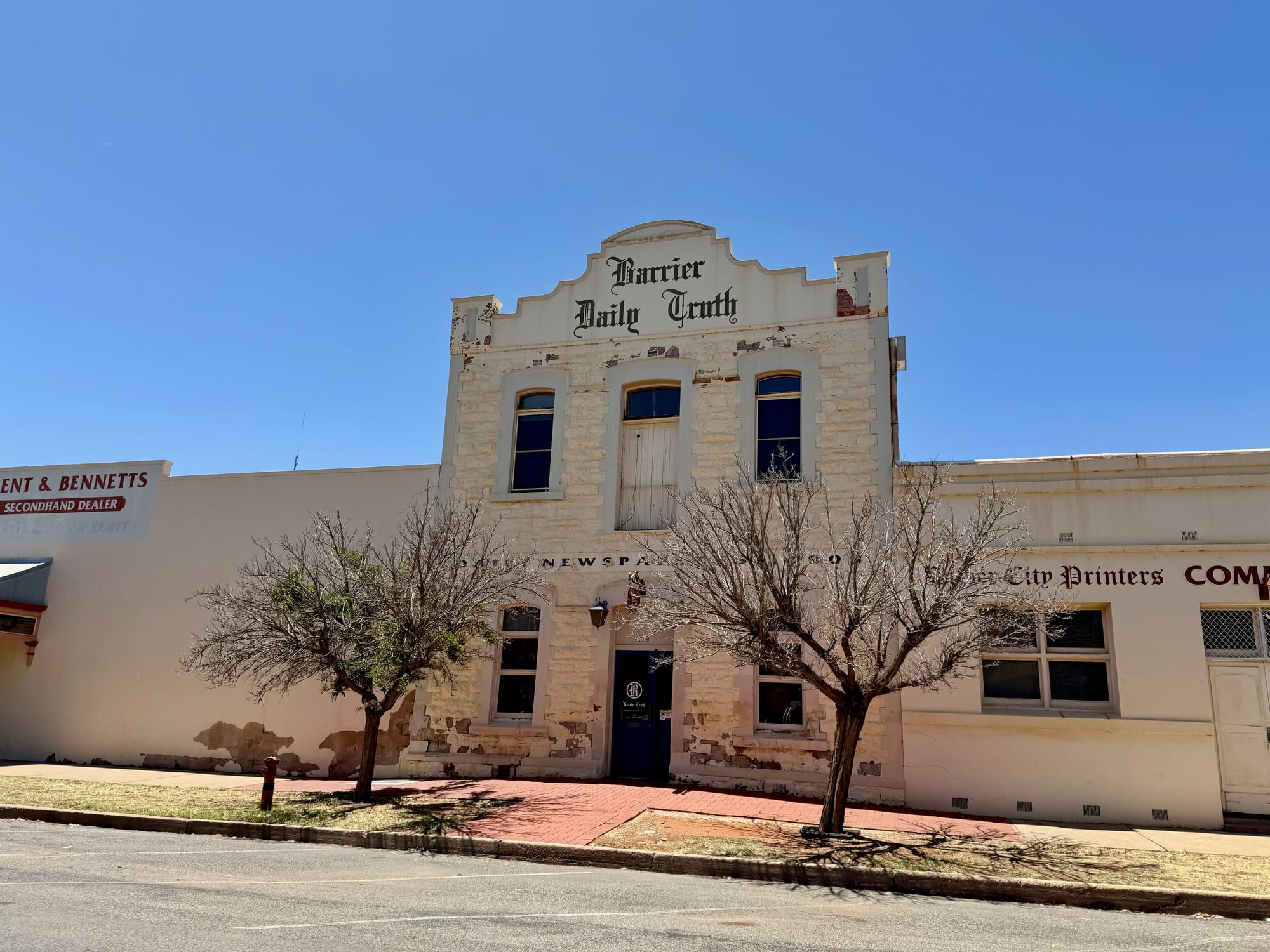
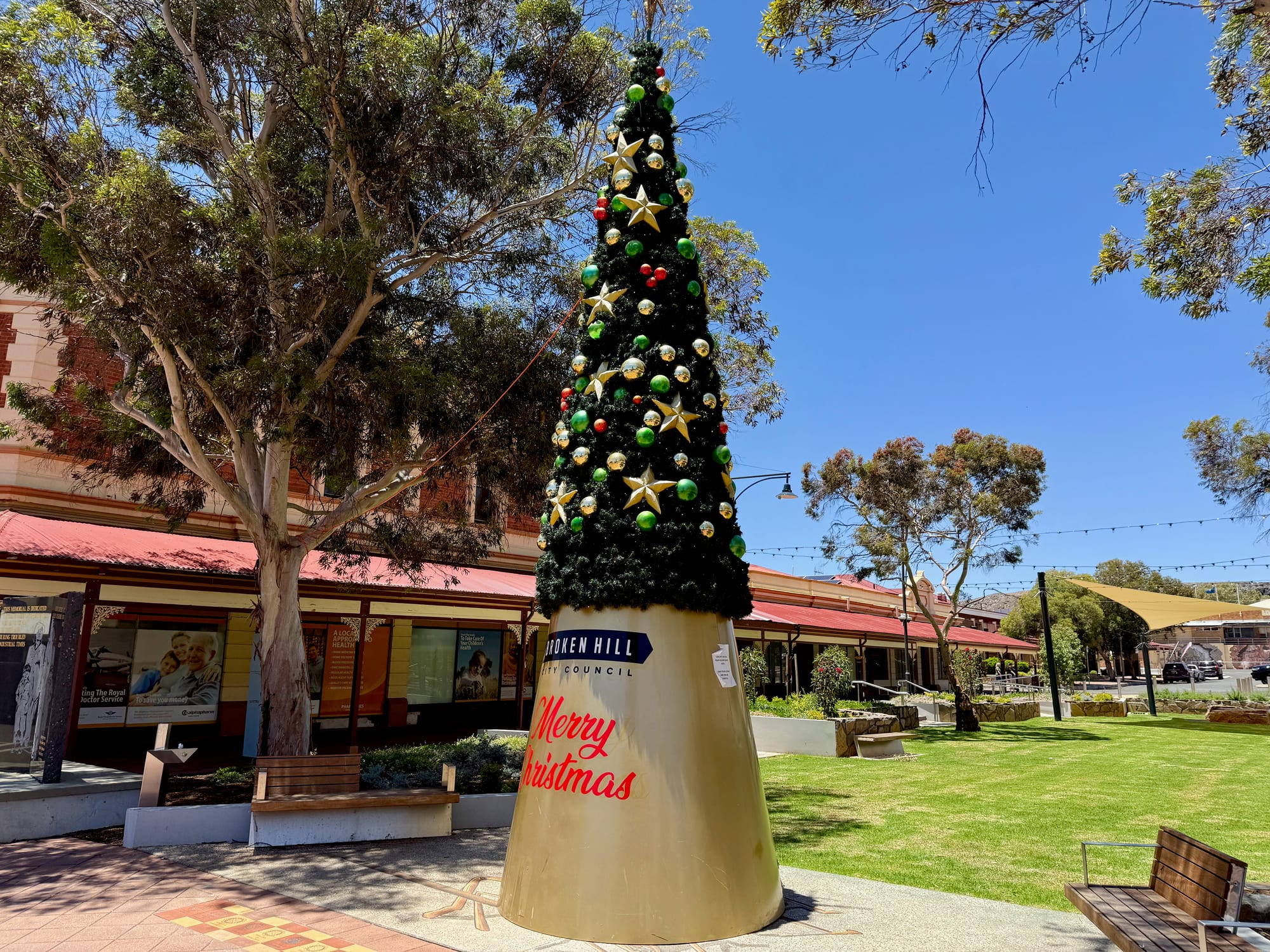
From Kinchega we drove the last stretch to Broken Hill, where we spent a few hours and had lunch. It’s a fantastic town, and we highly recommend making a stop: it has old mining town energy combined with fancy and modern, and some good lunch spots. It’s also big enough for a larger Woolworths and the like, so we stocked up there before continuing to the Flinders Ranges in South Australia. If you’re heading that way too, don’t stock up on certain fruits and the like before you cross the border, as South Australia has rules on what you can bring in.
Practical TipsPractical tips
Kinchega is a quiet, isolated outback park, with long gravel roads and limited phone reception. A bit of planning before you drive in makes the stay much easier.
- Book before you lose reception. Book your campsite before you leave reception. We had none at Emu Lake.
- Bring your water. Bring all your drinking water. Fill up at Pooncarie Park if you come in that way.
- Bring coins. Bring coins for the park entry envelope: $8 per vehicle per day.
- Check the road board. Check the road board at the entrance; drives close after rain.
- Take the gravel slowly. Take the gravel from Mungo slowly, and pump your tyres back up before the bitumen.
- Mind the SA border. Heading on to South Australia? Don’t stock up on certain fruits before the border; check what you can bring in.
Summary
Kinchega is a quiet, easy-going outback park with spotless camps, a slice of station history and emus everywhere. Stop in Pooncarie on the way, stock up in Menindee and give it at least a night.
A quiet, isolated park with great facilities and wildlife everywhere.
We only had one night, at Emu Lake, but with the Woolshed, the emus and a stop in Pooncarie on the way in, it’s well worth a night.
- 4WD tourers
- Campers
- Travellers
Yes. Park entry is $8 per vehicle per day and Emu Lake is $12 a night for two, for spotless facilities and a camp you may have to yourself.
Recommended Gear for Kinchega
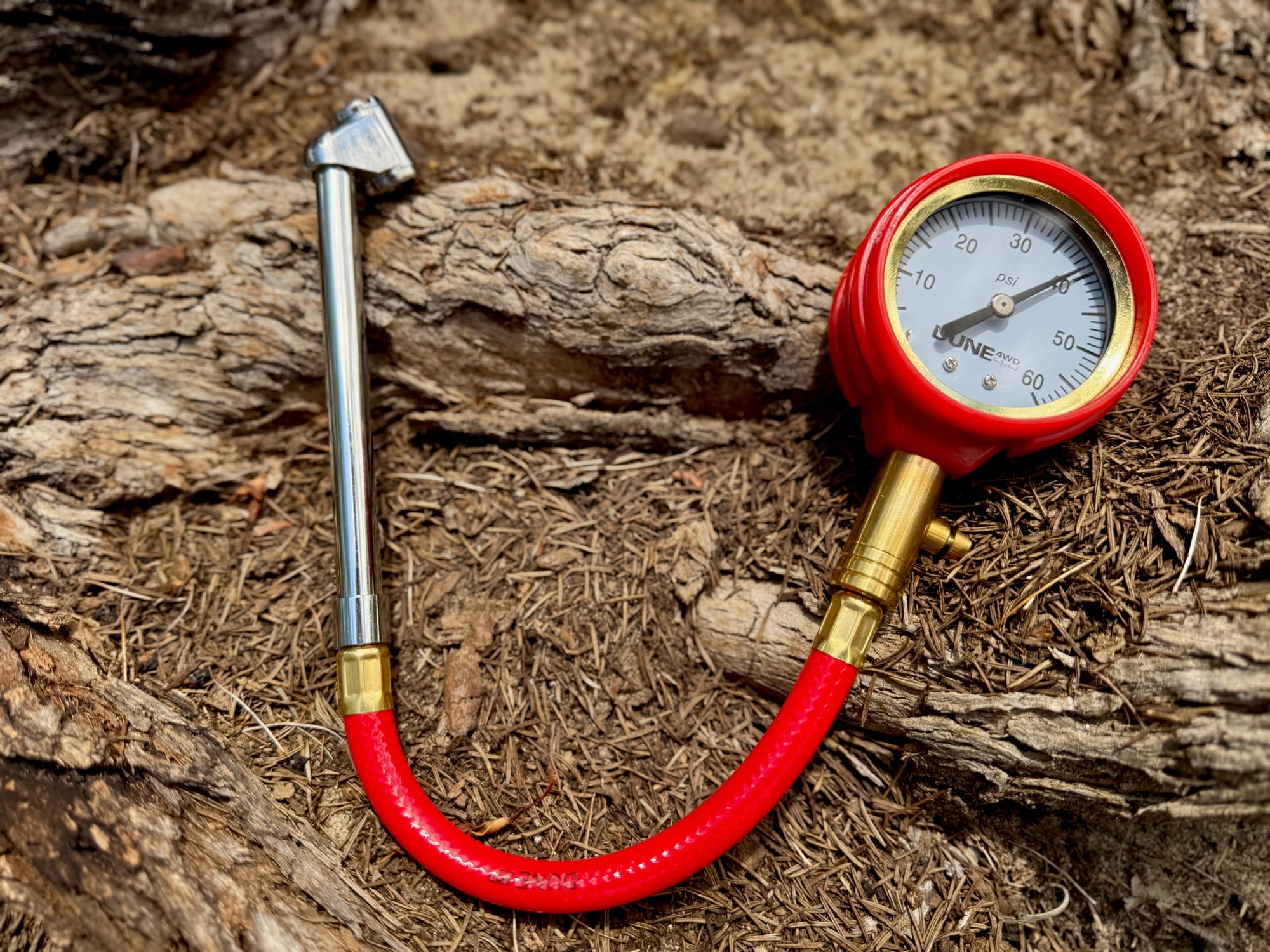
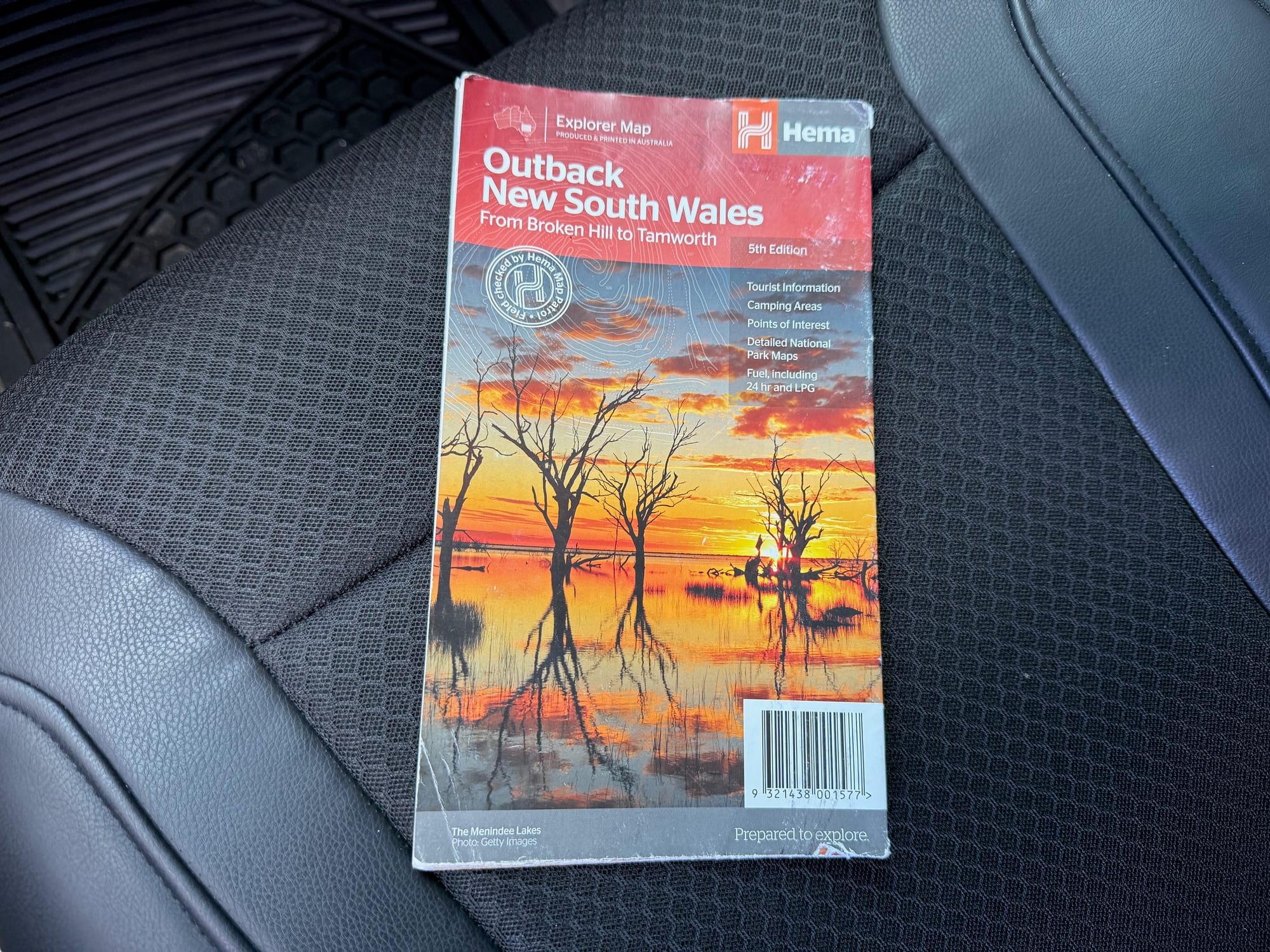
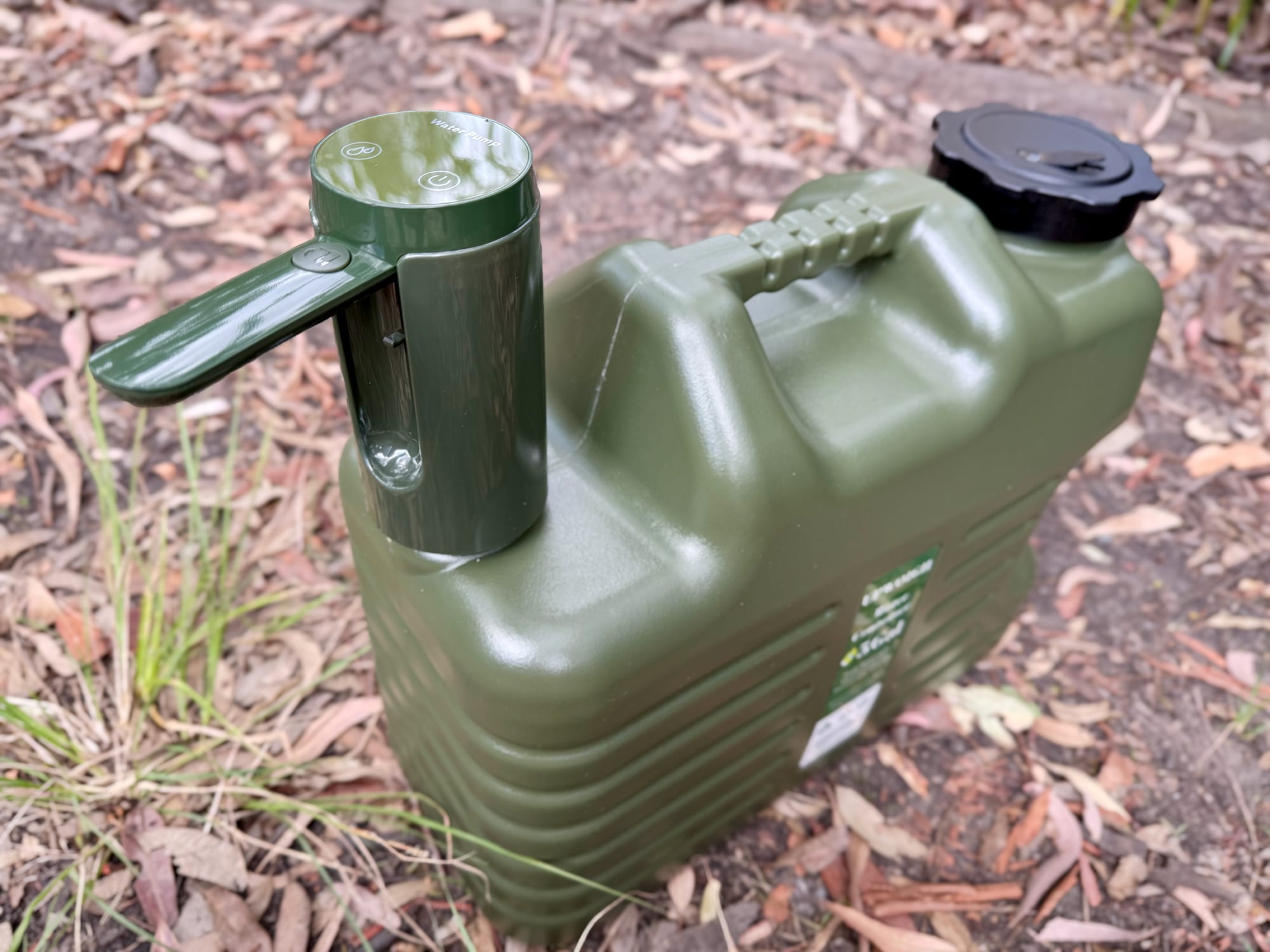
On the gravel from Mungo, a San Hima jump starter and air compressor gets your tyres back up to road pressure, and a tyre pressure gauge helps you check them before and after. With no reception in much of the park, our Hema Outback New South Wales map covers Kinchega and the roads in. There’s no drinking water in the park, so carry plenty in good water containers.