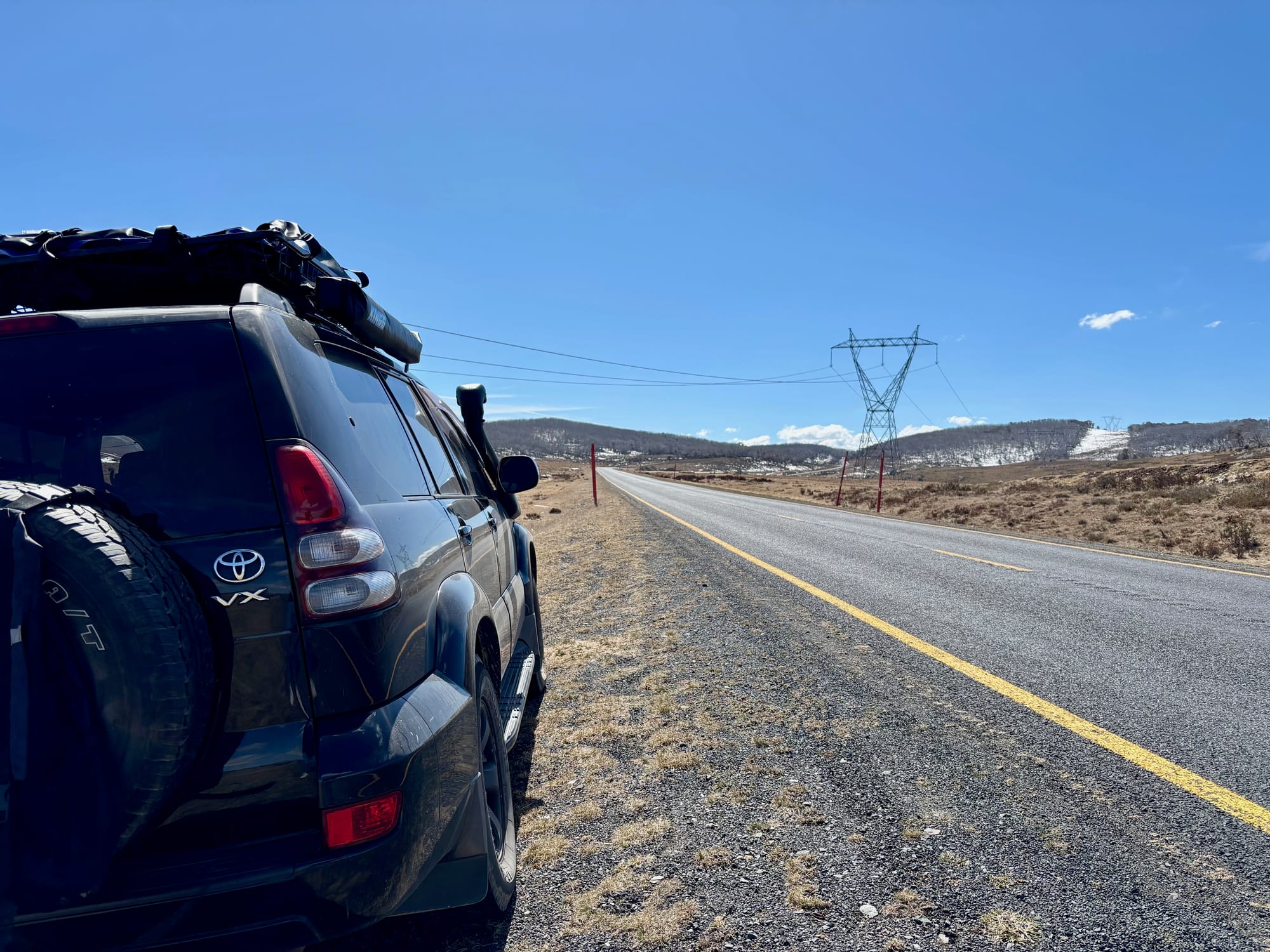
You don’t need the newest, most expensive rig to start 4WD touring. I do it in a 2006 Toyota Prado, mostly on weekends around Sydney: the Blue Mountains, the Central Coast and the national parks west of the city. What you do need is a vehicle in good shape, a few pieces of gear that get you out of trouble, and a plan.
This guide to 4WD for beginners covers what to sort out before your first touring trip, in the order I’d buy it. It isn’t about tackling the Canning Stock Route. It’s about getting started and building confidence.
Must-haves: the vehicle, recovery gear and tyresMust-haves
These are the things that keep you safe and get you home. Sort them out before you spend anything on comfort.
Get the vehicle ready
Before any trip, make sure the 4WD is in good mechanical condition. Check the fluids, brakes, suspension and belts. A breakdown a long way from help isn’t the adventure you’re after.
All-terrain tyres are a good starting point. They balance comfort on the road with grip off it. Mud-terrain tyres grip harder but are noisier on bitumen. Whatever you run, they need plenty of tread. Check that your 4WD has rated recovery points at the front and rear, because many factory tie-down points aren’t made for recovery forces. If yours has none, budget for having them fitted.
A suspension lift gives more ground clearance and helps on rough tracks. It’s worth it if you get serious, but you don’t need it for your first trips. And keep an eye on weight: everything you add counts towards what your vehicle may legally carry, so keep a running total as you kit it out.
- Before every trip
- Fluids, brakes, suspension, belts
- Tyres
- All-terrain, plenty of tread
- Recovery points
- Rated, front and rear
- Suspension lift
- Not needed to start
Recovery gear
Sooner or later you will get stuck. It’s a question of when. Recovery gear is the first thing to buy, before any comfort items.
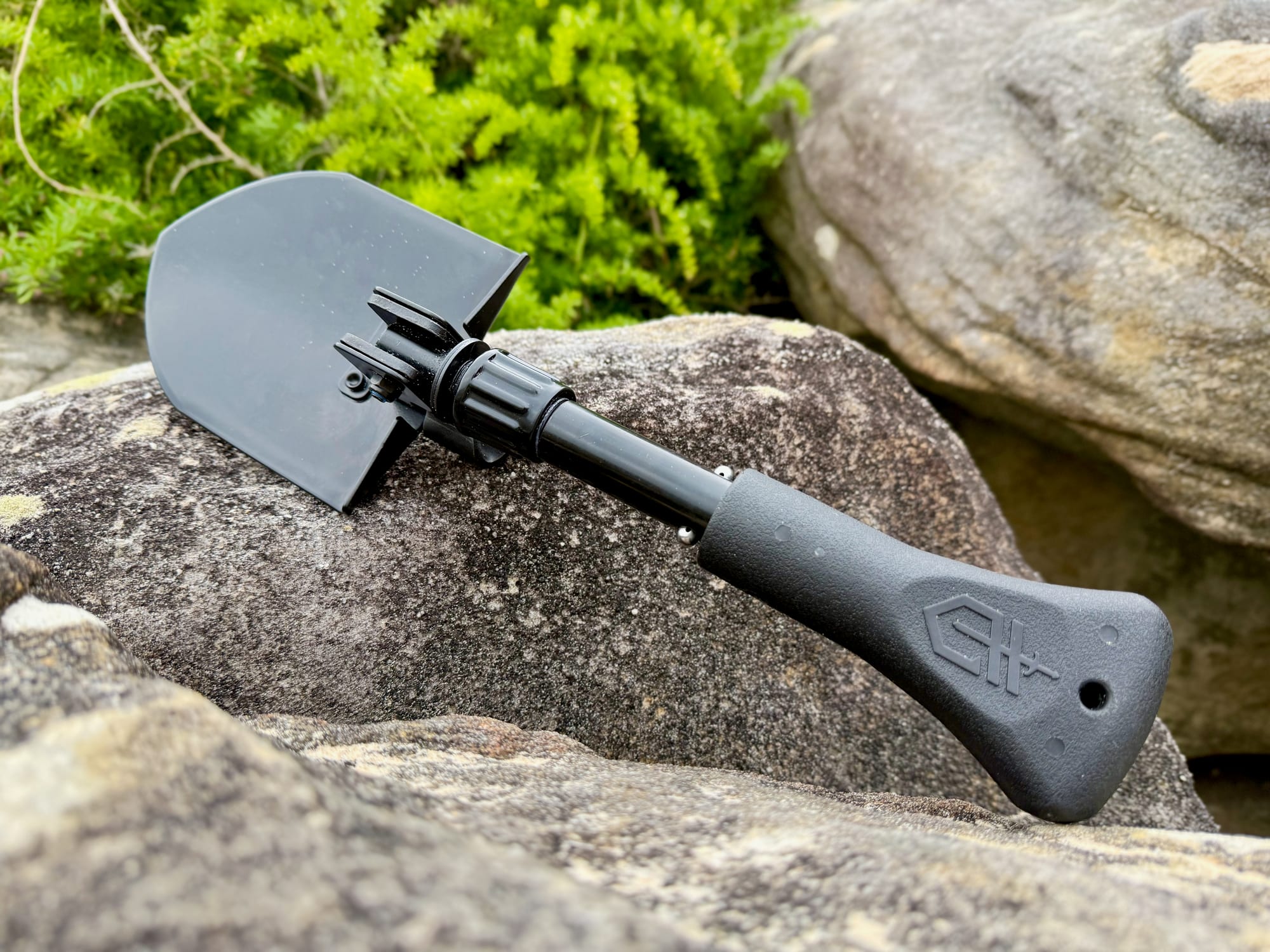
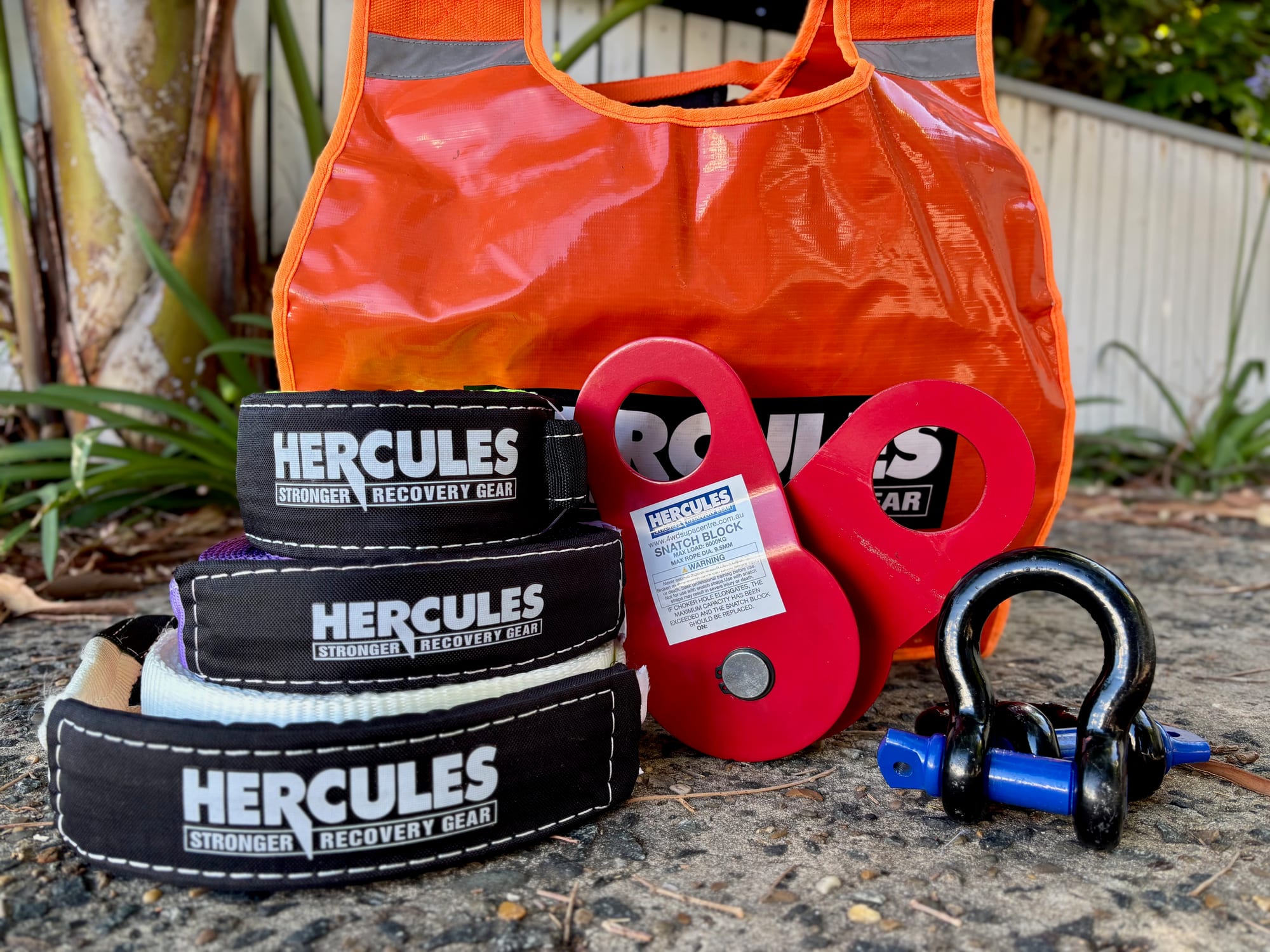
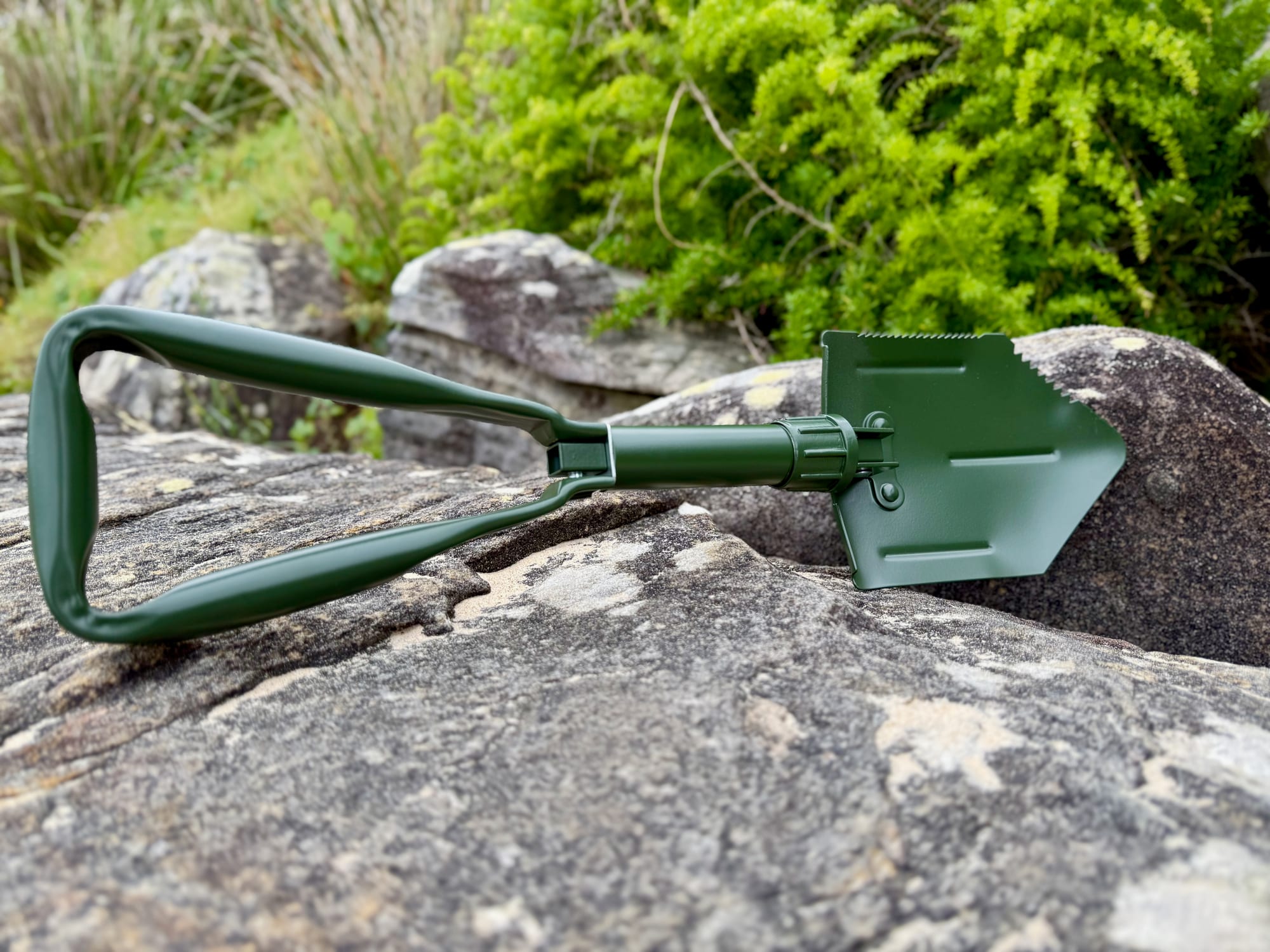
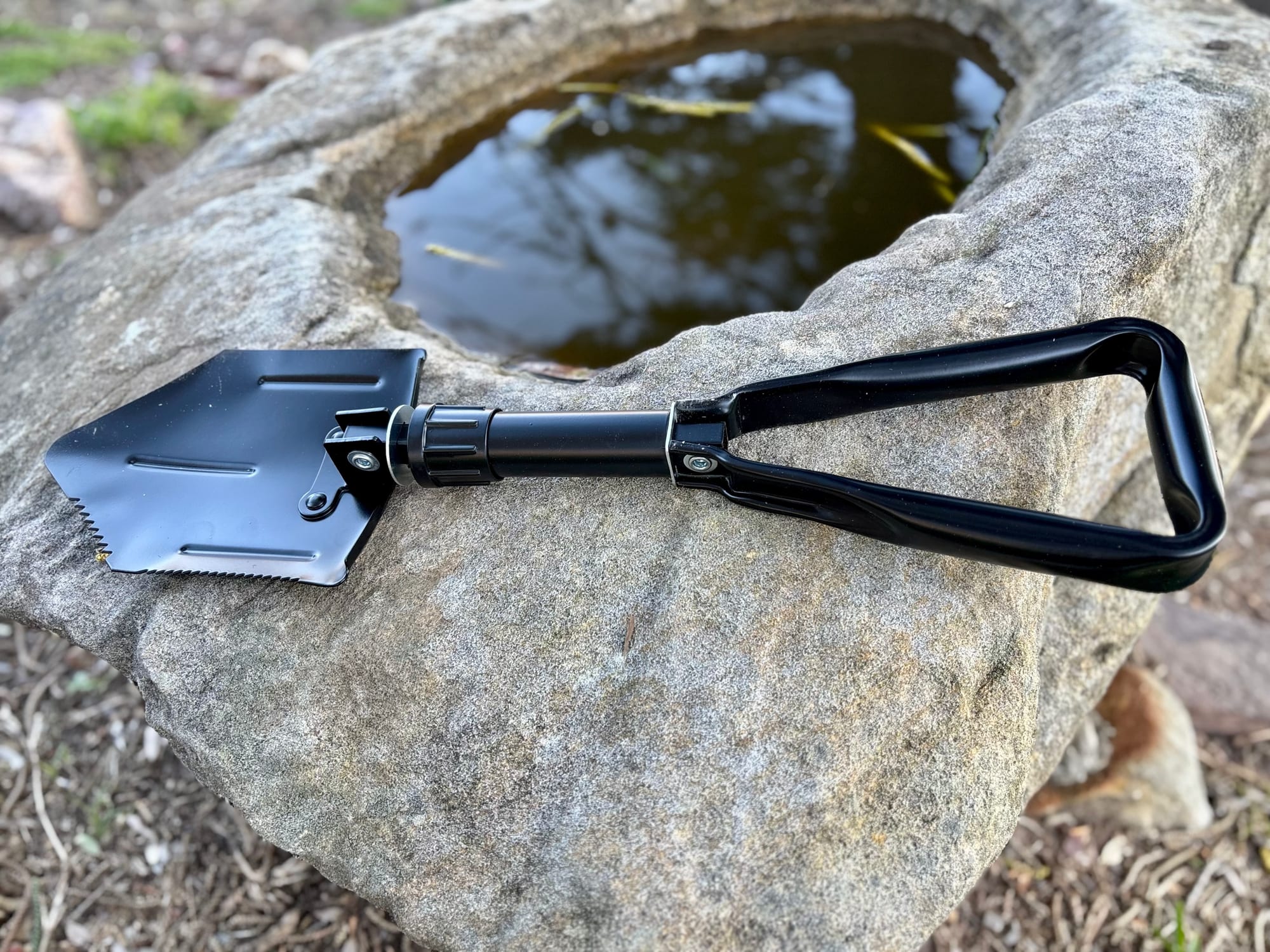
A basic kit has a snatch strap, rated bow shackles, a tree trunk protector, a damper to lay over the strap, gloves and a long-handled shovel. Match the ratings to the weight of your vehicle, and buy from brands that state a working load limit or minimum breaking strength. Cheap, unrated gear is dangerous. Our guide on how to calculate minimum breaking strength explains the numbers.
We’ve reviewed the CampBoss Premium Adventure recovery kit, which packs a kinetic rope, two soft shackles, a tree protector, a damper and gloves into one bag. Recovery boards are the other thing worth having, because they let you get yourself out without a second vehicle.
- Snatch strap or kinetic rope
- Rated for your vehicle
- Shackles
- Rated bow or soft shackles
- Also pack
- Damper, tree protector, gloves, shovel
- Never
- Recover off the tow ball

Tyre pressure
Your tyres are your only contact with the ground, and changing their pressure is the simplest way to get more grip. Lower pressure puts more tyre on the ground.
I always air down before driving on the beach on the Central Coast, to 18 to 20 psi, and the difference in grip is immediate. On long corrugated tracks I drop to around 25 to 30 psi, which smooths out the ride and lowers the risk of a puncture. Before heading home on the motorway, I pump back up to 35 to 40 psi.
That takes three tools: a deflator to let the air out, a 12V compressor to put it back in, and a gauge to check the result. Our guide on how to determine PSI for your 4WD tyres goes through the numbers for different terrain.
- Soft sand
- 18–20 psi
- Corrugations
- 25–30 psi
- Bitumen
- 35–40 psi

Comfort: power, light, shelter and waterComfort
With the safety gear sorted, these are the things that make a few days in the bush comfortable. You can add them one trip at a time.
Power and a fridgePower & fridge
An esky with ice is fine for a day trip. For several days off-grid, a 12V fridge changes how you eat. My partner loves cooking with fresh ingredients, so a fridge is a must for us. We’ve spent five days in the bush west of Sydney with fresh vegetables and meat every night.
A fridge needs power, and so do lights and phones. You don’t need a dual battery system to start. For trips of one to three days, a portable lithium power pack and a folding solar blanket to top it up during the day will do. We’ve reviewed the Kings 24Ah power pack and the San Hima 160W solar blanket. Later you can go further: on our Prado, a flexible solar panel on the rooftop tent now keeps the battery charged.
When you buy a fridge, check three things: how much power it draws in hot weather (it’s more than the average figure on the box), the lid seal and latches, and the space it needs around the vents. A fridge packed in tightly overheats and works harder.
- Trips of 1–3 days
- Power pack + solar blanket
- Dual battery
- Not needed to start
- Fridge check
- Draw in heat, seal, vent space

Lights
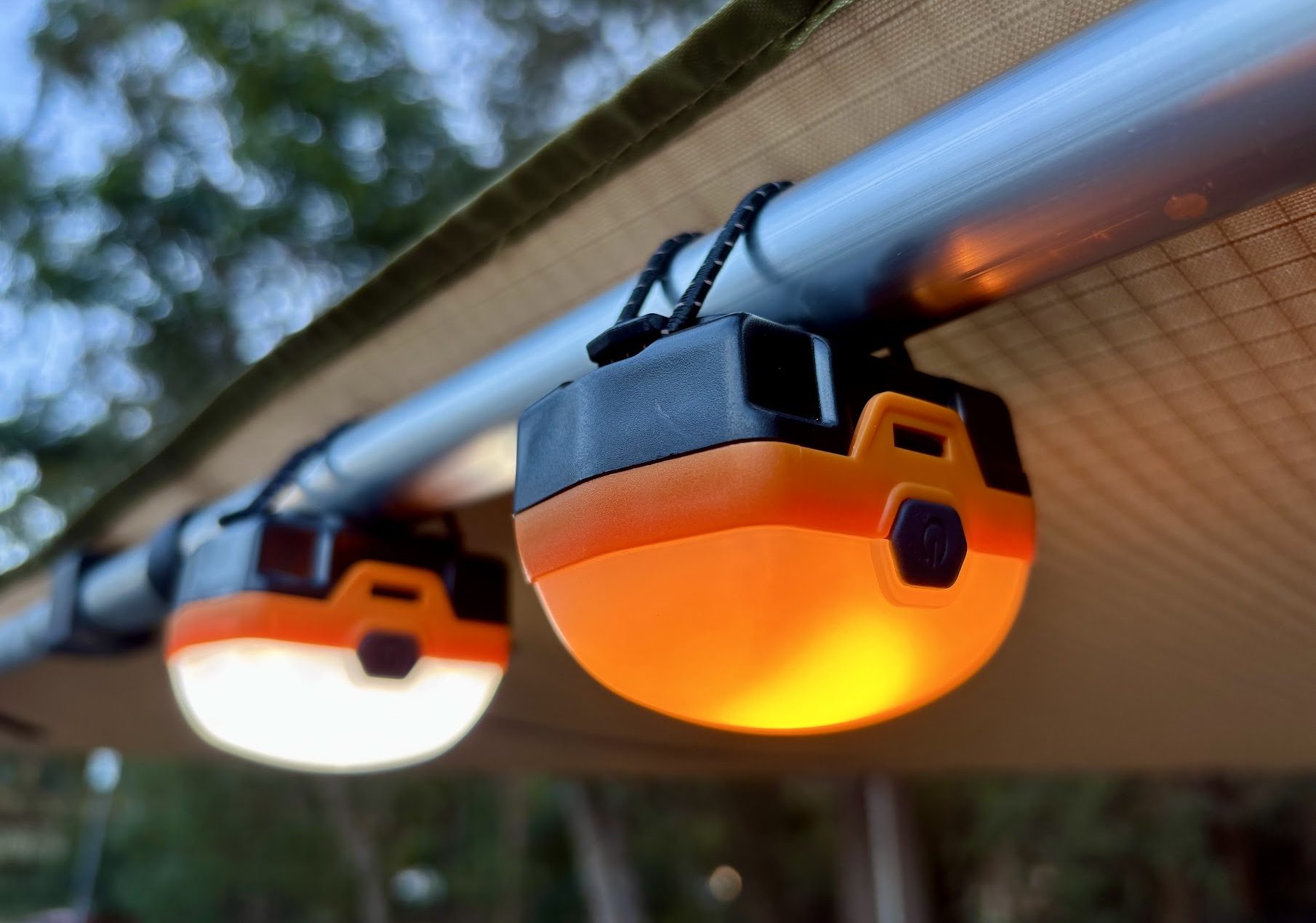
It gets dark early in the bush, and you’ll be cooking and setting up by torchlight more often than you expect. One head torch per person and one area light for the camp is enough to start. A head torch keeps your hands free for cooking, the walk to the toilet and finding things in the back of the car. An area light hung from the awning or a branch lights up the whole camp, so nobody has to point a torch at the cooking. Rechargeable lights save you buying batteries, and most charge over USB, so the power pack keeps them going. If you’re not sure how bright they need to be, see how many lumens you need for camping.
- Each person
- One head torch
- The camp
- One area light
- Charging
- USB, from your power pack
Shelter and sleepShelter & sleep
What you sleep in depends on how you travel. A dome tent is cheap and versatile. A swag is quick to roll out and suits one or two people who like little fuss. A rooftop tent sets up fast and keeps you off the ground, but it needs roof racks and adds weight and height to the vehicle. We sleep in a rooftop tent on the Prado: see the best rooftop tents and best swags we’ve tested.
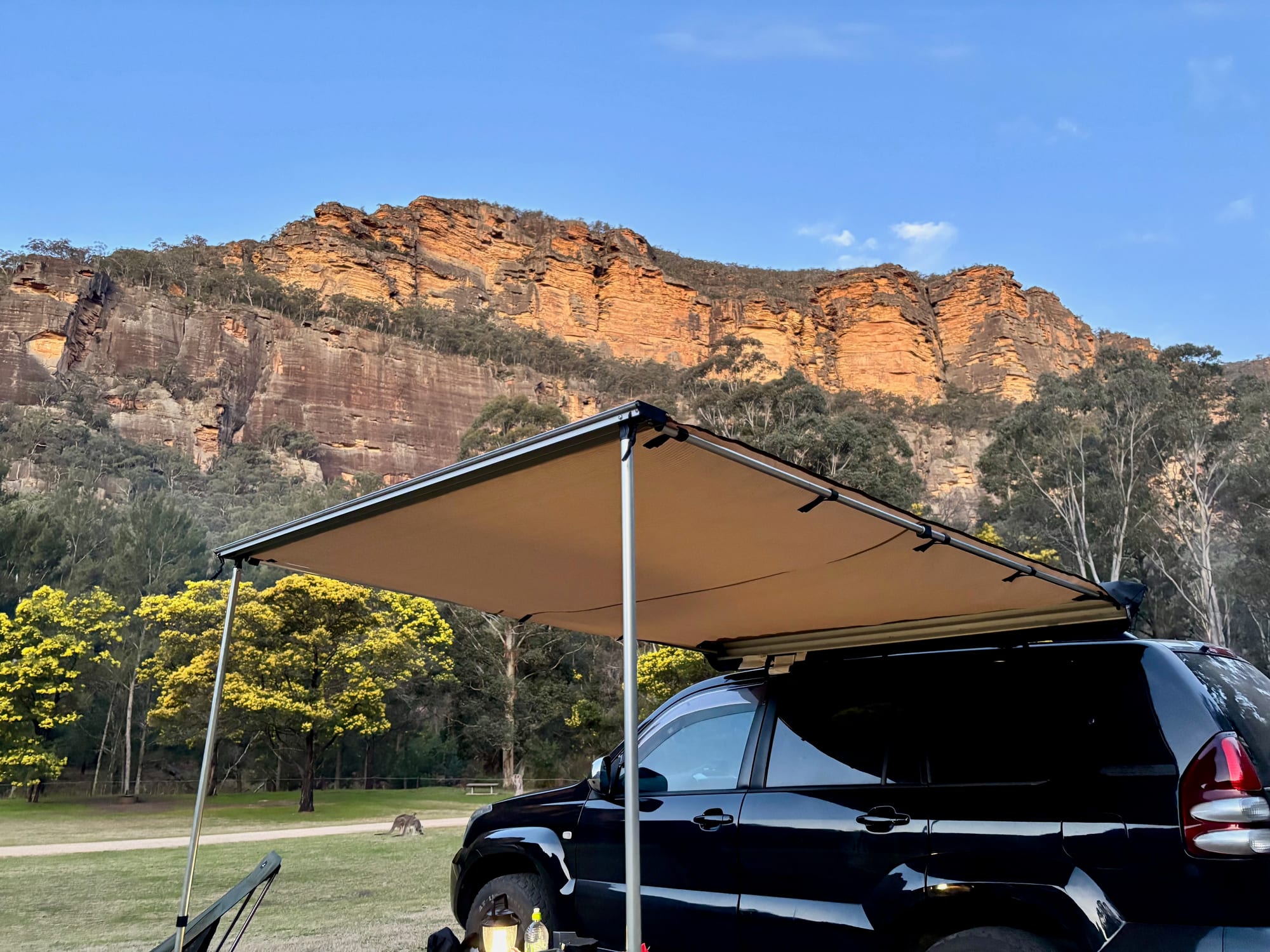
An awning on the side of the vehicle gives you shade and shelter in a couple of minutes, which makes lunch stops and rainy afternoons much more comfortable. It needs roof racks, and it has to be packed away properly before you drive. We’ve reviewed several in our 4WD awnings section.
- Dome tent
- Cheap and versatile
- Swag
- Quick, for one or two
- Rooftop tent
- Fast, off the ground, needs racks
- Awning
- Shade in minutes, needs racks

Water
Plan on at least 5 litres per person per day for drinking, cooking and basic washing, and 7 litres in hot weather. Then carry extra, about 25% more on remote trips, because you can’t count on finding water at a bush camp: many campgrounds have no drinking water, and creek or tank water needs treating before you drink it. Spreading your water over two or three containers means a leak or a tipped container doesn’t cost you the lot, and smaller containers are easier to lift in and out of the car. Our guide on how much water you need for camping works it out for longer trips.
- Each person, each day
- At least 5 litres
- Hot weather
- 7 litres
- Remote trips
- Add 25%

Plan your first trip
Pick somewhere close for the first one. A weekend a couple of hours from home teaches you what you’re missing without much at stake. Our Blue Mountains 4WD weekend guide is a good place to start from Sydney.
Before you go
Before you leave, look up track conditions, park alerts and fire bans. Some tracks close after rain, and many national parks need a booking or permit for camping or vehicle access. Give a trusted person your route, where you’ll camp and when you’ll be back, so someone knows where to start looking if you’re overdue. Then pack with a list: a checklist catches the things that are easy to forget, and after a trip or two it shows you what you never used.
- Check
- Track conditions, park alerts, fire bans
- Book
- Camping and vehicle permits
- Tell someone
- Route, camp, return date
Maps and navigationMaps & navigation
Don’t rely on your phone alone. Mobile coverage fades fast once you leave town. Download offline maps before you go, and carry a paper map as a backup. My Prado has an old GPS unit, but these days I mostly use the phone with offline maps, and keep it charged.
For paper, a Hema Atlas & Guide covers one region with its 4WD tracks and campsites: see our guide to the Hema maps. An app like WikiCamps helps with finding campsites.
- Phone
- Offline maps, kept charged
- Paper backup
- A Hema Atlas & Guide
- Finding campsites
- An app like WikiCamps
On the track
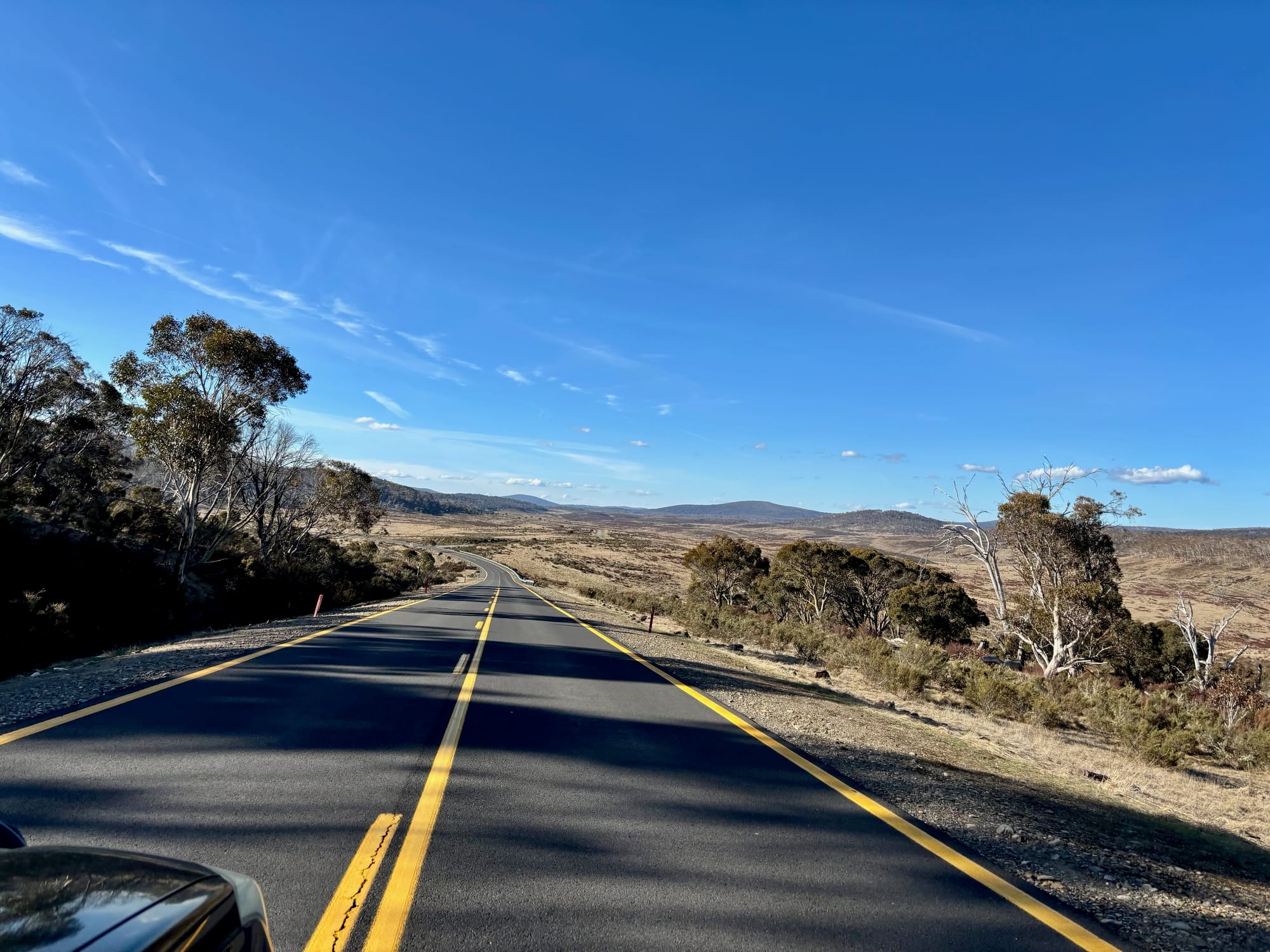
On the track, drive to the conditions. If something looks beyond you or the vehicle, there’s no shame in turning back. Where you can’t see the line through a tricky section, get out and walk it first, then take it slowly and steadily rather than charging at it. Stay on marked tracks, leave gates as you found them and take all your rubbish home.
Tools for your first trip
Our free tools do the sums for you before you leave: how much weight you can still add, your tyre pressures, how long your battery lasts, how much fuel and water to take, and what to pack.
Summary
You don’t need to buy everything at once. Start with recovery gear and tyre tools, because those keep you safe. Add a fridge, power and lights as you go, and work out what kind of bed suits you. Then pick somewhere close, tell someone where you’re going and get out there. Every trip shows you what to change for the next one.
Do's
- Do air down before sand and corrugations
- Do use rated recovery points and rated shackles
- Do carry more water than you think you need
- Do tell someone your route and return date
- Do turn back if a track looks beyond you
Don'ts
- Don’t use a tow rope for a snatch recovery
- Don’t recover off the tow ball
- Don’t rely on your phone alone for navigation