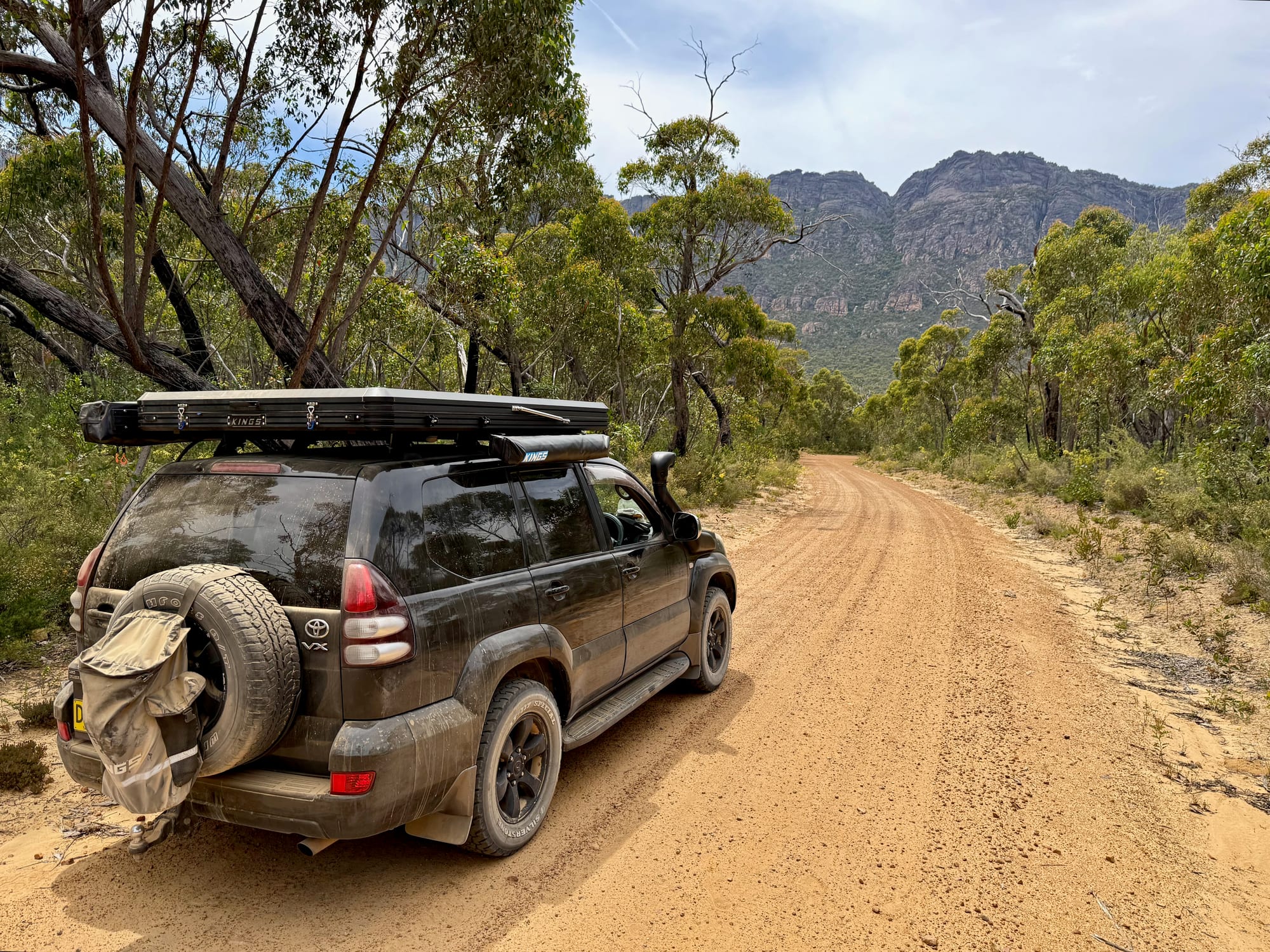
Outback camping is about being self-sufficient: towns, taps and phone signal are far apart, and in summer the days are hot. Our three-week trip took us from Sydney via the NSW outback to the Flinders Ranges and Adelaide, down via the Grampians to Melbourne, and back to Sydney through the High Country. This is the gear we packed for it, and what each piece did for us.
Fridge, power and water
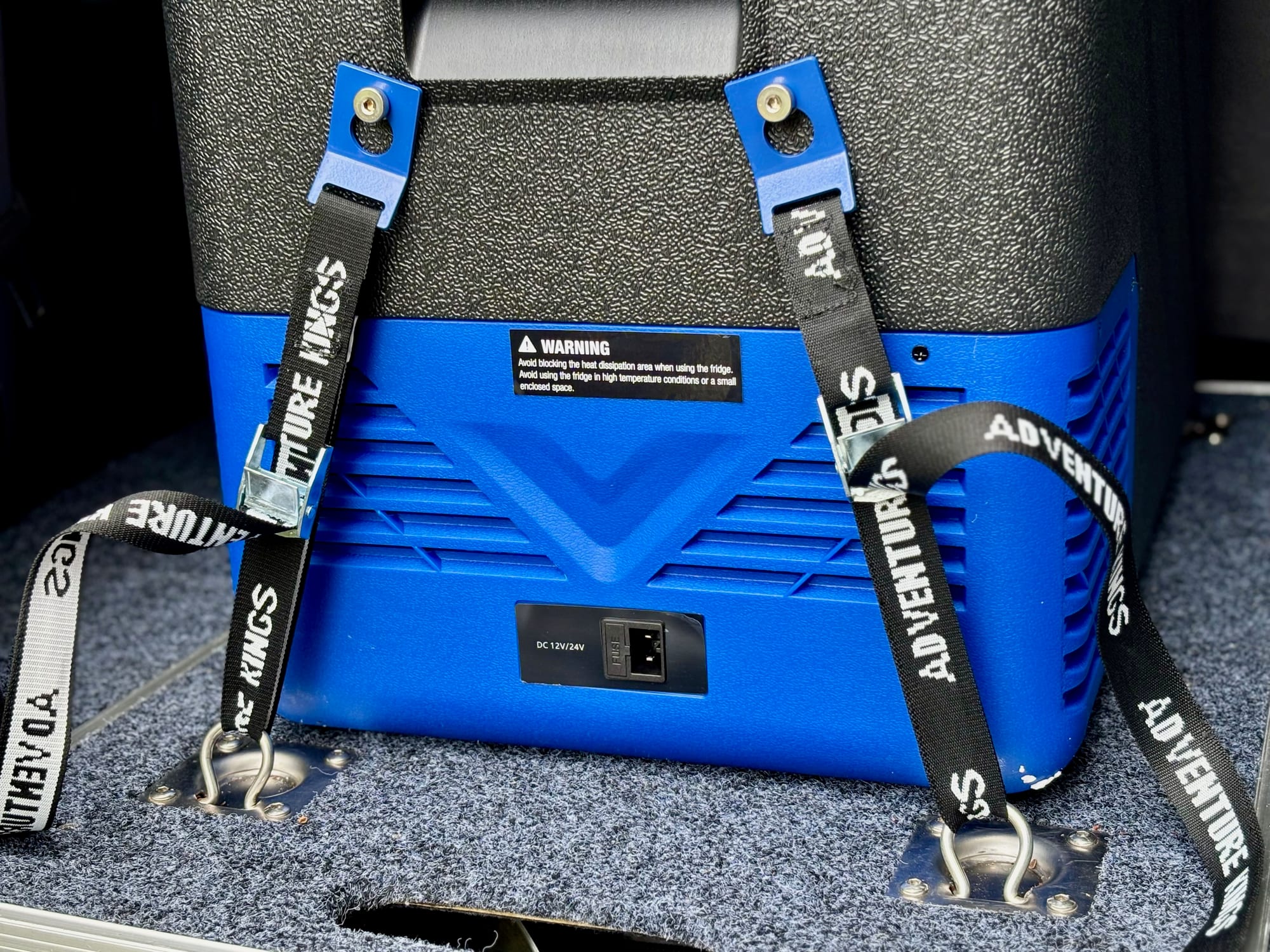
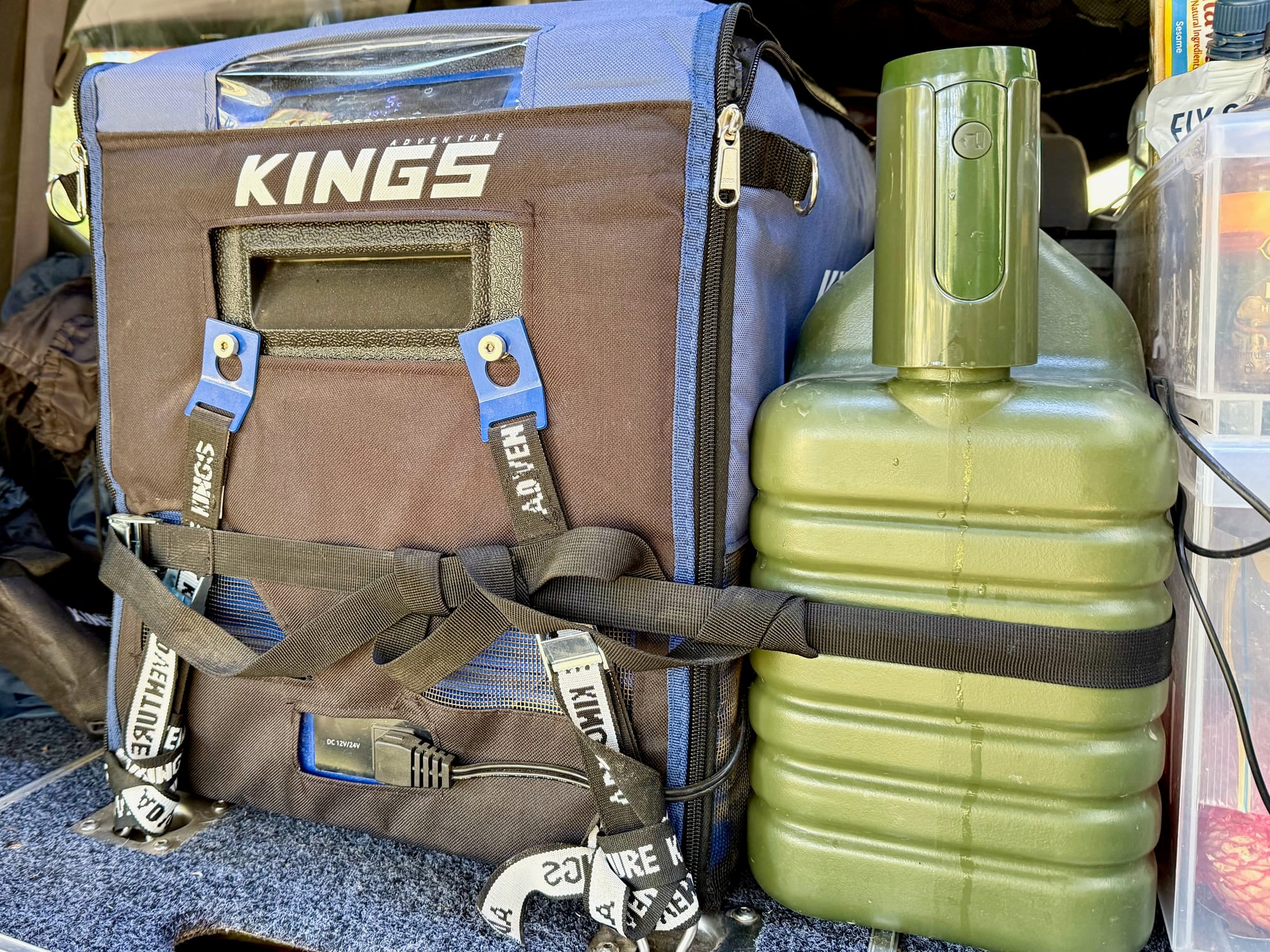
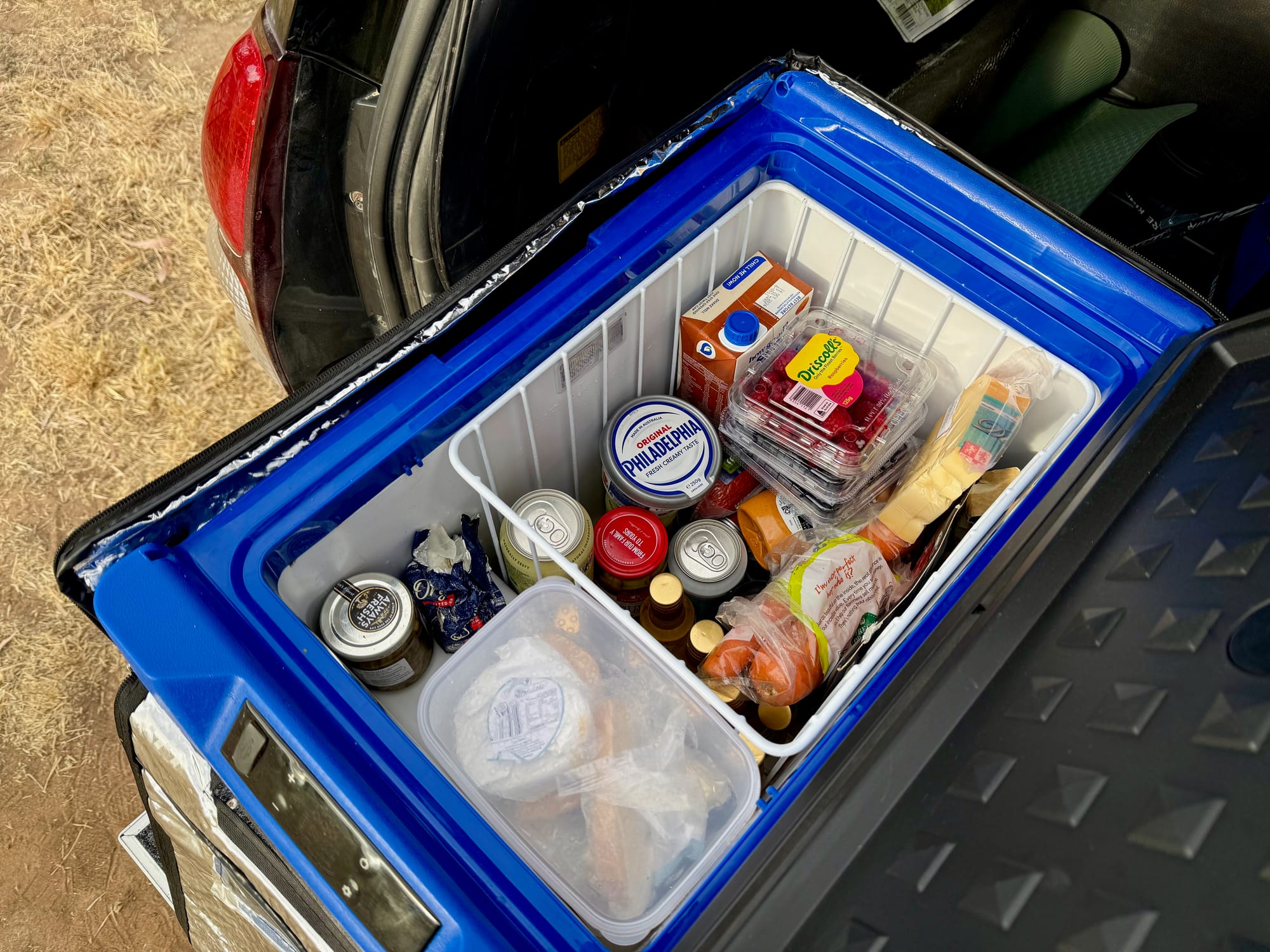
The fridge is the heart of a long trip, because fresh food is what makes three weeks on the road feel easy. Our Kings 40L fridge was packed to the brim the whole way, and in over 40 °C heat in the NSW outback it kept going with zero issues. It runs from our Kings BatBlock battery box (review to come), which the solar panel on our rooftop tent keeps topped up while we drive.
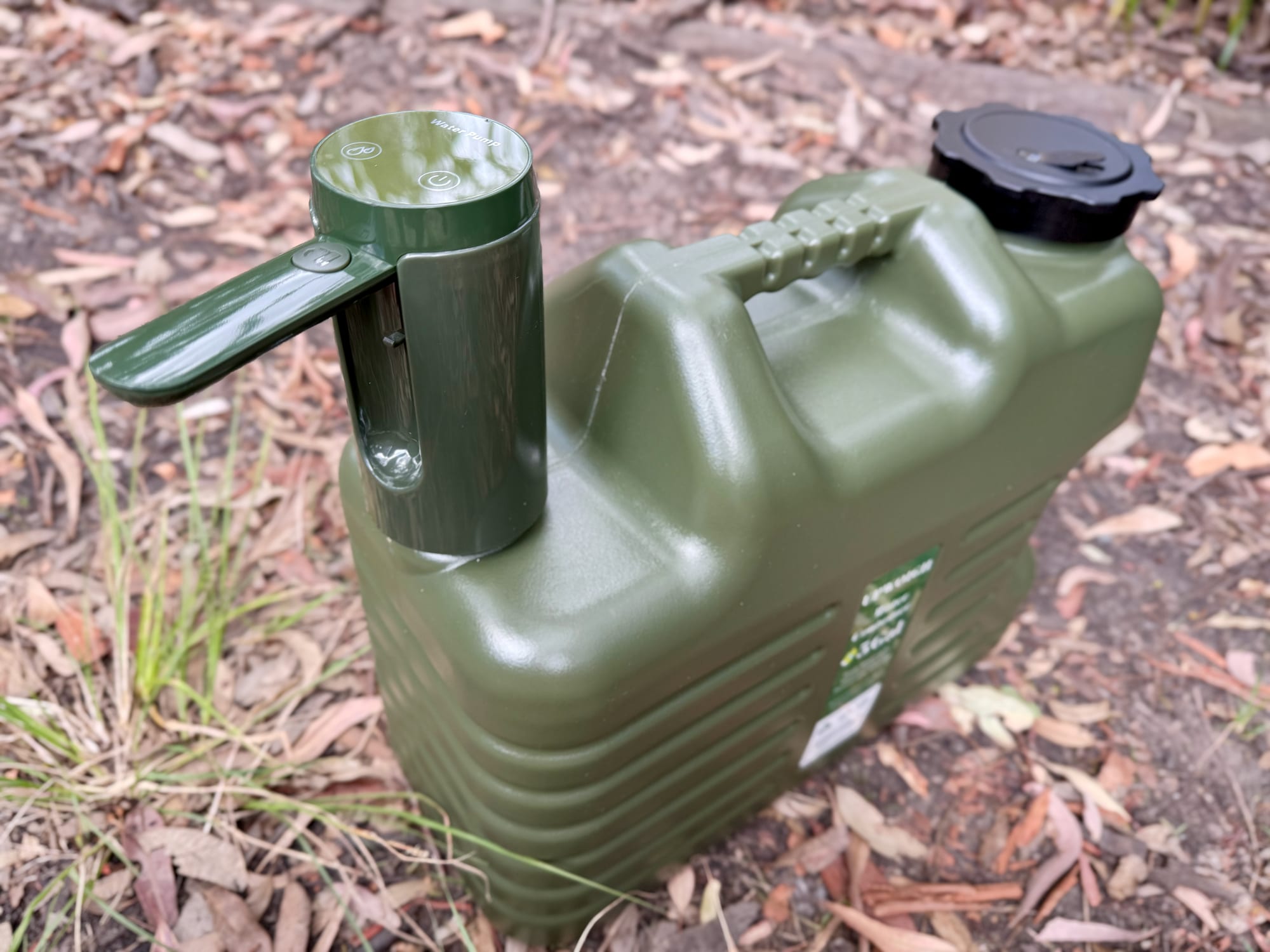
Water is the other thing you can’t run out of, and the best addition on this trip was the Upwoigh 19L water container with its electric pump. Strapped to the fridge in the back of the car, it gives you running water with one tap on the touch button, which made cooking and brushing our teeth at the back of the car in the evening feel almost like home. Over three weeks of constant use we only had to recharge the pump two or three times.
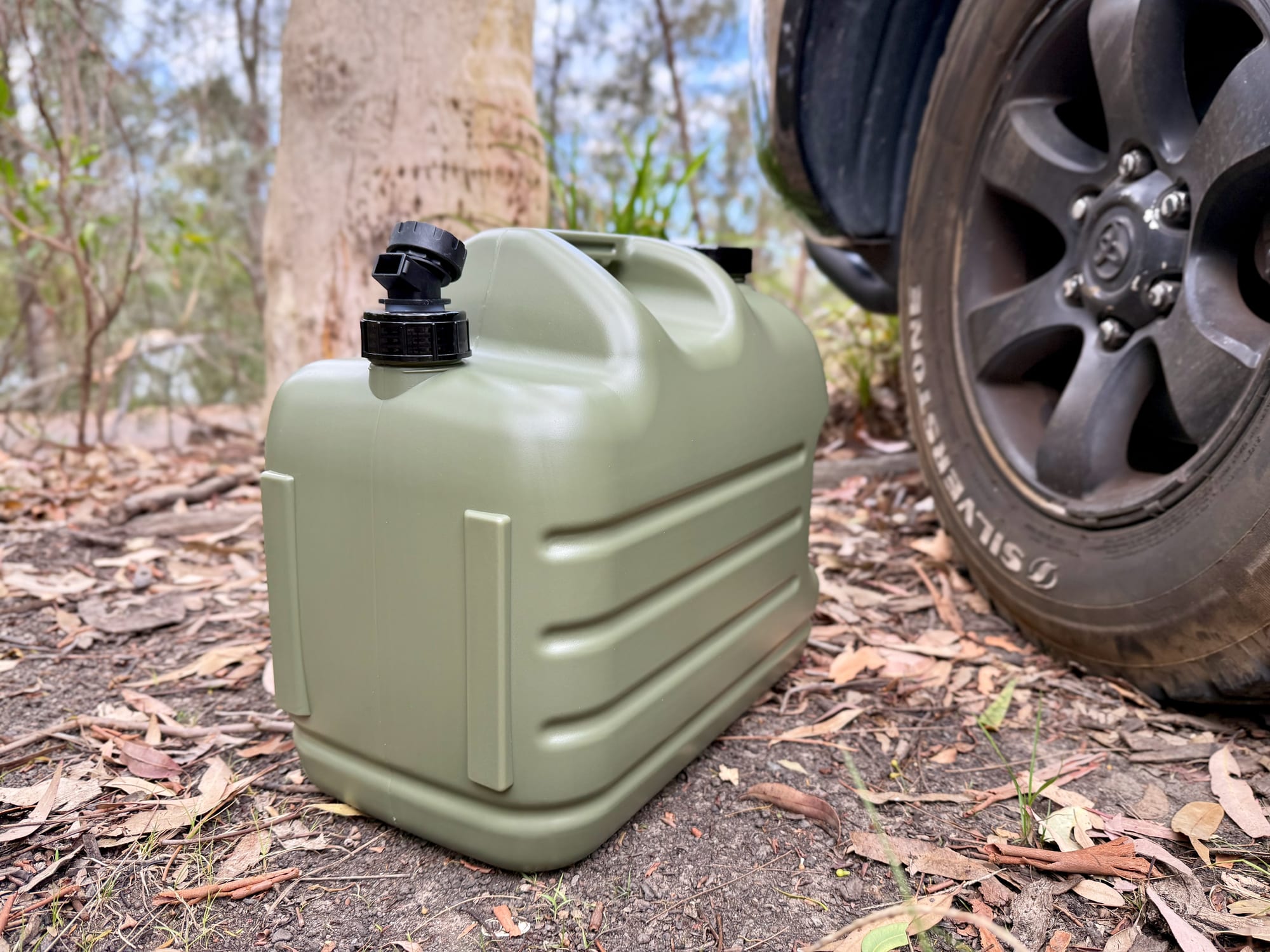
For extra water we took the larger Weisshorn 25L water container instead of our two 12 litre containers, on the floor behind the front seats, for 25 litres of fresh water on the more remote tracks in the NSW outback and the Flinders Ranges, where taps are far apart.
Sleeping and evenings
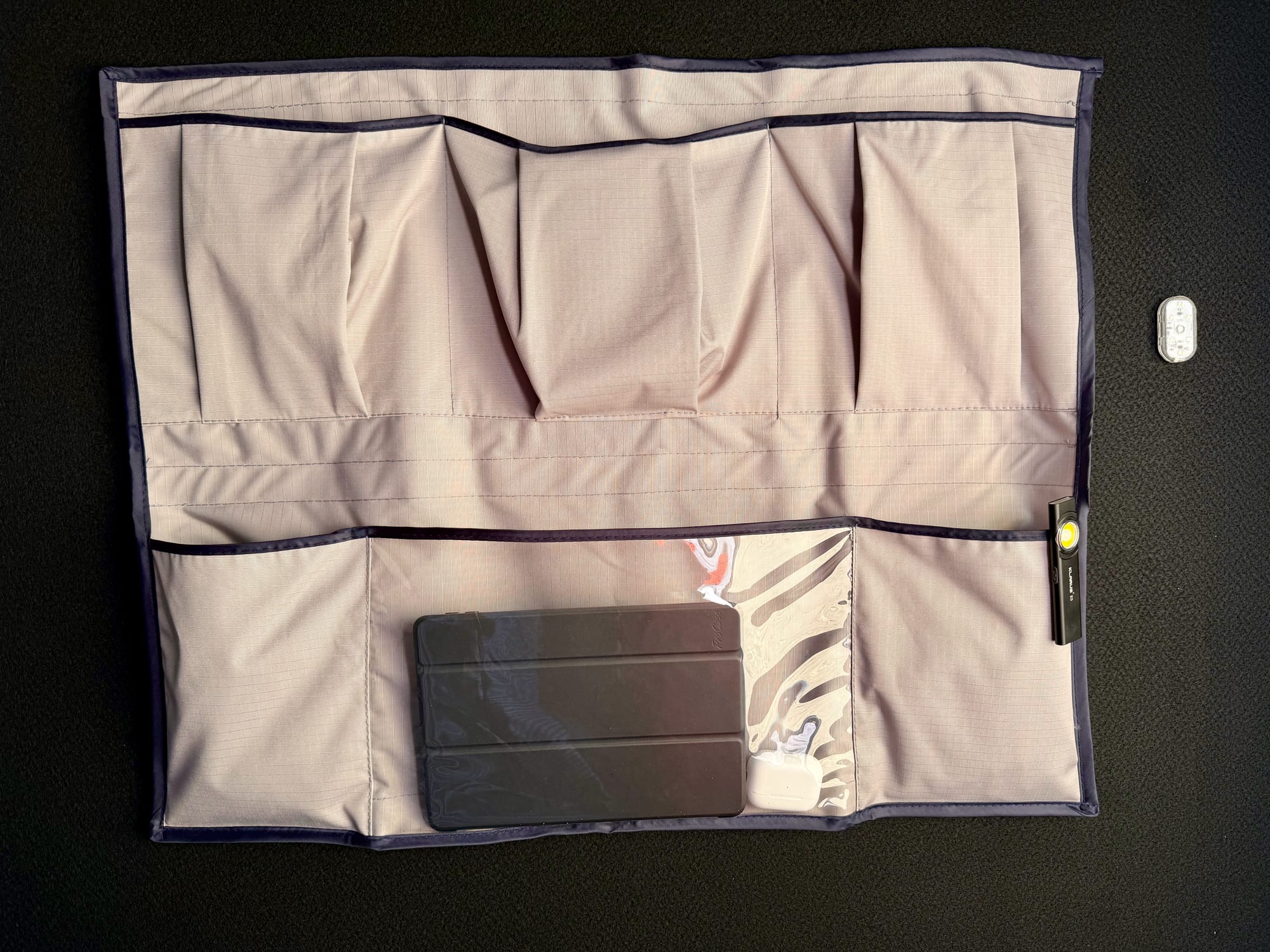
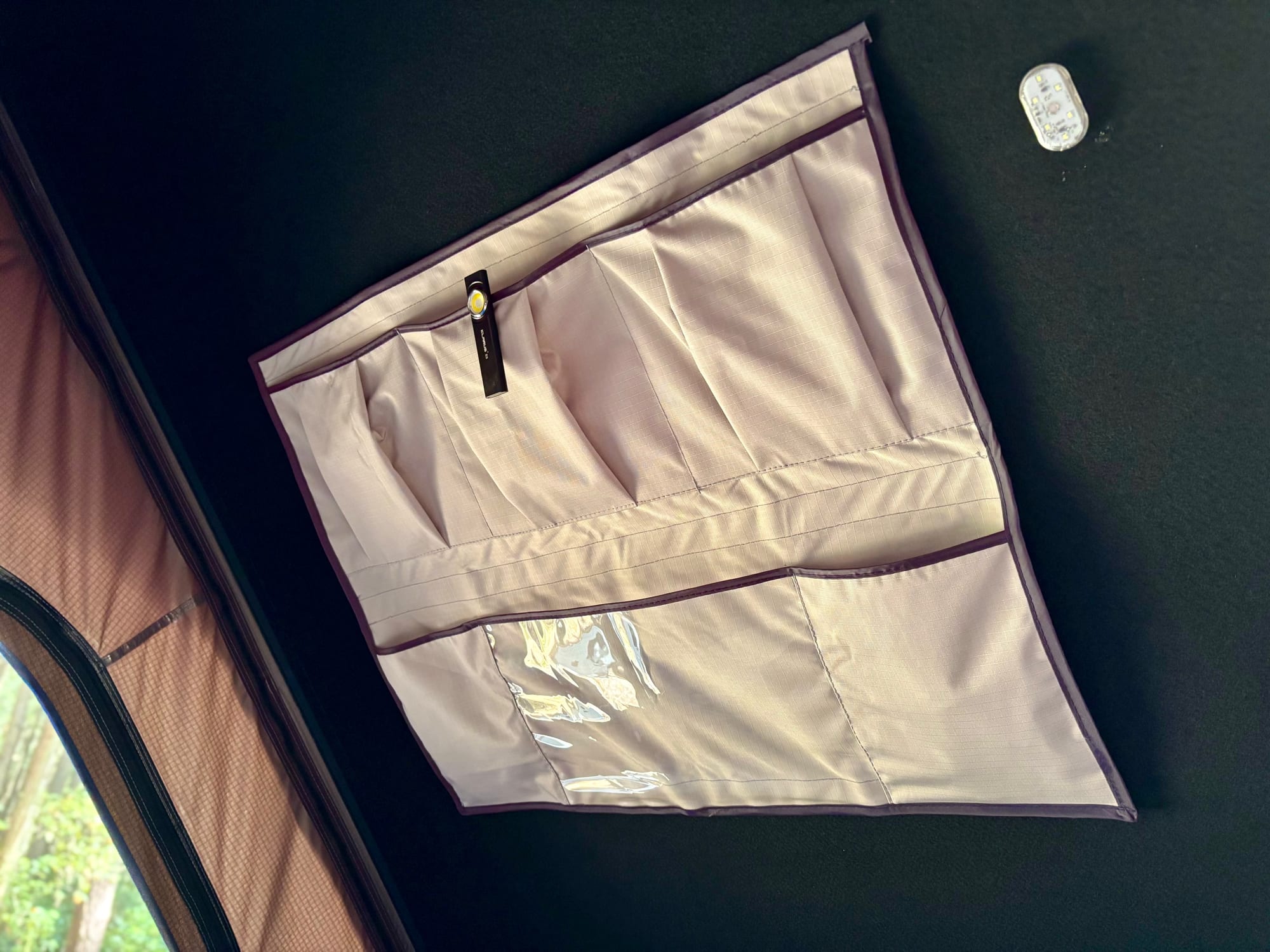
We sleep in our Kings Grand Tourer Lite rooftop tent. It sets up in about 25 seconds, so packing up and moving on is quick, and it keeps us off the ground. Up on the ceiling we have the Kings internal storage pocket: its clear pocket takes a tablet of up to 13 inches, so we can lie back and watch a movie at night after a long day of driving.

Hot days and a shower
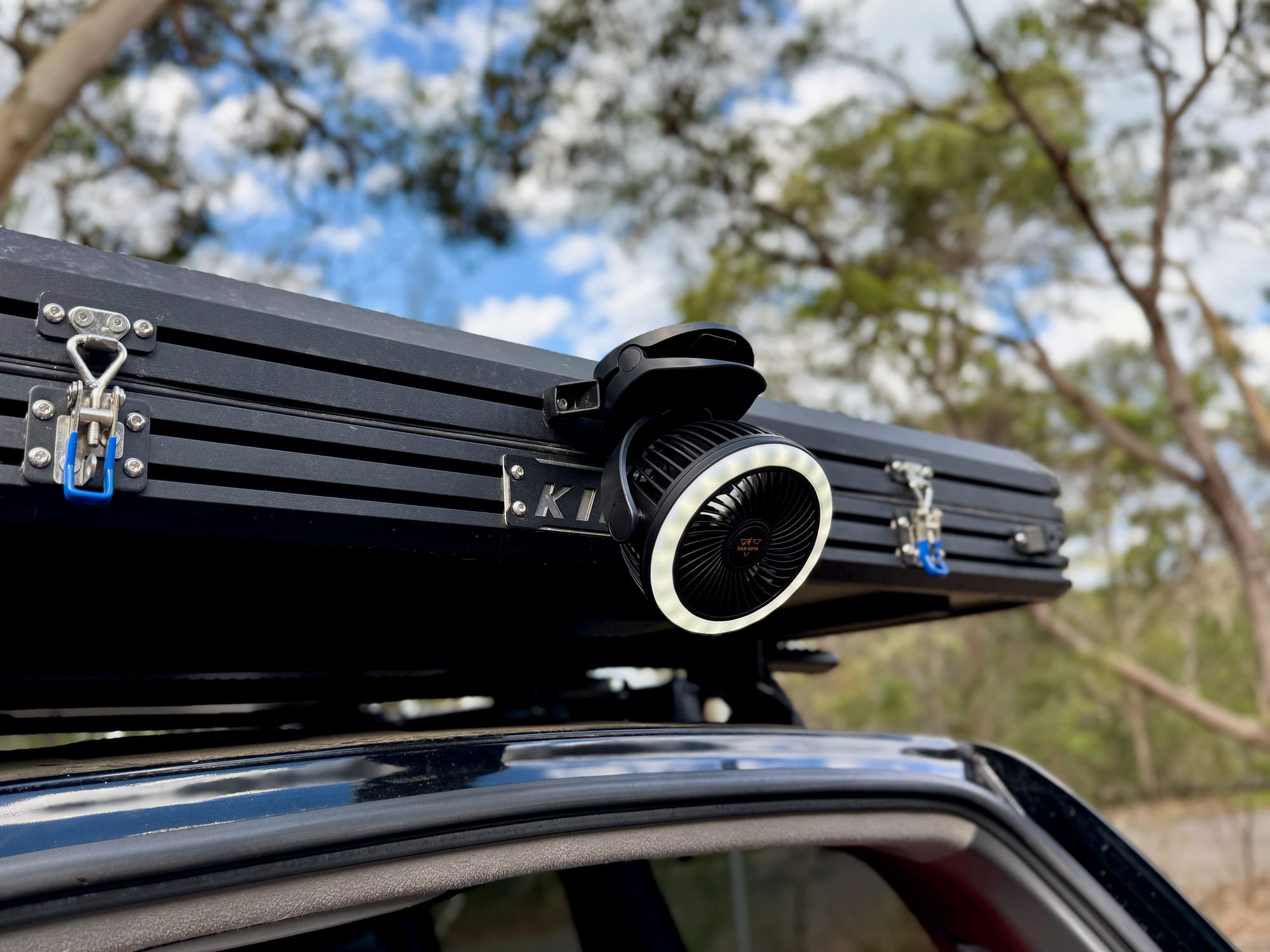
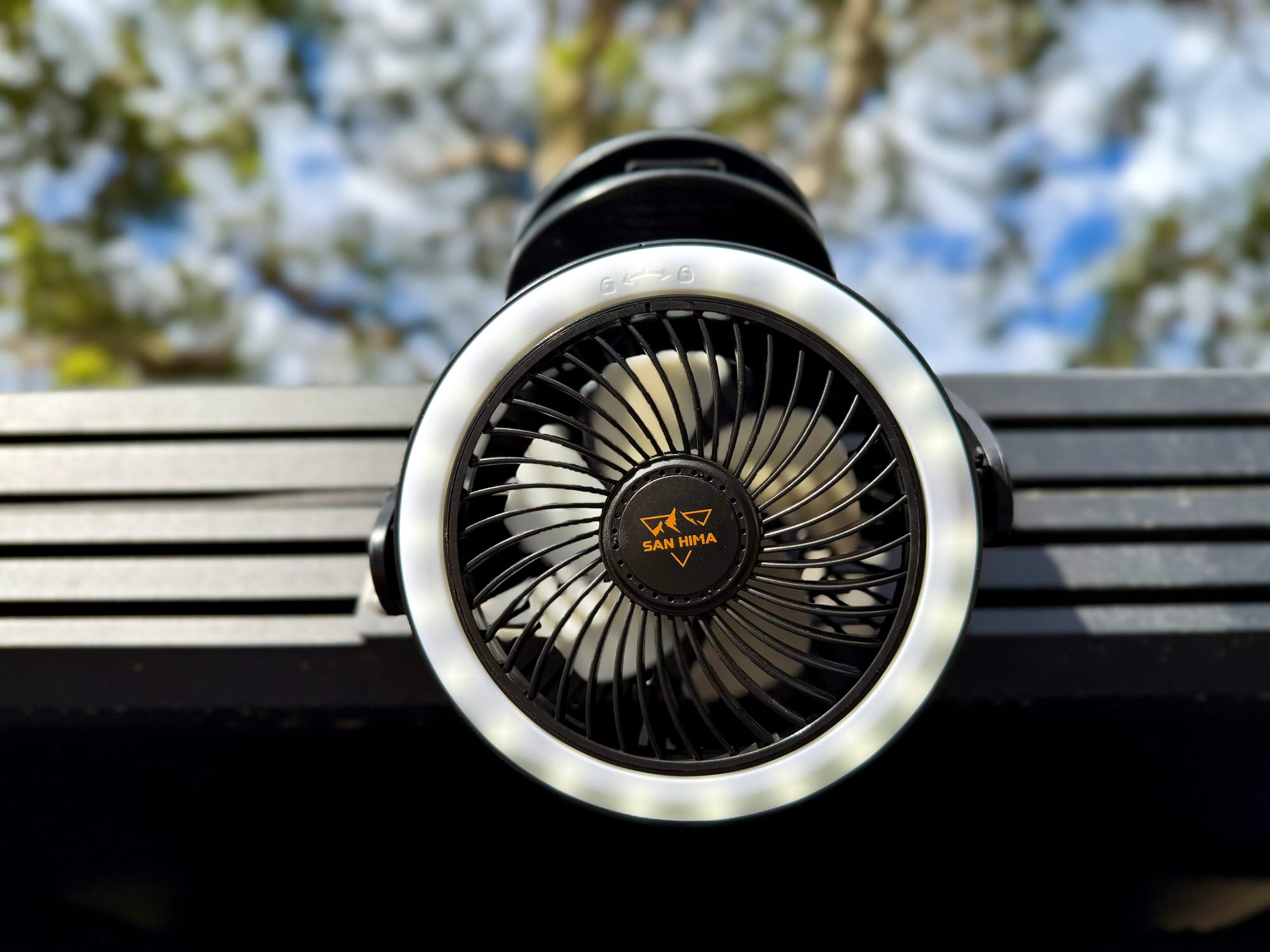
Outback afternoons get hot, and a little moving air makes a big difference. Our San Hima clip fan clamps onto the back of the rooftop tent or a branch, so we can cool down while we cook or sit, and it has an LED light for the evening.
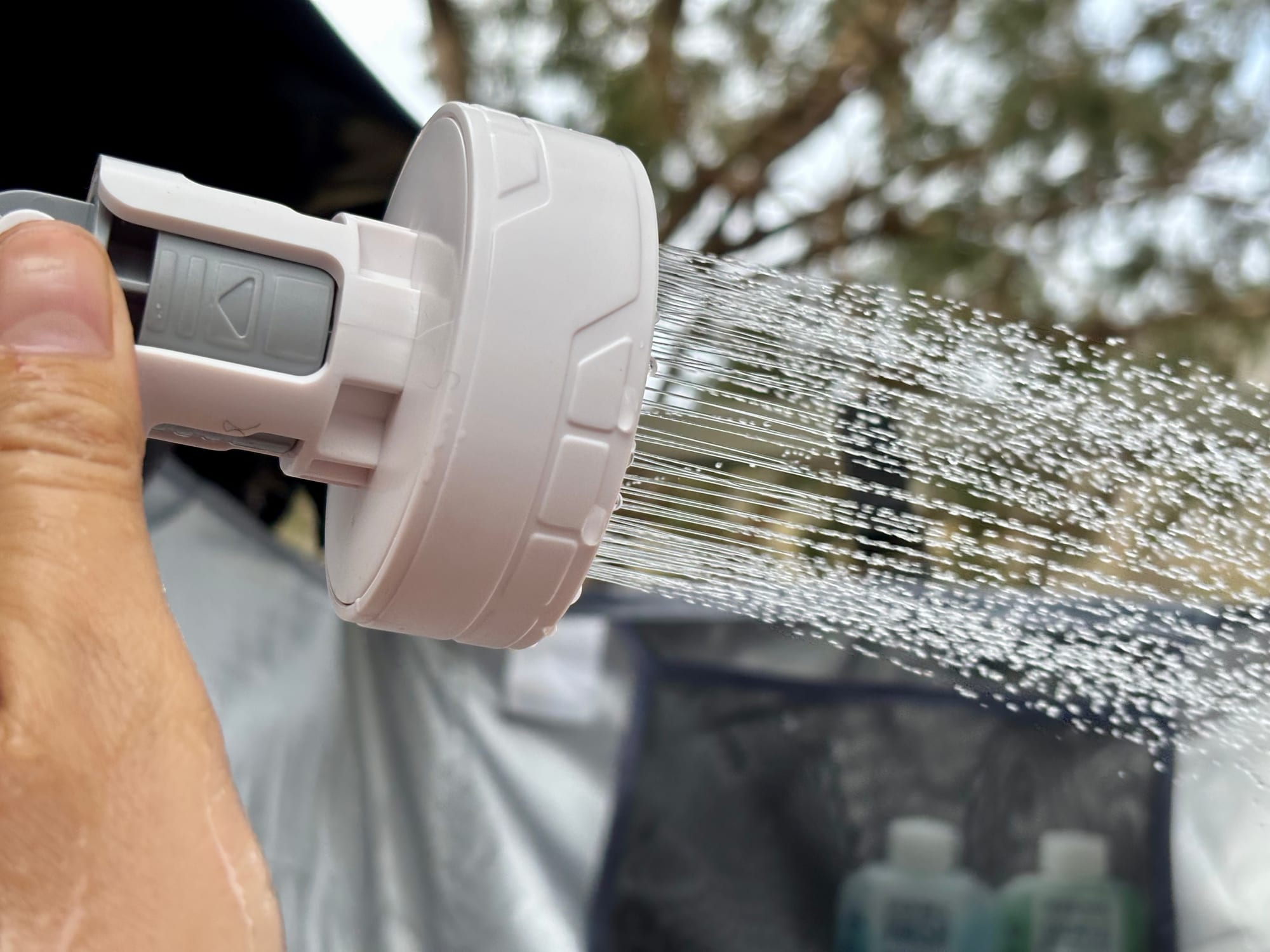
Plenty of bush camps have no showers, so we take the FlexTail Max shower: a rechargeable pump that goes into a jerry can or a bucket and turns it into a shower. It doesn’t heat the water, but on a hot day that’s no problem.
Camp kitchen
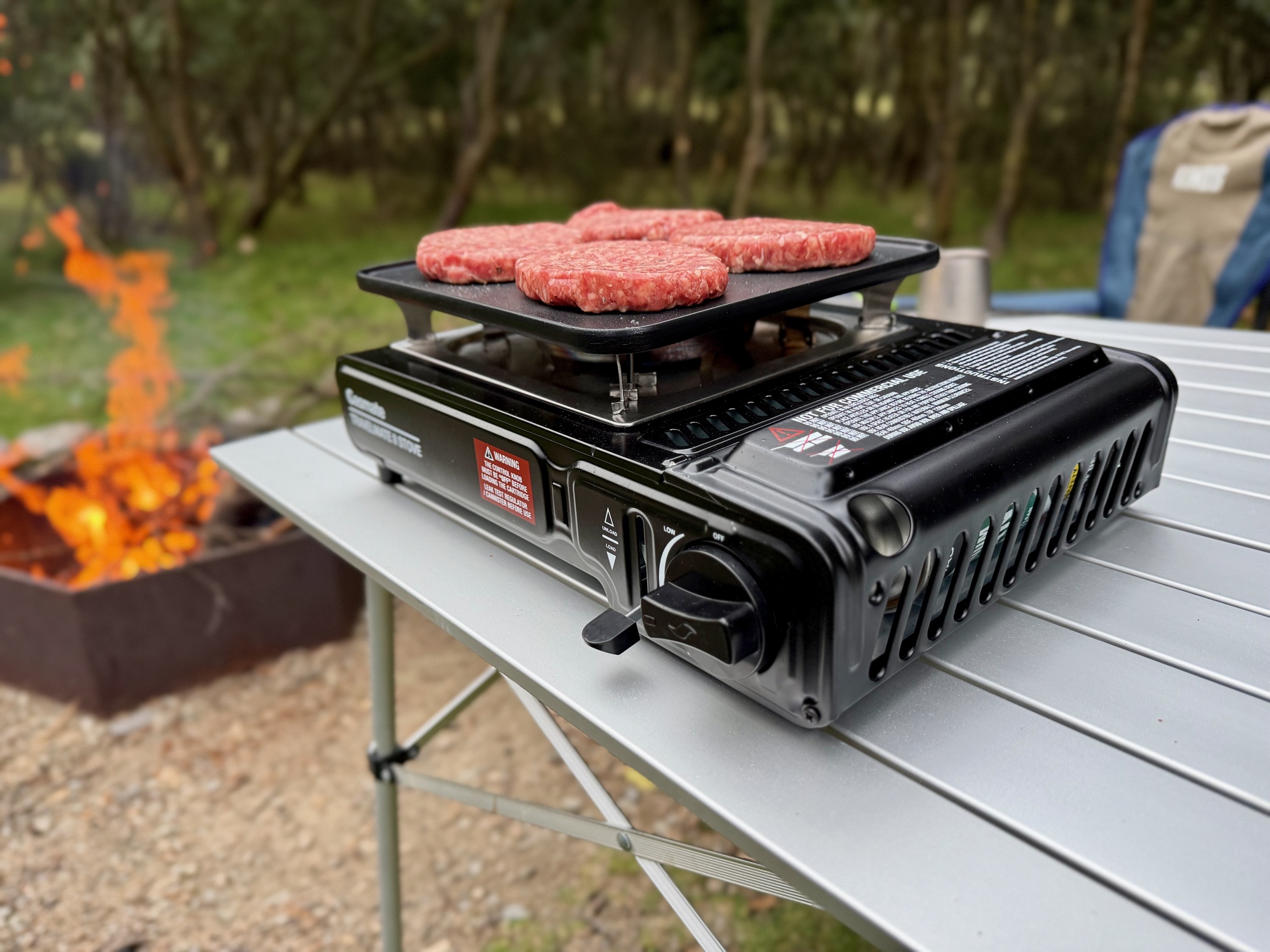
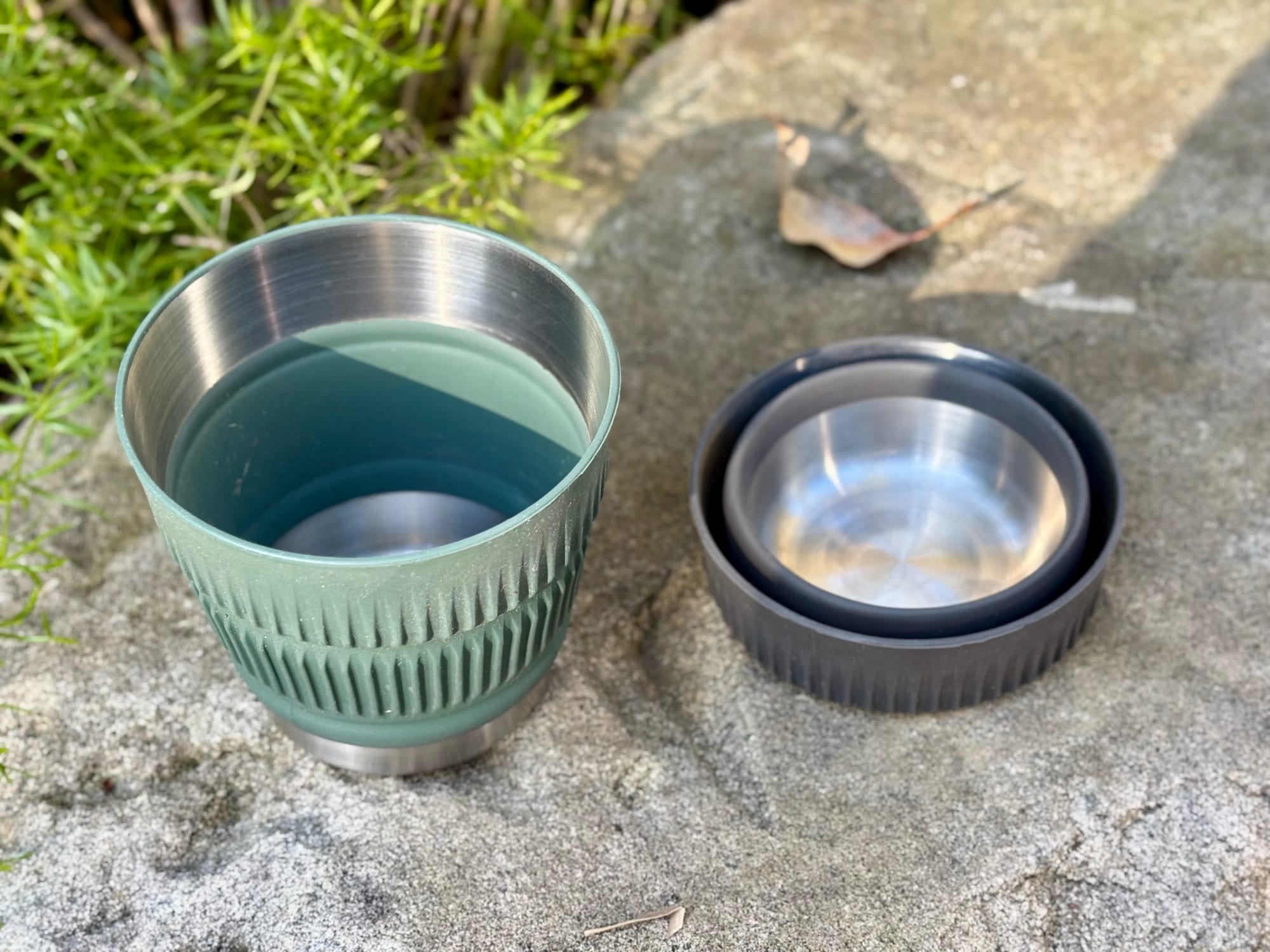
Three weeks of cooking calls for gear that’s sturdy and packs small. We cook on the Gasmate Travelmate II, a butane stove with a hotplate for grilling meat and toasting buns, which packs into its own carry case. We bought the Sea to Summit Detour Pan and Detour Pot for this trip: a 10 inch stainless steel frying pan with a handle that folds away, and a 1.8 L pot that collapses flat and nests inside it, so the two take almost no room in a full car. We used the pan for almost every meal and the pot every morning for coffee water, and in the windy, exposed spots a folding windshield kept the flame going. For coffee and drinks we take our Sea to Summit collapsible mugs, like the Detour with its stainless steel inside, which fold down flat between stops.
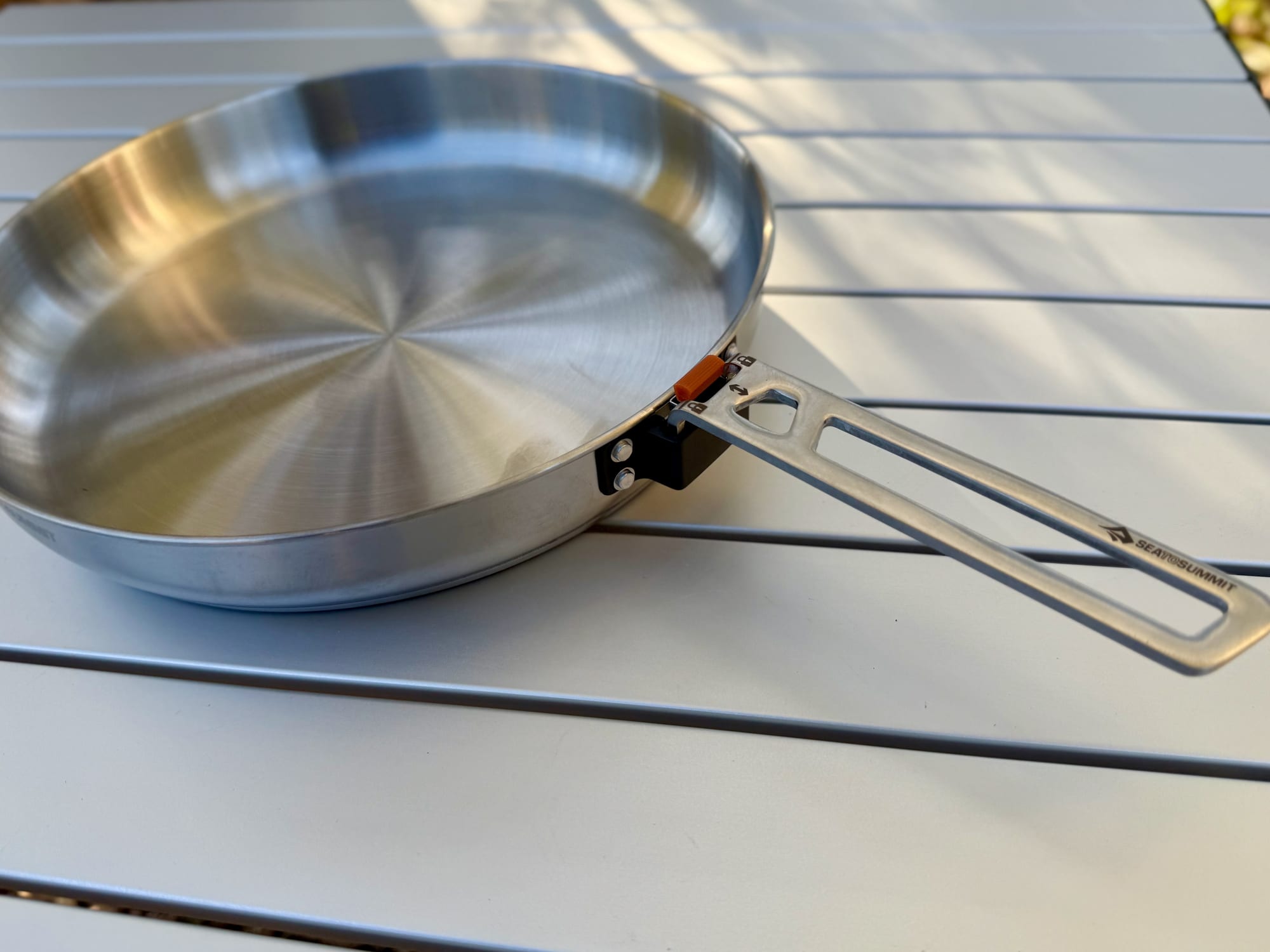
Sea to Summit Detour Stainless Steel Pan 10 Inch
Scored 9.5 out of 10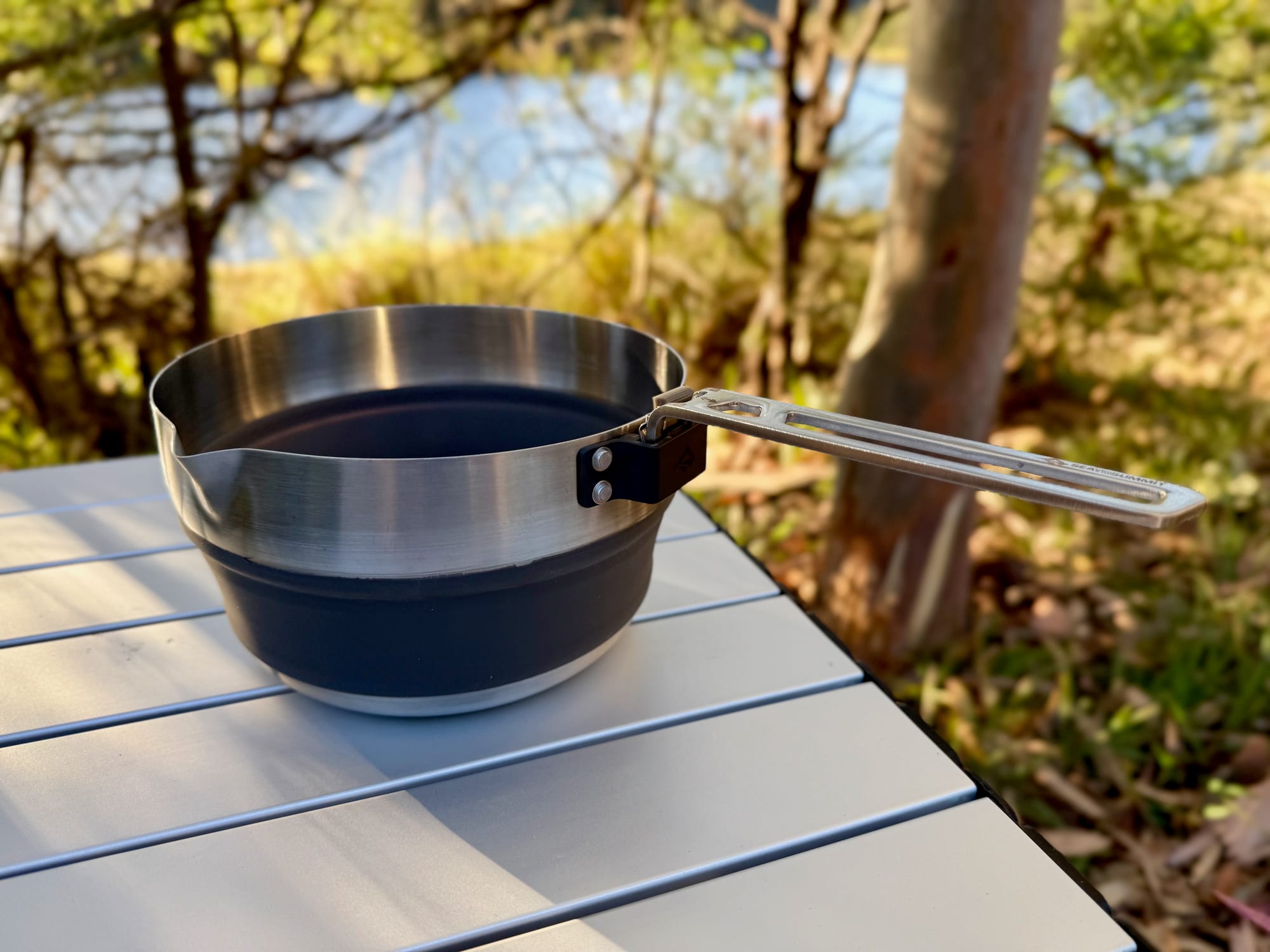
Storage
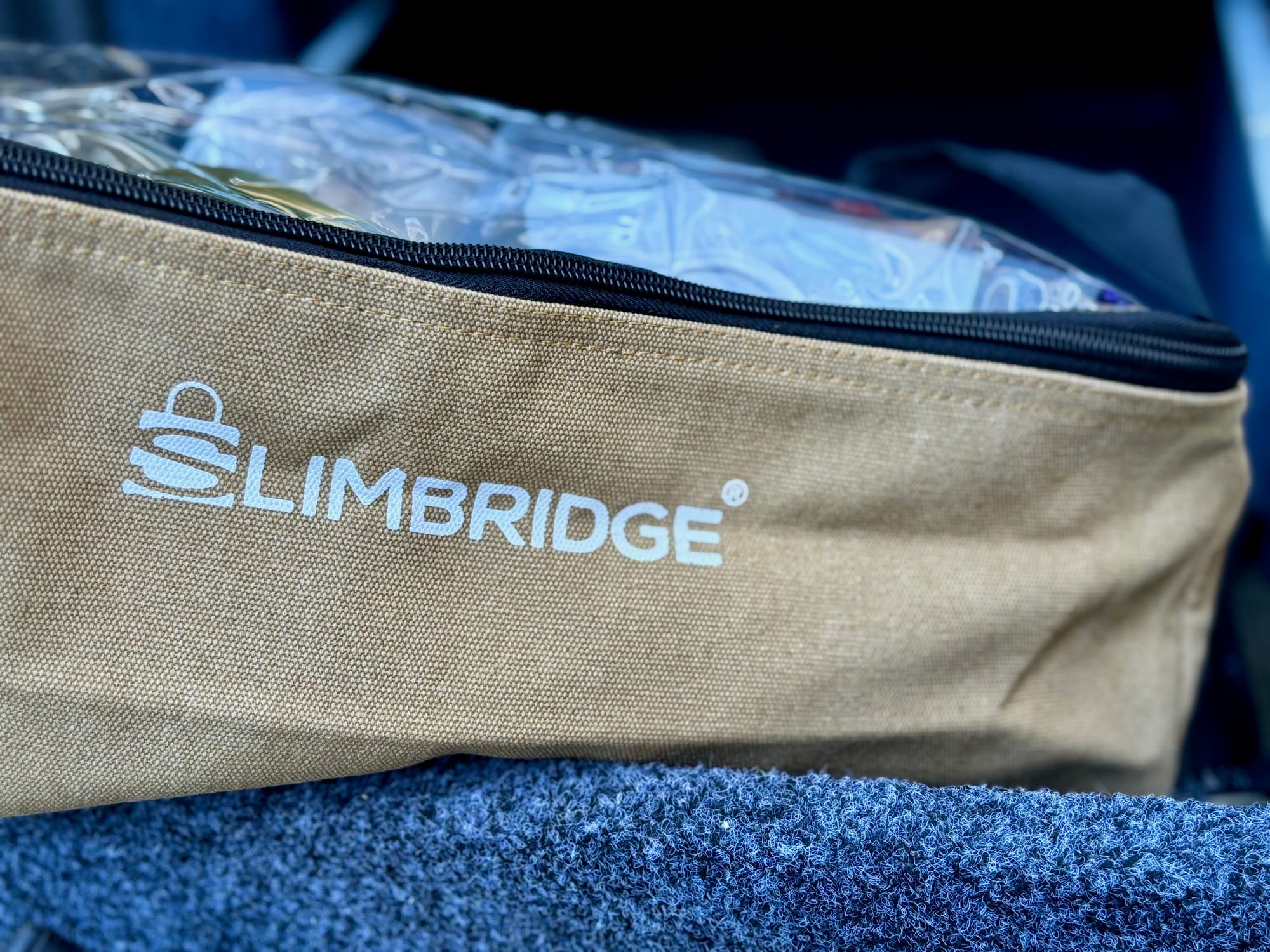
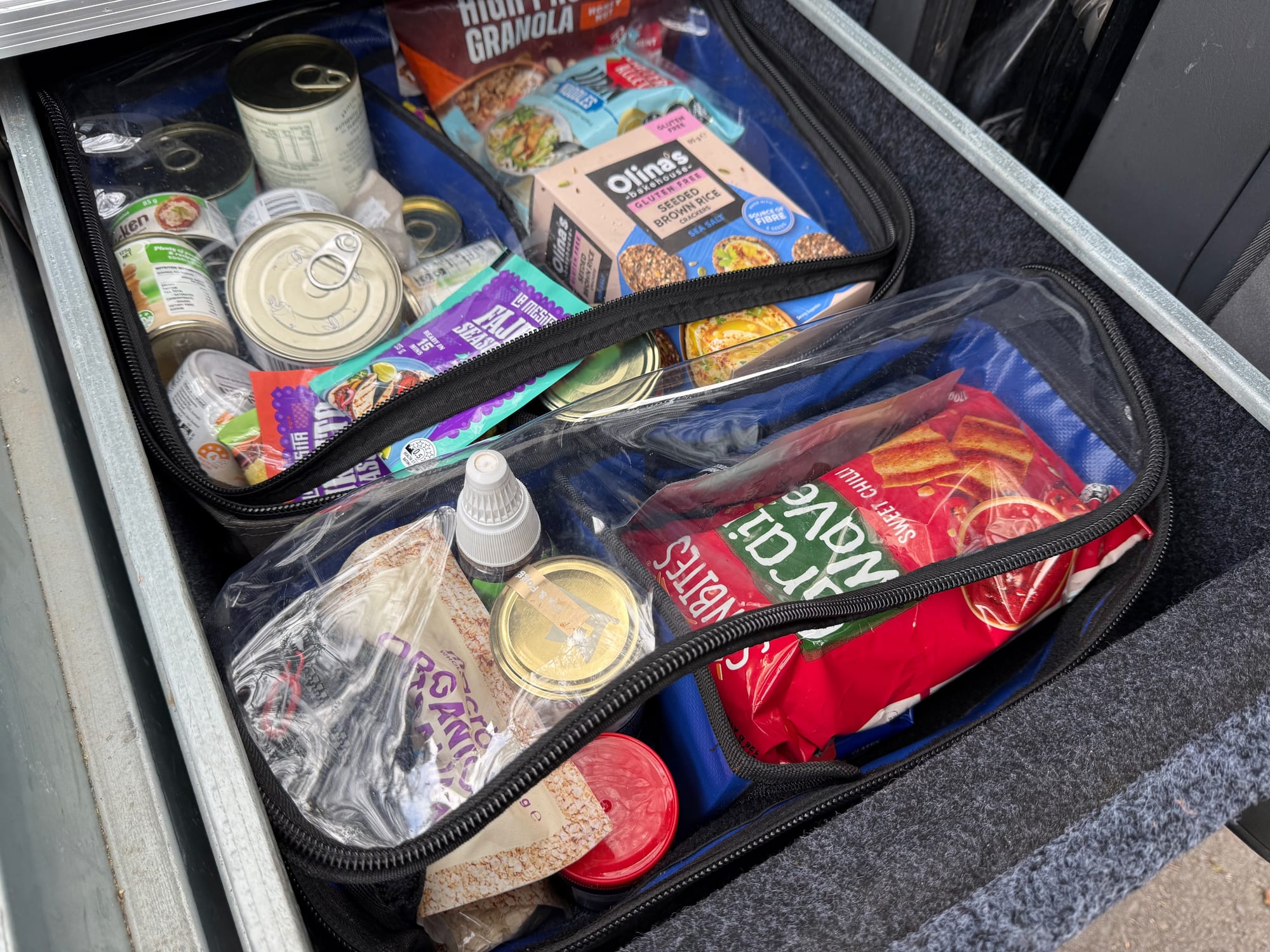
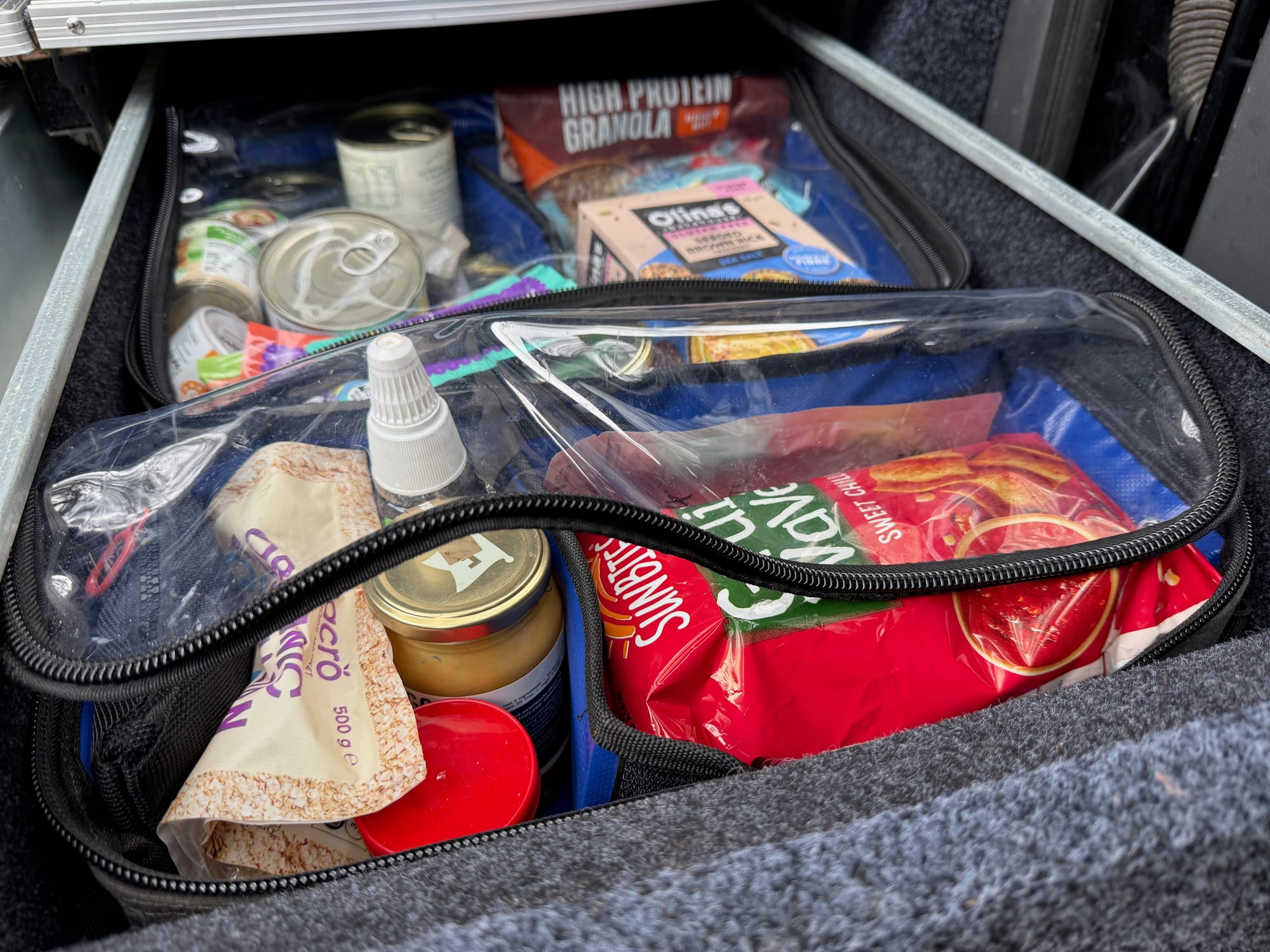
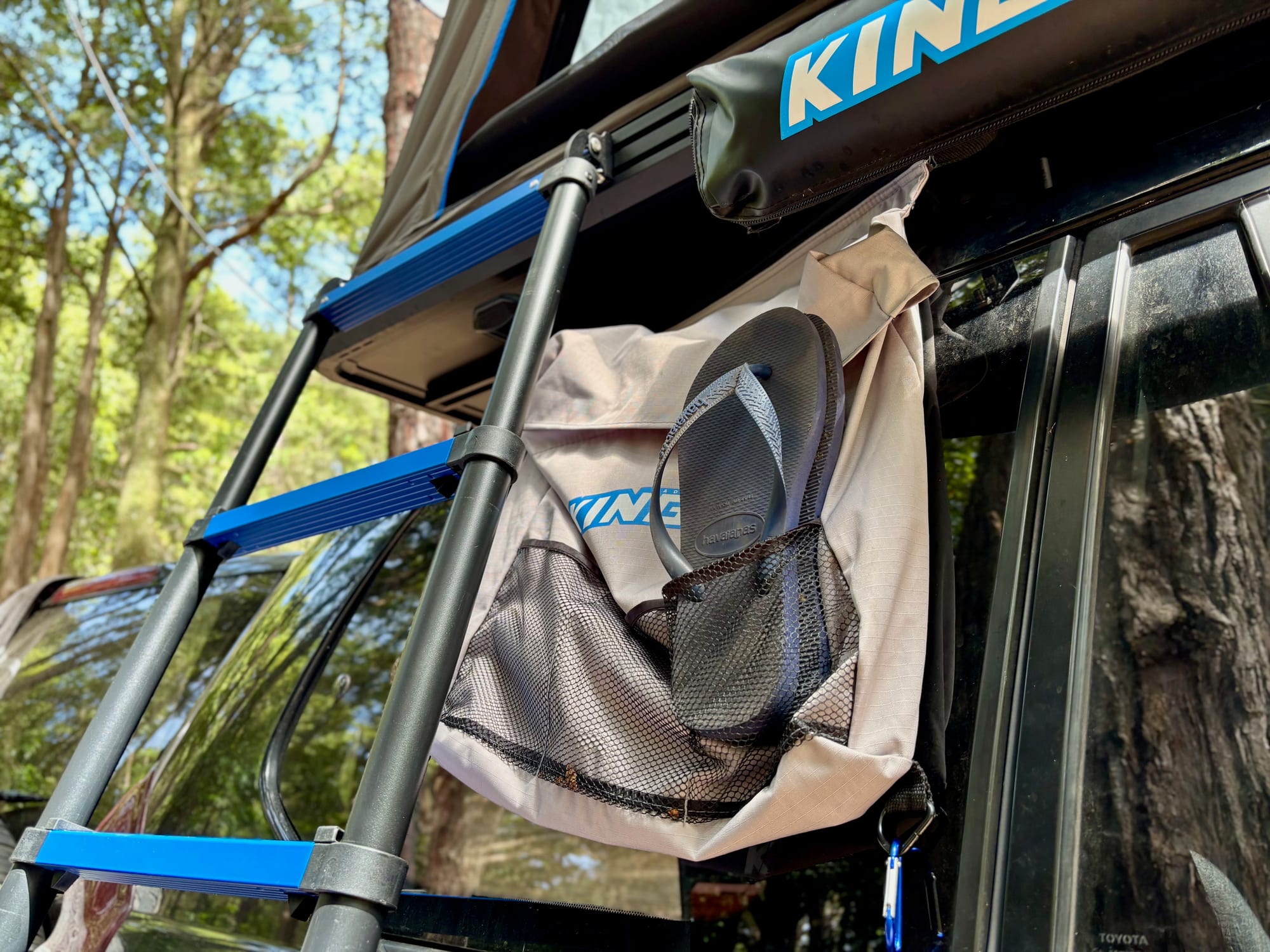
Three weeks of gear only stays sorted if everything has a place. In the drawers in the back of the Prado, our food and small gear go in Kings Plus clear top bags: padded canvas bags with a clear lid, so we can see what’s in each one without unzipping it, and a wipe-clean lining for when something leaks. At the foot of the rooftop tent ladder we hang a Kings Universal Storage Bag in the sail track and put our shoes in it before we climb in, so they stay dry and free of creatures overnight.
Maps
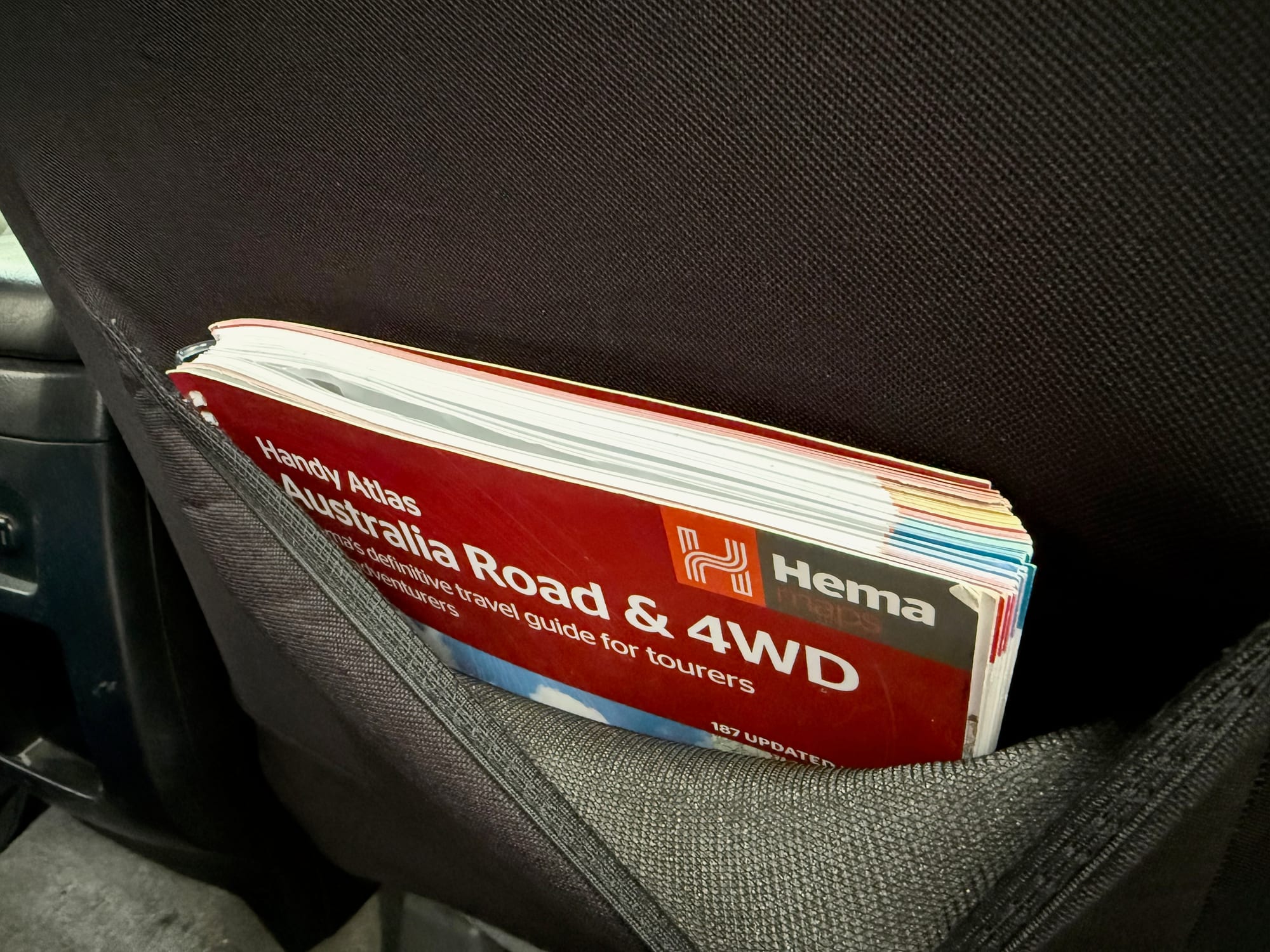
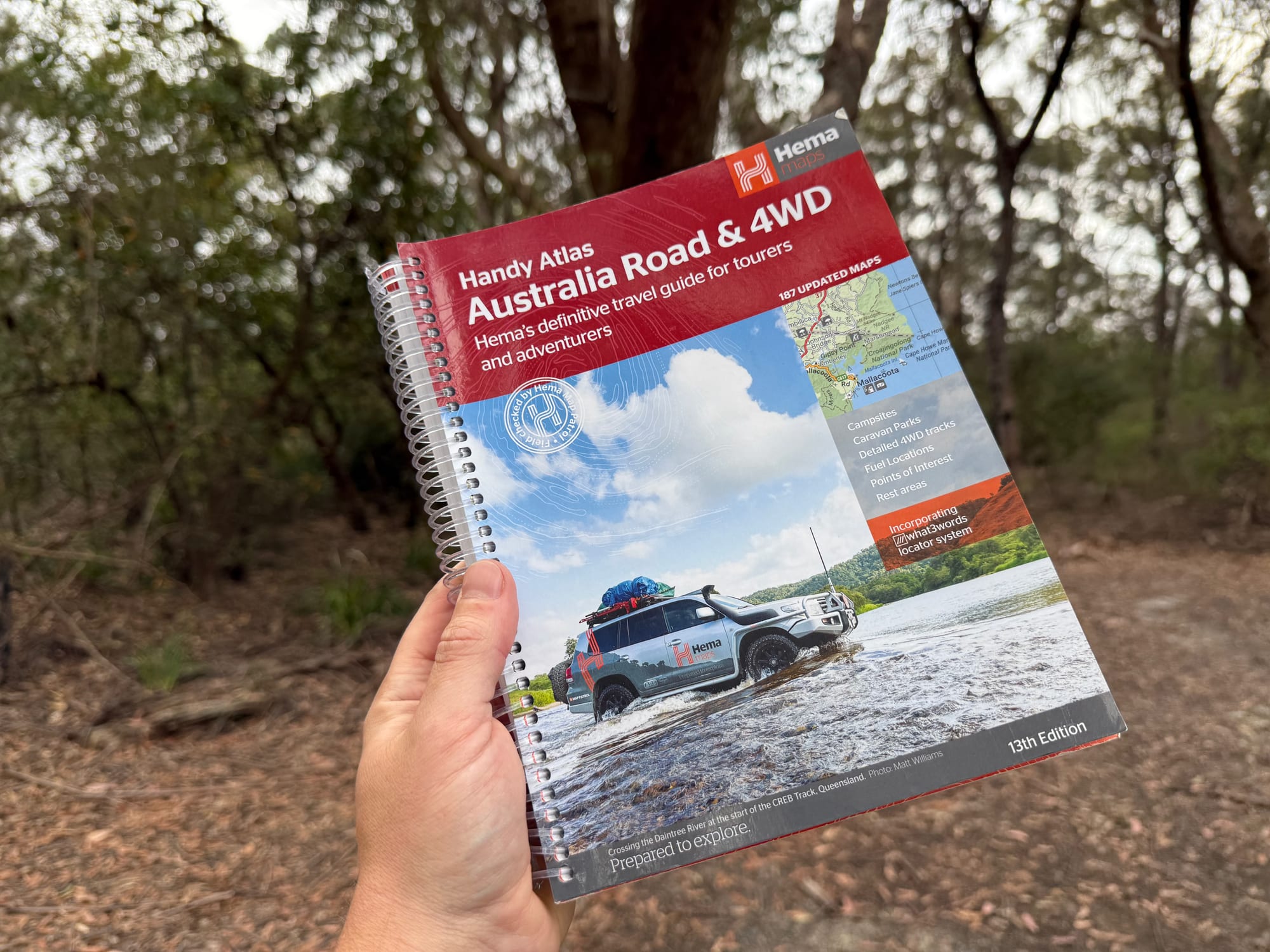
Out there, phone signal comes and goes, so a paper atlas is a good backup to the phone. Our Hema Australia Road & 4WD Handy Atlas covers the whole route in one 744 g book that lives in the seat-back pocket, with campsites, rest areas, fuel and 4WD tracks marked. For the regions you’ll explore in depth, Hema’s Atlas & Guides have larger-scale maps and track notes: our guide to Hema maps explains which is which.
Before you go
For a full packing list to tick off, including the smaller things like first aid, tools and spares, use our camping checklist, which has extra lists for 4WD and remote trips. If this is your first big trip, our 4WD for beginners guide covers the vehicle, recovery gear and tyres.
ToolCamping ChecklistOpen tool